First Legal Non-Stamp Silencer Transfer Completed Over 30 Days Ago
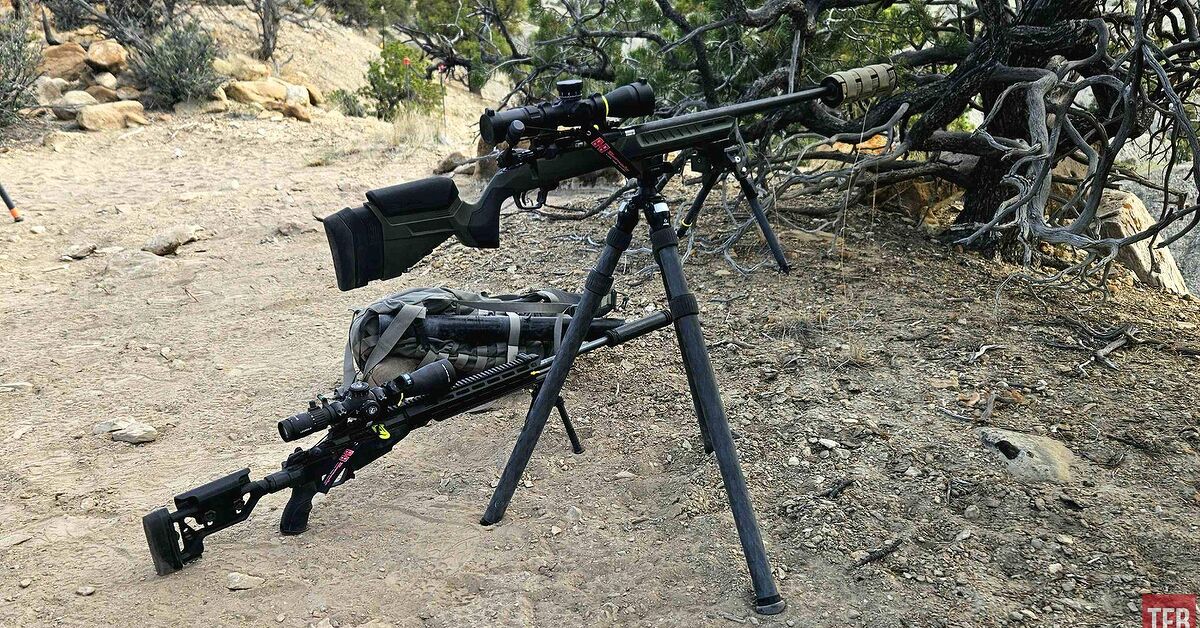
Gun owners are buying suppressors on standard Form 4473 without federal tax stamps. The shift breaks three decades of NFA Form 4 requirements and $200 stamp fees. Yankee Hill Machine released the Victra 20-gauge suppressor directly into this emerging market. More than one month has passed since the first legal transfer occurred, and adoption is accelerating across compliant states.
Why It Matters for Gun Owners
The practical advantage is immediate and substantial. Suppressors purchased via Form 4473 skip the $200 federal tax, months of ATF wait times, and fingerprint card requirements. Gun owners walk out same-day with functional silencers in jurisdictions that permit it. For daily carriers running suppressed duty weapons or competition shooters minimizing sound signature, this eliminates major friction from the acquisition process.
Real risk exists despite the upside. No court has definitively ruled that non-stamp transfers satisfy federal law. The ATF has not formally approved the practice across all jurisdictions. If challenged, owners could face retroactive liability or worse. Federal prosecutors maintain discretion to prosecute these transfers as illegal NFA violations. The legal foundation looks solid in states where courts struck down suppressor regulations as unconstitutional post-Bruen, but that protection does not extend uniformly.
Buyers in red states should verify state law compliance before purchase. Prudent carriers should document transfer details and retain receipts proving legality in their purchase jurisdiction. Do not assume nationwide acceptance. The ATF's official position remains unchanged: suppressors are regulated firearm parts requiring Form 4 applications, tax stamps, and federal approval unless court-ordered otherwise in specific circuits.
The Transition Creates Market Opportunity and Legal Exposure
Yankee Hill Machine's timing reflects calculated market positioning. The Victra 20-gauge suppressor hits dealers as Form 4473 transfers gain traction. Manufacturers recognize that suppressor demand will shift toward states permitting stamp-free sales. This creates competitive pressure on the traditional Form 4 market, where buyers endured 6-12 month delays routinely.
The ATF gap is the core issue. Post-Bruen rulings struck down unconstitutional suppressor bans in multiple jurisdictions. Courts found that NFA restrictions violated Second Amendment rights as interpreted by Bruen's text-and-history standard. However, these rulings apply narrowly to the specific courts and states involved. The ATF has not acquiesced nationally. The agency continues processing Form 4 applications as if NFA requirements remain valid.
Gun owners operating across state lines face heightened exposure. A suppressor purchased legally on Form 4473 in Texas could trigger federal prosecution in California, regardless of the purchase location. Interstate carry of non-stamped suppressors violates federal law in states where courts have not prohibited NFA enforcement. Carriers must treat suppressor legality as jurisdiction-specific, not portable.
DownRange Bottom Line
Form 4473 suppressor transfers represent real opportunity for gun owners in compliant states—same-day acquisition without stamps, fees, or federal delays. The practice is legally defensible where courts ruled NFA suppressor restrictions unconstitutional. That protection does not extend everywhere. Verify your state and local law before buying. Document the transfer. Keep receipts. Understand that the ATF's position has not changed and federal prosecutors retain discretion to challenge these transactions. The smart play: purchase suppressors where courts have explicitly prohibited NFA enforcement, and do not assume that legality travels.