Arizona Gun Club Sells Suppressors for $17.76 Each, Zero NFA Red Tape
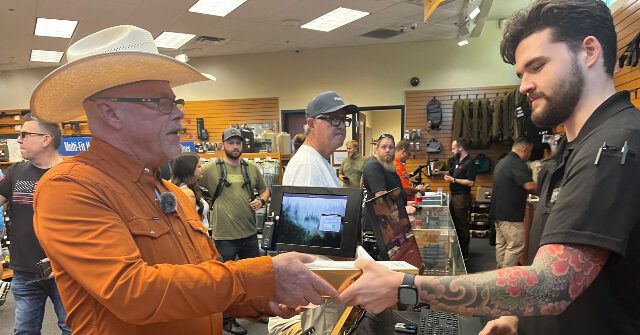
Scottsdale Gun Club sold suppressors to Maricopa County Sheriff Jerry Sheridan and Pinal County Sheriff Mark Lamb for $17.76 each on August 15, 2026, with no National Firearms Act registration required. The transaction marks a practical rejection of decades-old federal suppressor control protocols that once demanded $200 tax stamps, months of processing, and permanent registration with the ATF.
Key Details
- Price point: $17.76 per suppressor — a symbolic figure referencing the American Revolution
- Buyers: Two sitting Arizona sheriffs conducting the transaction publicly
- Registration requirement: None — no NFA forms filed, no tax stamp processed, no ATF database entry
- Date: August 15, 2026
Why It Matters for Gun Owners
For decades, suppressors occupied legal limbo. The 1934 National Firearms Act classified them as Title II firearms, requiring $200 federal tax stamps, extensive paperwork, and a months-long waiting period just to own a sound moderator on your rifle. That regulatory framework is now effectively defunct in Arizona. Gun owners in the state can now acquire suppressors without federal registration or tax burden—a seismic shift from the pre-Bruen environment. The public nature of this transaction, involving law enforcement, signals that Arizona officials see no legal basis for enforcing suppressor restrictions. Anyone purchasing a suppressor in Arizona should understand their state's current legal position has fundamentally changed.
DownRange Analysis
This sale reflects the post-Bruen collapse of NFA suppressor restrictions. The Supreme Court's New York State Rifle & Pistol Association v. Bruen decision eliminated the two-part test that justified broad gun regulations without historical precedent. Suppressors weren't regulated under the original 1934 NFA; that framework was added as policy, not constitutional requirement. Modern courts applying Bruen's historical test have struck down suppressor registration requirements across multiple states. Arizona's inaction—or explicit refusal to prosecute suppressor sales without registration—indicates the state recognizes these restrictions cannot survive judicial scrutiny. Gun owners should monitor whether federal enforcement continues unilaterally or whether the ATF formally adjusts its position. Until then, state-level compliance varies sharply.