NRA, FPC, SAF Challenge Maryland's Glock Pistol Ban in Federal Court
Three major gun rights organizations filed a federal lawsuit Wednesday against Maryland's prohibition on Glock and Glock-style pistols. The National Rifle Association, Firearms Policy Coalition, and Second Amendment Foundation argue the state law violates the Second Amendment rights of millions of lawful gun owners.
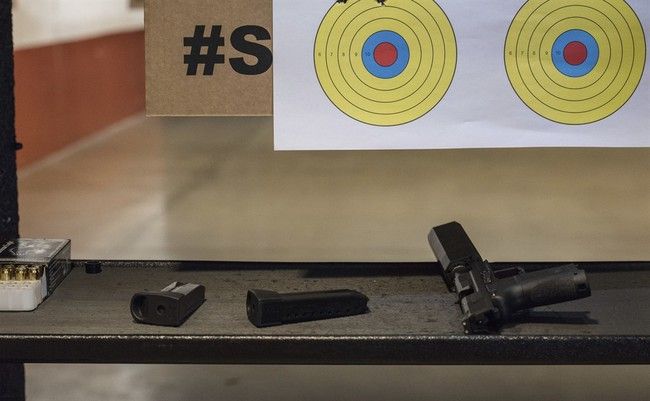
Maryland's handgun ban specifically targets semi-automatic pistols—primarily Glock models and functionally identical designs. The statute restricts one of America's most popular self-defense platforms. Glock pistols dominate concealed carry, law enforcement, and home defense markets across the country. The state's sweeping restriction makes ownership, sale, and transfer of these firearms illegal for civilians.
The lawsuit centers on constitutional grounds. Plaintiffs argue Maryland overstepped by singling out an entire class of lawful firearms based on cosmetic or mechanical features rather than addressing actual criminal behavior. Gun owners in Maryland who legally purchased Glocks before the ban now face the choice of surrendering lawful property or breaking state law.
This case matters because Maryland's approach mirrors strategies used in other restrictive states. If upheld, the precedent could expand to other semi-automatic designs. California, New York, and New Jersey have pursued similar bans. The lawsuit tests whether states can prohibit specific firearm models without violating Second Amendment protections established in District of Columbia v. Heller and New York State Rifle & Pistol Association v. Bruen.
The Bruen decision fundamentally changed how courts evaluate gun restrictions. The Supreme Court requires states to demonstrate that any firearm regulation aligns with historical tradition and constitutional text. Maryland must prove its Glock ban fits that framework—a heavy burden the gun rights groups believe the state cannot meet.
Why This Matters for Daily Carriers
For concealed carry permit holders, this fight directly impacts your options. Glock pistols represent reliable, affordable, and proven platforms for self-defense. The Glock 19, Glock 43X, and Glock 48 remain among the most-carried pistols nationwide. Maryland's ban doesn't just affect Maryland residents—it signals what other states might attempt.
This lawsuit also highlights the difference between cosmetic restrictions and functional bans. Maryland doesn't distinguish between Glock models used for competition, home defense, or carry. The law treats all designated pistols as prohibited weapons, regardless of use or owner qualifications.
DownRange Analysis
The three organizations bringing this challenge represent different approaches within gun rights advocacy. The NRA uses its legislative and legal resources. The Firearms Policy Coalition focuses on constitutional litigation. The Second Amendment Foundation specializes in landmark cases. Their united front suggests confidence in the legal argument.
Maryland's law faces serious constitutional vulnerabilities under current Supreme Court precedent. The state must show historical support for banning specific pistol models—a difficult task. No colonial-era or Founding-era law prohibited particular handgun designs by name.
Expect this case to move through federal court over the next 18-24 months. If the district court sides with gun rights groups, Maryland will likely appeal. The case could eventually reach appeals court, potentially the Supreme Court, depending on the ruling.
Meanwhile, Maryland gun owners face uncertainty. Some manufacturers have voluntarily exited the state market. Used Glock sales have frozen. The law creates a chilling effect even before court resolution.
This lawsuit represents a direct constitutional test of state authority to ban popular firearms. The outcome will shape gun ownership rights across America for years.