Henry SPD HUSH Pairs Carbon Fiber with .30-30 Lever Action Design
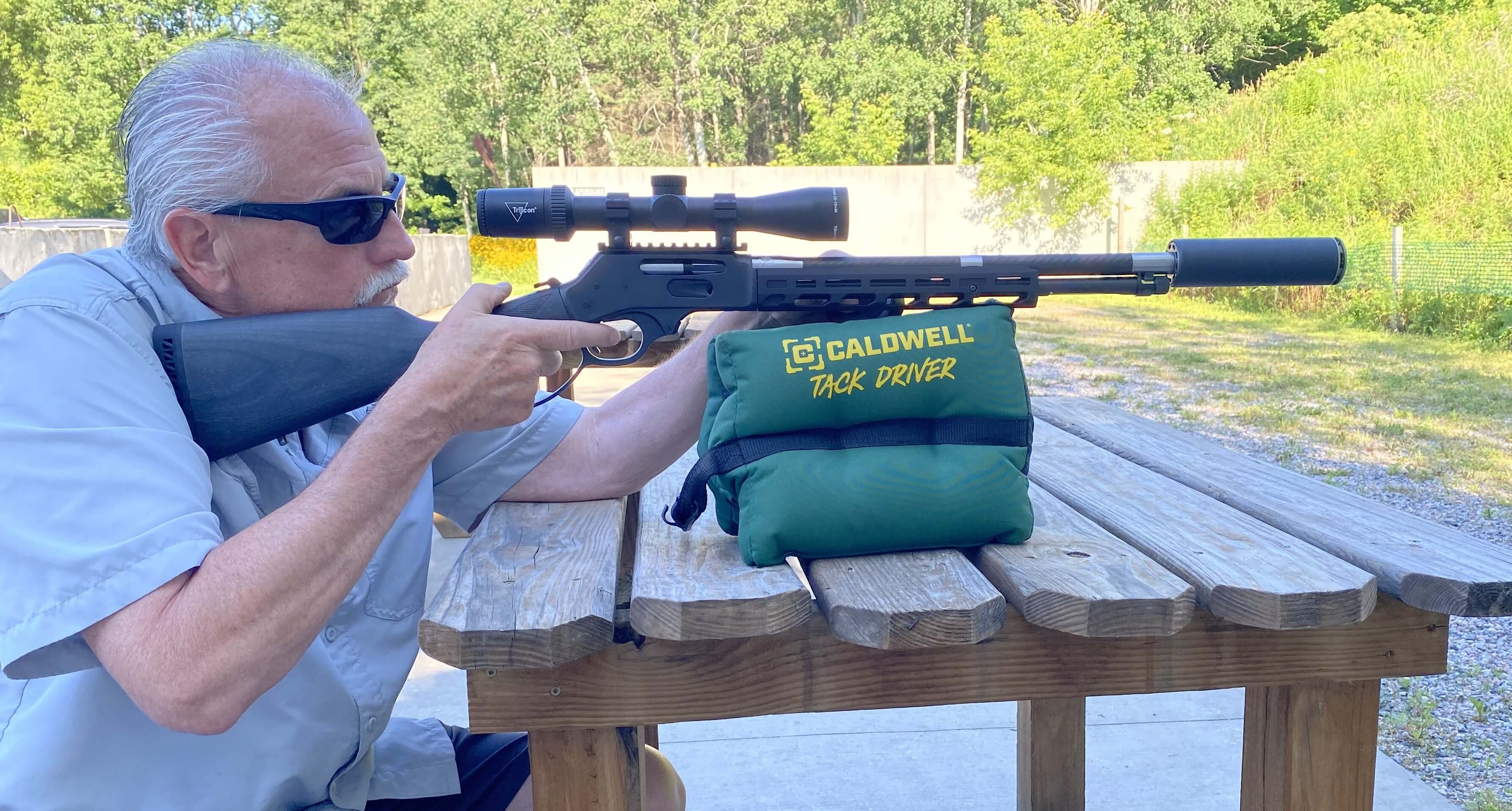
Henry Repeating Arms dropped a curveball into the lever-action market. The new SPD HUSH .30-30 strips the classic cowboy gun down to modern bones. Carbon fiber furniture, M-LOK rails, and suppressor-ready threading redefine what a .30-30 rifle can do.
This isn't nostalgia. It's purpose-built for shooters who want classic caliber performance wrapped in contemporary ergonomics. The .30-30 Winchester still delivers reliable energy downrange. Henry's execution changes how you access that cartridge.
Why It Matters for Gun Owners
The .30-30 Winchester fills a real gap. It cycles reliably in lever-action platforms where other cartridges stumble. Factory ammunition remains affordable and plentiful compared to AR platforms. Hunting regulations in many states still favor lever actions over semi-automatics.
But hunters and sport shooters want modern controls. The SPD HUSH answers that demand without abandoning the caliber's strengths. Carbon fiber reduces weight. M-LOK slots accept lights, slings, and optic mounts. Suppressor threading cuts muzzle blast during hunting trips and range sessions.
Accuracy matters most. .30-30 ammunition has tighter spreads than most people realize. The SPD HUSH's design supports precision shooting. Modern stock geometry improves cheekweld consistency. Free-floating barrels deliver shot-to-shot repeatability. That combination shifts the .30-30 from "good enough" to "competitive."
Price positioning also signals Henry's intent. This rifle costs more than a standard Model 600. It costs less than a tricked-out modern rifle. That sweet spot appeals to hunters tired of polymer and picatinny rails, but unwilling to sacrifice function for aesthetics.
Background on the SPD HUSH Platform
Henry's SPD (Special Purpose Design) line targets shooters seeking tactical improvements to traditional platforms. The company introduced carbine variants, pistol-grip options, and rail systems over the past five years. Each model proved lever-action owners would pay for modern features.
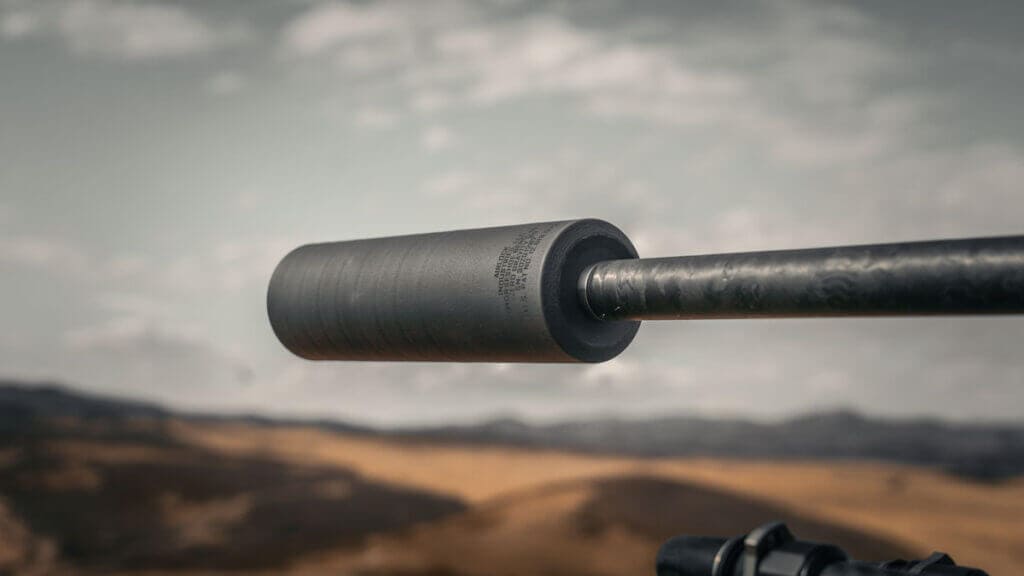
The HUSH designation refers to suppressor compatibility. Henry threads the barrel for standard .30-caliber suppressors. Running a suppressor on a .30-30 reduces muzzle report substantially without sacrificing ballistic performance. Many hunters appreciate the hearing protection during extended range sessions.
Carbon fiber construction matters here. It's lighter than traditional wood furniture without the cheap feel of basic polymer. The material offers legitimate weight savings—important for anyone carrying a rifle mile after mile.
M-LOK compatibility puts the SPD HUSH on par with AR-platform expectations. Shooters can mount optics, lights, vertical grips, and slings exactly where they want them. That flexibility appeals to hunters running night optics for predator control and sport shooters wanting customized setups.
Lever-action accuracy improved dramatically in recent years. Better manufacturing tolerances, modern metallurgy, and attention to internal geometry meant .30-30 rifles now group tighter than their predecessors. The SPD HUSH builds on those improvements.
DownRange Bottom Line
The Henry SPD HUSH represents a genuine shift in lever-action thinking. It respects the .30-30's proven track record while refusing to accept outdated ergonomics. For daily carriers rotating between hunting and sport shooting, this rifle solves real problems.
The caliber works. The platform works. The modernized execution works. Price your shot accordingly—this gun isn't cheap. But for shooters tired of choosing between traditional reliability and modern controls, Henry just removed that requirement.