Herrera Pledges Federal Constitutional Carry Push if Elected
A major political candidate committed to prioritizing national constitutional carry legislation at the federal level if elected. The pledge marks measurable political momentum for permitless carry nationwide, though congressional passage remains difficult under current conditions. Thirty-plus states already recognize constitutional carry, creating pressure for federal alignment.
Federal constitutional carry would eliminate permit requirements for firearm possession and carry. Currently, interstate travel creates legal traps for gun owners crossing state lines. A carrier lawfully armed in one state faces felony charges entering another without proper permits.
Why It Matters for Gun Owners
The patchwork of state permitting systems creates real obstacles for daily carriers. Interstate travel requires constant legal research before crossing borders. A hunter driving from Arizona to California cannot carry the same firearm without facing prosecution. Competitive shooters traveling for matches must plan routes around hostile jurisdictions.
Federal constitutional carry solves this immediately. Gun owners would carry under Second Amendment protection, not government permission. No more permit fees ranging from $50 to $300 annually. No more character investigations or waiting periods. No more local officials denying applications based on political ideology.
Reciprocity agreements exist but create confusion. Some states honor only specific permits from specific states. Federal action removes ambiguity entirely. A lawful carrier in one state remains lawful in all states—the actual meaning of constitutional rights.
The Second Amendment reads: "the right of the people to keep and bear Arms, shall not be infringed." Permitless carry aligns law with text. Federal preemption also blocks cities and counties from imposing restrictions independent of state law. Chicago cannot override Illinois. New York City cannot supersede state decisions.
Professional gun owners benefit most immediately. Security contractors, armed citizens, and law enforcement officers transitioning to civilian life currently face permit challenges across state lines. Federal constitutional carry removes administrative friction that currently forces carriers to leave firearms behind or risk felony charges.
Background: The Legal Momentum Shift
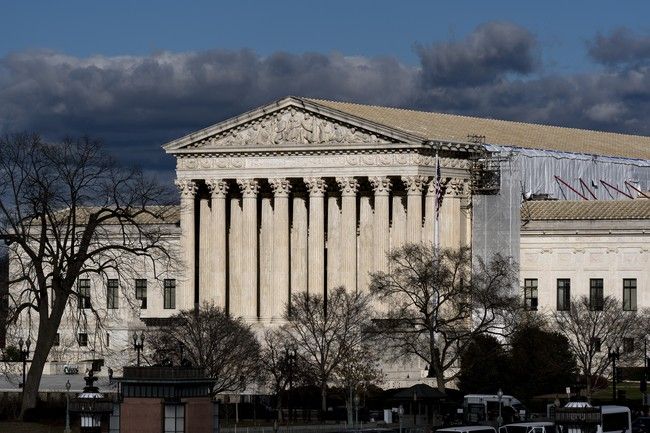
The Supreme Court's 2022 Bruen decision created the legal foundation for this federal push. The text-and-history framework invalidated permitting schemes in multiple lower courts already. New York's licensing system fell in federal court. Hawaii's restricted framework faced legal challenges. States began reconsidering licensing requirements under Bruen's standard.
Federal constitutional carry legislation would formalize what courts are increasingly ruling anyway—that the Second Amendment protects carry without government permission. The political calculus shifted measurably. Constitutional carry now has supporters beyond traditional strongholds. Congressional viability expanded from impossible to difficult.
Thirty-plus states moving to constitutional carry demonstrates public acceptance. Voters see permitless carry functioning without chaos. Crime rates in constitutional carry states match or beat restricted-permit states. The evidence undermines traditional opposition arguments.
DownRange Bottom Line
Federal constitutional carry remains a long-term objective, but political distance narrowed substantially. Court decisions accelerate this trajectory independent of legislation. Individual lawsuits challenging state permitting systems continue advancing through federal courts.
Gun owners should track this candidate and others making similar commitments. Federal action matters, but state-level constitutional carry remains achievable faster. Continue supporting legal challenges to existing permit systems. Vote accordingly. The Second Amendment protects carry rights—the only question is whether government recognizes it.