Suppressors Boost Shooting Accuracy Beyond Noise Reduction
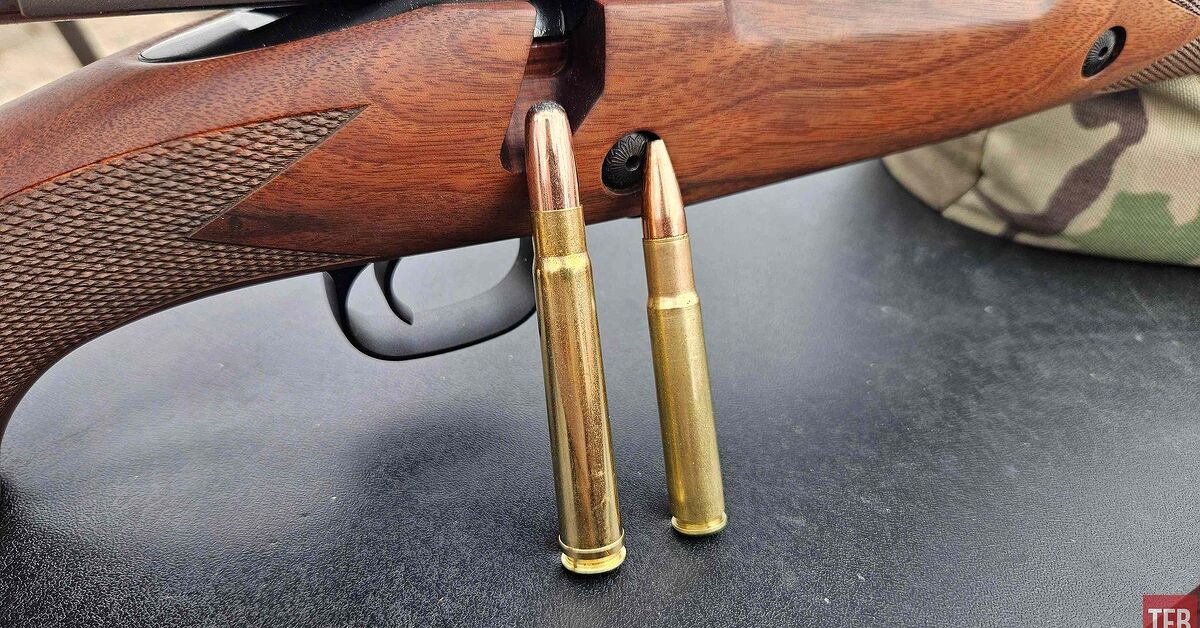
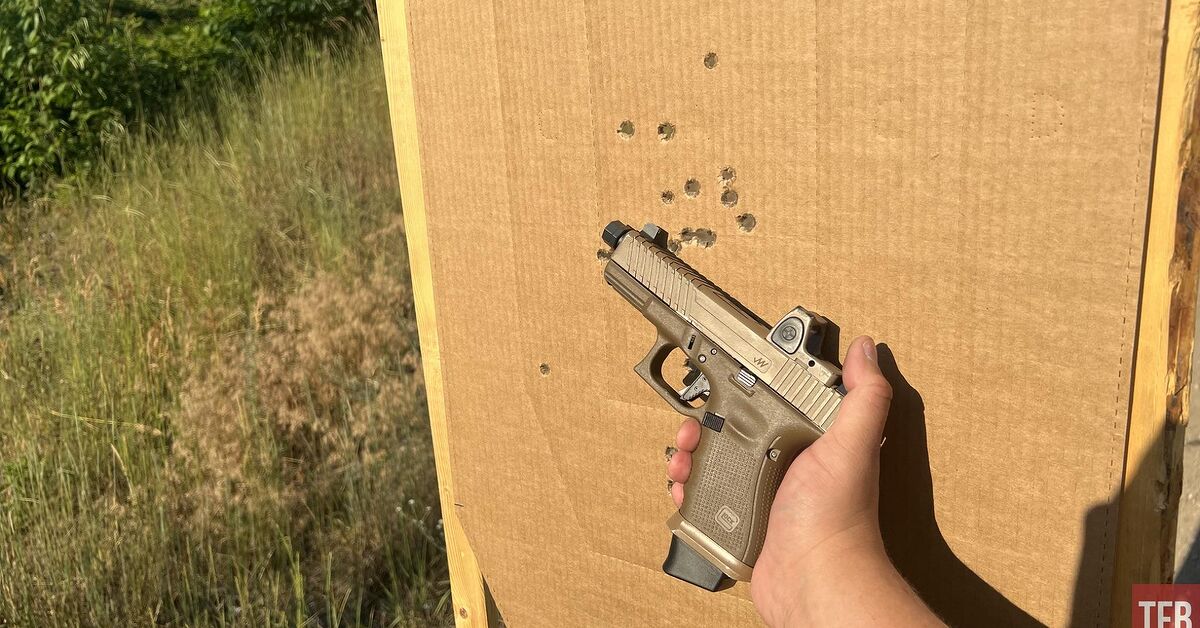
Suppressors improve shooting accuracy by managing recoil and eliminating flinch responses, according to new analysis from firearms training experts. The devices reduce muzzle blast and felt recoil, allowing shooters to maintain sight picture and follow-through. Competitive shooters report tighter shot groups when using suppressors on precision rifles and pistols. The accuracy benefits stem from reduced muzzle rise, consistent barrel harmonics, and the shooter's ability to stay on target without anticipating loud noise. Flinch response - the involuntary muscle tension before firing - disappears when shooters cannot predict the exact moment of discharge through sound.
Background and Context
The National Firearms Act of 1934 classified suppressors as regulated items requiring federal registration and a $200 tax stamp. Despite Hollywood portrayals of "silencers" creating whisper-quiet gunshots, suppressors typically reduce sound by 20-35 decibels. A suppressed .308 rifle still produces 130-140 decibels - louder than a jackhammer. Forty-two states allow civilian suppressor ownership, with recent legislative pushes in Illinois and New York. The Hearing Protection Act, reintroduced in Congress multiple times, would remove suppressors from NFA regulation. European countries encourage or mandate suppressor use for hunting and sport shooting as basic hearing protection equipment.
What This Means for Gun Owners
Shooters can expect measurable accuracy improvements when adding suppressors to rifles and handguns. Precision rifle competitors report group size reductions of 10-25 percent with quality suppressors. New shooters particularly benefit from reduced noise and recoil, building proper fundamentals without developing bad habits. The accuracy gains apply across calibers, from .22 LR target guns to .300 Winchester Magnum hunting rifles. Cost considerations include the suppressor price ($400-1500), the $200 tax stamp, and 6-12 month wait times for ATF approval. Gun owners must research state laws before purchasing, as eight states still prohibit civilian suppressor ownership including California, New York, and Illinois.
Industry Impact
Suppressor sales increased 400 percent from 2011 to 2021, reaching over 2.8 million registered units. Major manufacturers including SilencerCo, Dead Air, and Surefire report strong demand across product lines. The American Suppressor Association advocates for hearing protection and reduced training noise at ranges. Gun Owners of America supports full deregulation, calling current NFA restrictions unconstitutional infringements. Range operators nationwide report noise complaints dropping significantly when suppressor-equipped shooters train regularly. The accuracy benefits drive adoption among precision shooting disciplines and hunting applications where follow-up shots matter.
What to Watch Next
The Hearing Protection Act awaits committee assignment in the current Congress, with Representative Jeff Duncan (R-SC) as primary sponsor. ATF Form 4 processing times currently average 8-10 months for individual transfers. The agency implemented electronic filing for Form 4 applications in December 2023, potentially reducing wait times. Several federal courts will hear NFA challenges in 2026, including cases in the Fifth and Eleventh Circuits. State legislatures in Minnesota and Delaware consider suppressor legalization bills this session. Industry observers expect continued growth regardless of federal regulatory changes, driven by shooter education about hearing protection and accuracy benefits.
DownRange Bottom Line: Suppressors deliver real accuracy improvements that justify the hassle and cost for serious shooters. If you live in a free state, start your paperwork now - the wait times won't get shorter. The hearing protection alone makes suppressors essential equipment, not luxury accessories.