NYC Police Stops and Gun Seizures Don't Prevent Armed Violence
New York City maintains one of the nation's most aggressive law enforcement postures toward firearm carriers, yet violent crime persists despite intensive police interdiction. The strategy targets both lawful and unlawful gun owners through stop-and-seize operations, raising hard questions about whether enforcement alone actually reduces armed violence or simply displaces it.
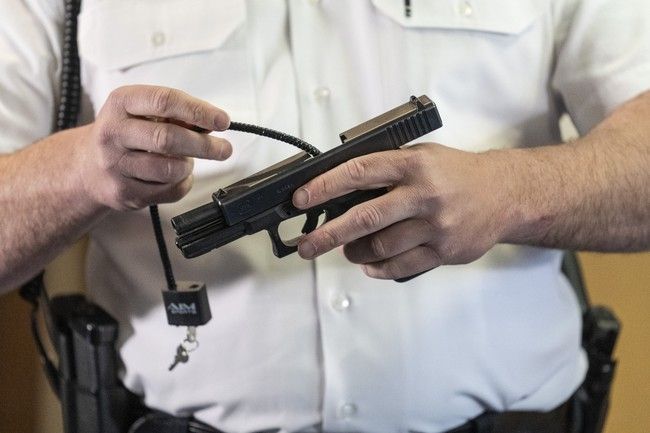
NYC police conduct thousands of firearm-related stops annually. Officers target individuals for permit checks, weapon seizures, and arrests based on suspicion of illegal carry. The enforcement apparatus operates across all five boroughs with particular intensity in high-crime neighborhoods. Yet year-over-year violent crime statistics show minimal correlation between enforcement volume and crime reduction.
Why It Matters for Gun Owners
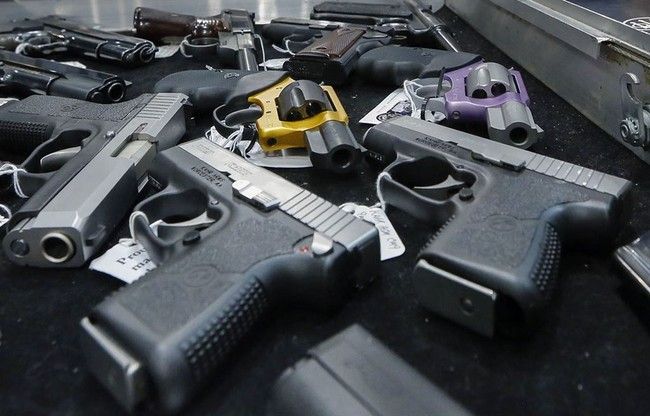
Lawful New York gun owners operate in an enforcement environment designed to make carry difficult and risky. A legally permitted carrier faces potential police contact that can escalate without warning. The permit system itself remains among America's most restrictive—good-cause requirements mean most ordinary citizens cannot legally carry at all.
For the small percentage holding valid permits, enforcement pressure creates operational friction. Police stops can occur during lawful transport. Legal carriers must understand that possession of a permitted firearm invites scrutiny that lawful owners in constitutional carry states never face.
This enforcement-first approach also affects policy direction. If New York's criminal justice system proves enforcement-heavy tactics don't prevent armed crime, political pressure may shift toward alternative strategies. Some cities have tested community violence intervention programs, mental health response teams, and repeat offender prosecution focus instead of broad enforcement sweeps.
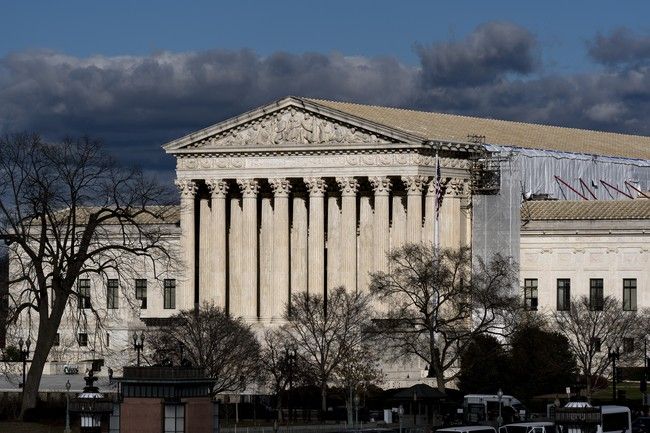
The New York State Rifle & Pistol Association v. Bruen decision (2022) requires that firearm regulations have historical grounding. If NYC's aggressive enforcement fails to demonstrate public safety results, legal challenges may succeed under that standard. Permit holders could argue that restrictions preventing lawful carry lack constitutional justification if enforcement doesn't deliver promised safety improvements.
Background: The Enforcement-Only Playbook
NYC's approach reflects policy choices made over decades. Starting in the 1990s, the city embraced stop-and-frisk tactics as crime-fighting tools. Later iterations focused specifically on illegal gun possession. The theory: intercept armed individuals before they commit crimes.
That theory hasn't proven correct. Major cities across America—Boston, Chicago, Los Angeles, Philadelphia—employ different enforcement models with varying results. Some focus on repeat violent offenders. Others emphasize community partnerships. Few rely exclusively on broad interdiction against gun carriers.
New York's permitting system creates its own enforcement burden. Restrictive good-cause requirements mean most gun owners carry illegally. This produces a large underground armed population that police target through aggressive stops. Officers cannot distinguish lawful from unlawful carriers through appearance alone, creating legal risk for every gun owner in the city.
Cities that adopted constitutional carry or shall-issue systems often saw enforcement resources shift toward actual crime investigation rather than permit verification. Officers in those jurisdictions spend less time stopping people for weapons and more time investigating violent incidents.
DownRange Bottom Line
NYC's strategy proves enforcement-heavy tactics don't guarantee violence reduction. Cities must choose between restrictive permitting with aggressive enforcement or broader permit access with focused prosecution of violent criminals. The current New York model delivers neither adequate safety nor lawful carry access.
Gun owners navigating NYC's system should understand that enforcement pressure reflects policy failure, not necessity. Other American cities prevent armed crime without making lawful carry nearly impossible. Permit holders should document enforcement interactions and support legal challenges to regulations that restrict carry without delivering measurable safety gains.