No Other Right Gets a Federal Agency. Why Does the Second?
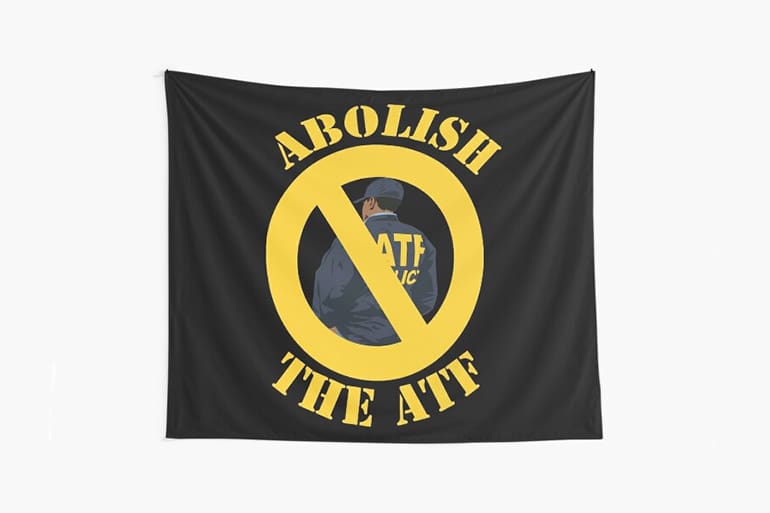
The Bureau of Alcohol, Tobacco, Firearms and Explosives operates with a mandate no other constitutional right receives: a dedicated federal agency tasked with regulating citizens, businesses, and the tools needed to exercise that right. A Texas gun advocacy group has raised the fundamental question: why does the Second Amendment alone warrant this level of federal oversight when the First, Fourth, and Fifteenth Amendments operate freely without comparable bureaucratic control?
Key Details
- The ATF exists solely to regulate firearms ownership, manufacture, and commerce—a function without parallel in how America treats other constitutional rights
- No federal agency oversees the exercise of free speech, religious practice, voting rights, or Fourth Amendment protections with comparable enforcement authority
- The ATF's regulatory reach extends to manufacturers, dealers, ammunition sellers, and individual gun owners across all 50 states
Why It Matters for Gun Owners
This distinction cuts to the core of how courts evaluate Second Amendment restrictions. Under New York State Rifle & Pistol Association v. Bruen, the Supreme Court established that gun regulations must have historical precedent to survive constitutional review. The very existence of a federal agency dedicated to restricting firearm access—a structure with no historical equivalent at the Founding—raises serious questions about whether modern ATF regulations can meet that test. Gun owners navigating state and federal compliance should understand that this structural argument is now part of active litigation. Competitive shooters, daily carriers, and collectors all operate under rules written by an agency whose constitutional authority itself is under scrutiny.
DownRange Analysis
The argument deserves credibility. The Framers did not envision federal agencies; the ATF was created in 1972 as a tax bureau division. Compare this to how America handles the First Amendment: Congress cannot establish a "Department of Speech" or an "Agency for Religious Freedom." These rights face restrictions, certainly, but through traditional legislative and judicial channels—not dedicated federal bureaucracies. A future Supreme Court, interpreting Bruen strictly, may find that the ATF's regulatory scope lacks historical grounding. For gun owners, this means documenting every ATF action now. Litigation challenging ATF rulemaking on structural grounds is inevitable and could reshape how firearms are regulated for decades.