Jack O'Connor: How the .22-250 Beat Out the .220 Swift
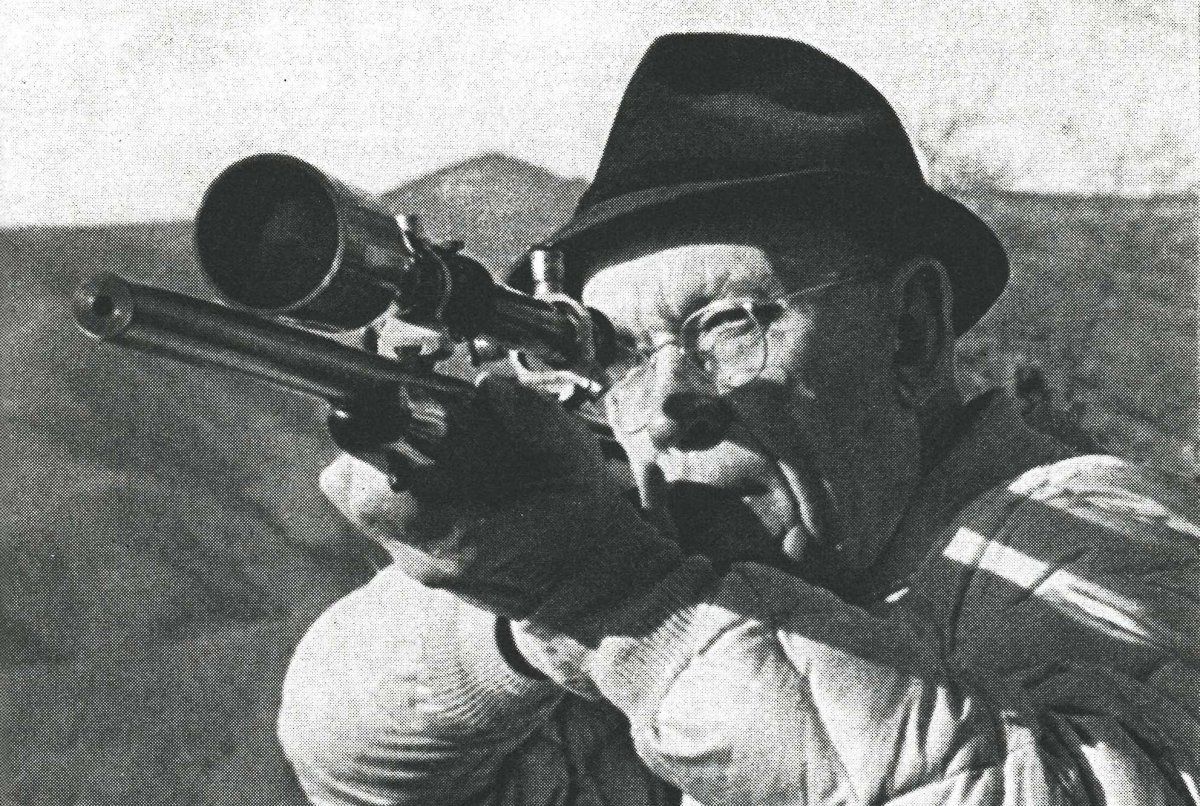
Legendary shooting editor Jack O'Connor traced the rise of the .22-250 Remington as the preferred varmint cartridge by 1969, explaining why it displaced the earlier .220 Swift in shooter preference. O'Connor's analysis documents a critical shift in ammunition selection driven by ballistics, availability, and field performance rather than marketing alone.
Key Details
- By 1969, the .22-250 Remington had become the dominant varmint round in American shooting circles
- The .220 Swift, despite earlier adoption, lost ground to the newer cartridge
- O'Connor's firsthand reporting captured the transition during its critical moment in the market
- The shift reflected shooter priorities in ballistics performance, barrel life, and ammunition consistency
Why It Matters for Gun Owners
Varmint shooters buying rifles today inherit the legacy of this 1969 decision. The .22-250 remains the default choice for prairie dogs, coyotes, and medium-range varmint work across the American West and Midwest—a position it's held unchallenged for over 50 years. Gun owners considering a varmint rifle need to understand why this cartridge won: it delivered flatter trajectories, more consistent factory ammunition, longer barrel life, and manageable recoil in semi-custom and factory builds. Shooters researching used rifles or planning a first varmint gun will find far more ammunition availability, brass, and reloading data for .22-250 than dead cartridges that didn't survive the market culling.
DownRange Analysis
O'Connor's reporting captures a moment when shooter preference, not manufacturer dominance, determined a cartridge's survival. The .220 Swift possessed ballistic advantages—higher velocity, flatter trajectory—but superior specs don't guarantee market success. The .22-250 won because it balanced performance with reliability: factory ammo worked consistently, barrels lasted longer, and shooters trusted the numbers. This 1969 inflection point remains relevant: today's cartridge wars follow the same pattern. Shooters should prioritize field-proven rounds with established ammunition ecosystems over ballistic spreadsheets. Buy what works. The market already sorted the rest.