Montana Leads Coalition Against 3-Day Firearm Purchase Delay
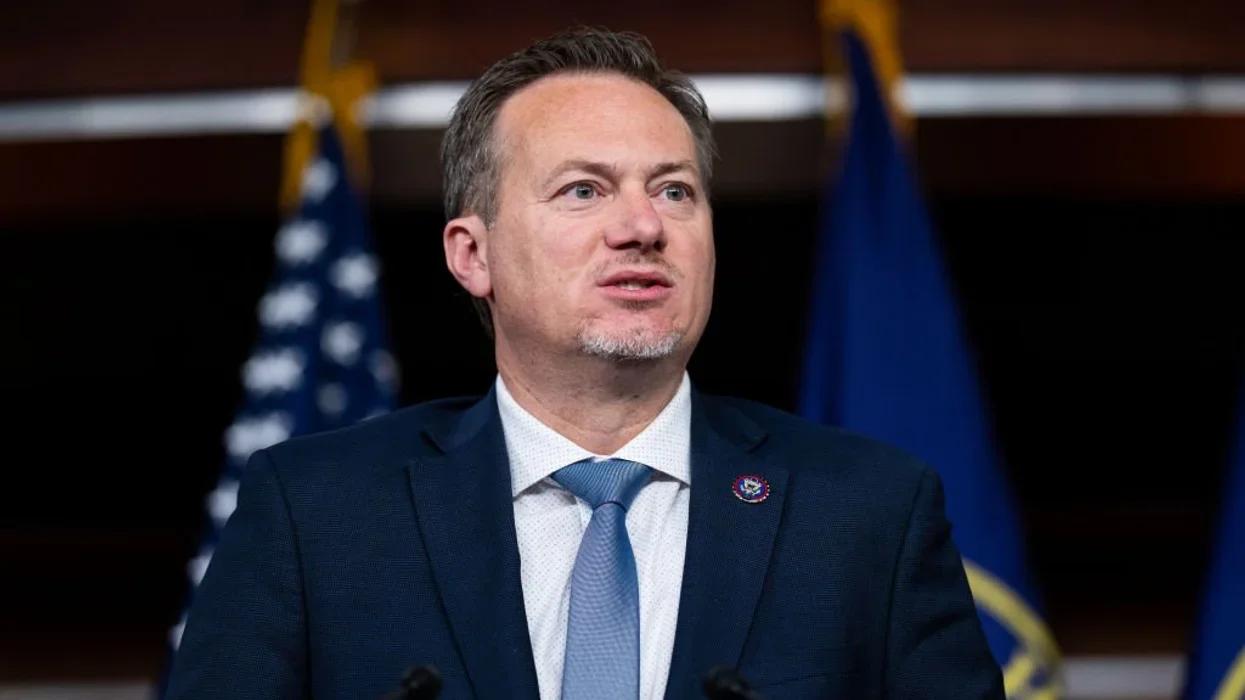
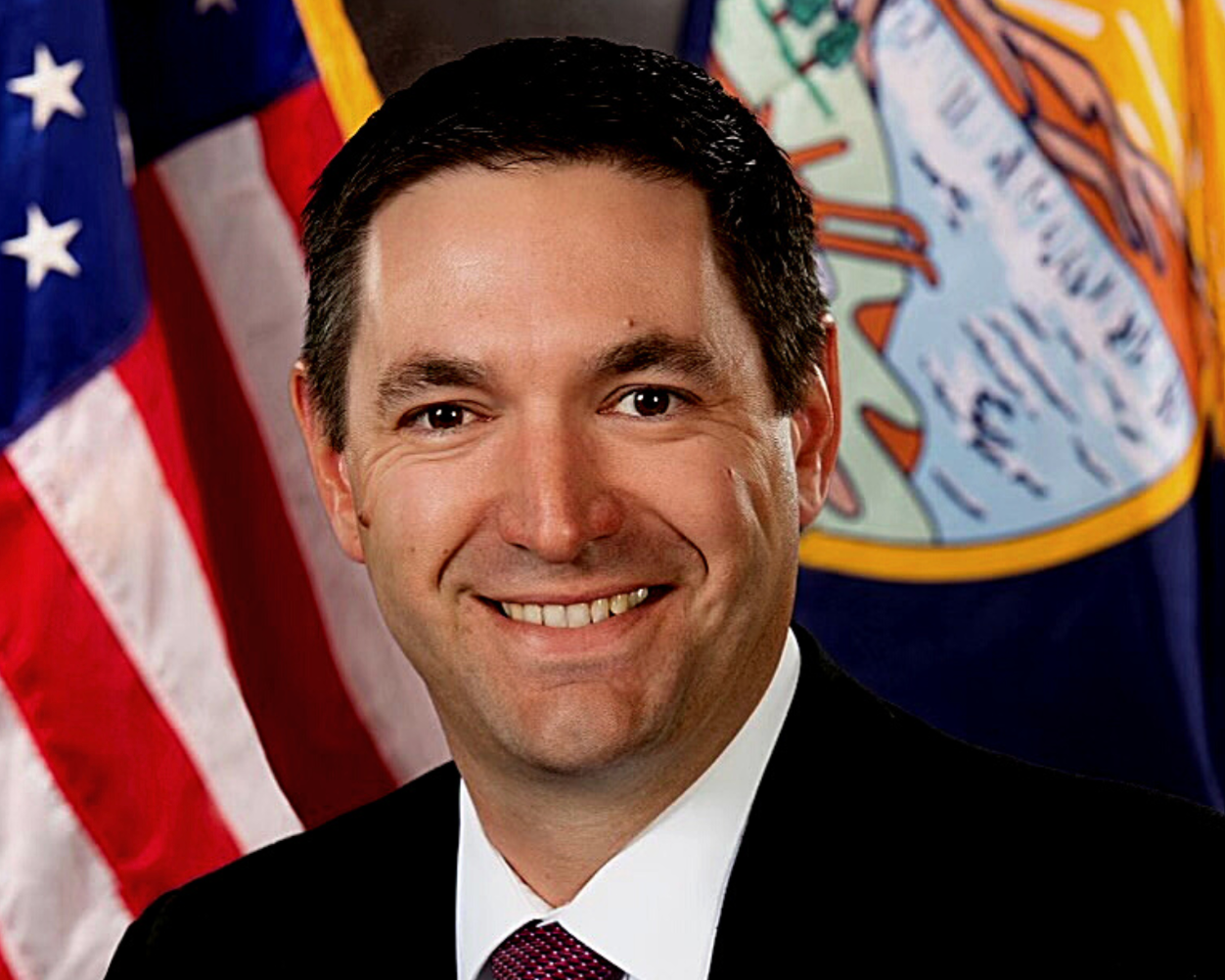
Twenty-five state attorneys general filed a petition with the Supreme Court asking justices to review Maine's 72-hour firearm waiting period. Montana spearheaded the effort, arguing the mandate violates Second Amendment rights and contradicts federal law. The First Circuit Court of Appeals previously upheld Maine's restriction, prompting the multi-state challenge.
This represents a major pushback from Republican-led states against state-level purchase delays. The coalition argues waiting periods infringe on law-abiding citizens' ability to exercise constitutional rights immediately. Maine's law forces buyers to wait three days after purchase before taking possession of any firearm, regardless of background check results.
Why It Matters for Gun Owners
Gun owners face a critical Supreme Court moment on waiting periods. If SCOTUS declines to hear the case, Maine's restriction stands as legal precedent. If the Court accepts review, a favorable ruling could strike down similar laws in other states.
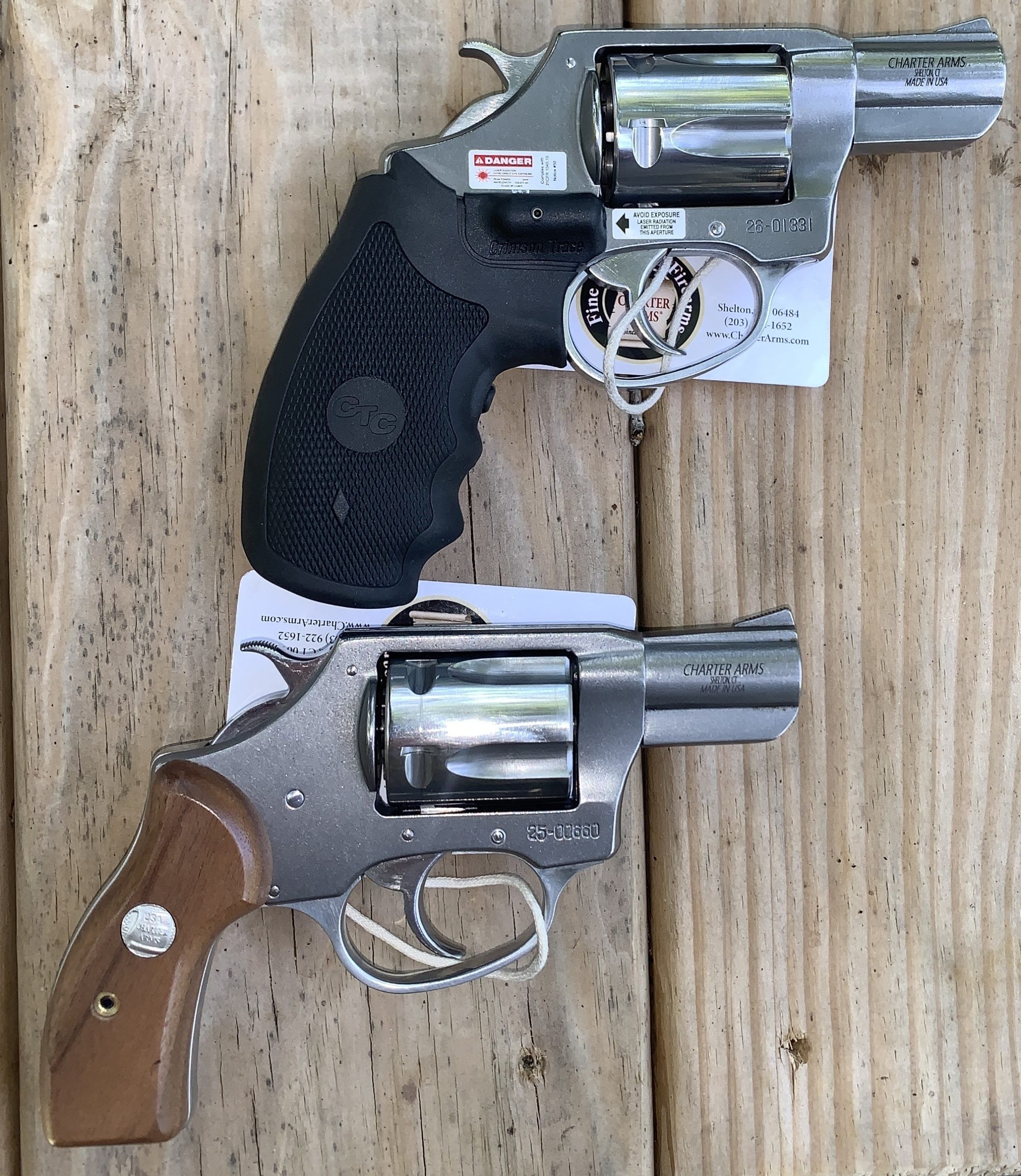
Waiting periods affect daily carriers directly. Even after passing federal NICS checks—which complete within minutes—buyers cannot legally take possession. This creates a gap where law-abiding citizens experience delayed self-defense capability during a period of vulnerability.
The petition challenges the legal logic behind waiting periods entirely. Petitioners argue mandatory delays serve no constitutional purpose once background checks clear. Federal law already screens for prohibited persons through NICS. Adding state-imposed waiting periods creates redundant burden without additional safety benefit, according to the filing.
Politically, this marks rare bipartisan concern about constitutional rights. Multiple moderate and conservative states signed on, suggesting waiting periods face growing legal opposition across regions. A Supreme Court ruling could reshape firearm purchase timelines nationwide.
Background
Maine implemented its 72-hour waiting period in 2019. The law requires all firearm purchasers to wait three calendar days after background check clearance before taking possession. No exceptions exist for experienced gun owners or licensed carriers.
The First Circuit Court of Appeals upheld the law in 2023, finding waiting periods rational under Second Amendment jurisprudence. That decision frustrated gun rights advocates who believed post-Bruen Supreme Court precedent should invalidate such restrictions. The Bruen standard emphasizes historical tradition and text when evaluating gun laws.
Montana and allied states argue the First Circuit decision conflicts with Bruen's framework. They contend no historical tradition of waiting periods exists. Early American law allowed immediate purchase and possession. Waiting periods are modern inventions lacking historical foundation, the petition argues.
Similar petitions challenge waiting periods in Washington State and California. Those cases also await Supreme Court action. If SCOTUS accepts any waiting period case, justices could issue guidance affecting multiple states simultaneously.
DownRange Bottom Line
This petition matters because Supreme Court action on waiting periods could establish national precedent. Gun owners in restrictive states might finally gain immediate access after background clearance. The 25-state coalition signals this issue has legs politically.
SCOTUS typically receives thousands of petitions annually but accepts fewer than 100 cases. The coalition's size and legal arguments increase odds of acceptance. Even if the Court declines review, the petition draws judicial attention to waiting period constitutionality.
Carriers should monitor this case closely. A favorable ruling restores access rights post-background check. An unfavorable decision embeds waiting periods deeper into American firearm law. The outcome shapes how quickly armed self-defense becomes possible after purchase.