Supreme Court Combines Two Assault Weapon Cases Into One Hearing
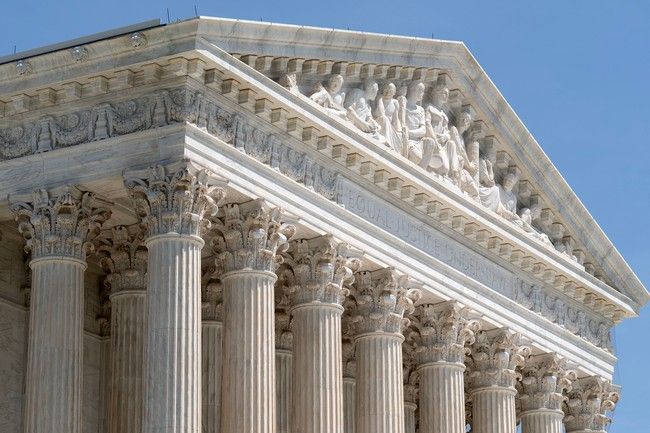
The Supreme Court will hear not one but two separate challenges to so-called assault weapon bans consolidated into a single case. The consolidation follows divergent rulings from lower courts that created conflicting legal standards on magazine capacity and semi-automatic rifle restrictions. SCOTUS effectively signaled it intends to settle the constitutional question across multiple state-level bans at once.
Key Details
- Two distinct lawsuits challenging assault weapon statutes merged into unified Supreme Court docket
- Lower courts issued contradictory rulings on the same constitutional questions, forcing appellate resolution
- Case involves magazine capacity limits and semi-automatic rifle definitions across multiple jurisdictions
- Decision will likely apply nationwide given SCOTUS review scope
Why It Matters for Gun Owners
A consolidated Supreme Court hearing accelerates resolution of one of the most active battlegrounds in post-Bruen litigation. Gun owners in states with existing assault weapon restrictions—California, New York, Massachusetts, Connecticut, Colorado, and others—face legal limbo. A favorable ruling could invalidate multiple state bans simultaneously; an unfavorable one might embolden additional states to pass similar restrictions. Competitive shooters using AR-15 and modern sporting rifles in restricted states should monitor oral arguments closely. The timing matters: early 2027 arguments could yield a ruling by summer, reshaping carrying and competition options for millions of gun owners nationally.
DownRange Analysis
Bruen's text-and-history standard has already exposed lower courts' weakness in defending magazine bans and cosmetic feature restrictions without historical precedent. Combining cases forces SCOTUS to address whether Bruen actually permits any modern rifle restrictions—a question courts have dodged through narrow rulings. The Court's choice to consolidate signals it wants a sweeping answer, not piecemeal decisions. Gun owners should expect oral arguments to focus on capacity thresholds and functional equivalence, not just ergonomic features. Prepare for either a decisive nationwide win or a framework that leaves room for state-specific bans—no middle ground likely survives this hearing.