ATF's Zero Tolerance Policy Targets Gun Dealers Over Paperwork Errors
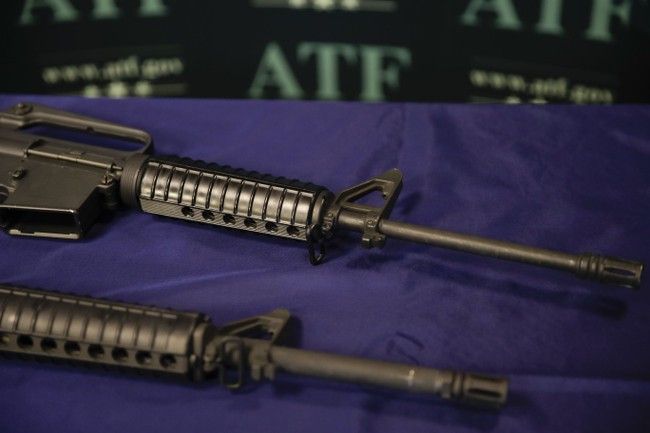
The Biden Administration's ATF implemented a "Zero Tolerance" policy that weaponized federal code against federally licensed firearms dealers. The enforcement mechanism converted routine paperwork errors—misspellings, formatting mistakes, clerical oversights—into automatic license revocations. Gun store owners faced permanent loss of their federal firearms licenses for mistakes that would previously trigger warnings or remedial filing. The policy effectively used administrative weaponization to force compliance through fear of business closure.
Key Details
The policy treated administrative errors as equivalent to criminal violations. Misspelled names on Form 4473 submissions, transposed numbers on applications, or other minor clerical mistakes became pretexts for revoking licenses without opportunity for correction. The ATF stopped issuing warnings or cure periods for technical violations. Instead, agents weaponized the regulatory framework to achieve license revocation on the first documented error. This contrasted sharply with historical ATF practice, which allowed dealers to correct paperwork problems within defined timeframes.
Why It Matters for Gun Owners
This policy directly reduces the number of legal points of sale for firearm purchases. Fewer licensed dealers means longer drive times, fewer inventory options, and reduced competition on pricing and service. Gun owners in rural areas face the heaviest burden—losing a single FFL in a county can eliminate the only local option for purchasing ammunition or ordering firearms. The policy also creates pressure on dealers to stop selling certain categories of firearms or ammo entirely, reducing market access. Dealers who fear license revocation over paperwork errors may simply exit the business, particularly smaller shops with limited compliance staff.
DownRange Analysis
This policy fails basic due process standards and likely collapses under Bruen scrutiny if challenged in federal court. The ATF cannot use administrative code to circumvent Second Amendment protections by eliminating the dealer network that enables lawful commerce. A gun owner's right to purchase a firearm is meaningless if the government eliminates the licensed dealers who sell them. Expect lawsuits from FFL trade groups and individual dealers seeking injunctive relief and damages. The policy's aggressive enforcement also signals that compliance officers face pressure to generate revocations, creating a perverse incentive structure. Gun owners should document FFL closures in their area and report patterns to their representatives. Supporting local dealers through direct purchases—rather than online sales—strengthens the dealer network against future regulatory attacks.