Soviet Doctrine Kept the PKM on Bipods, Not Tripods
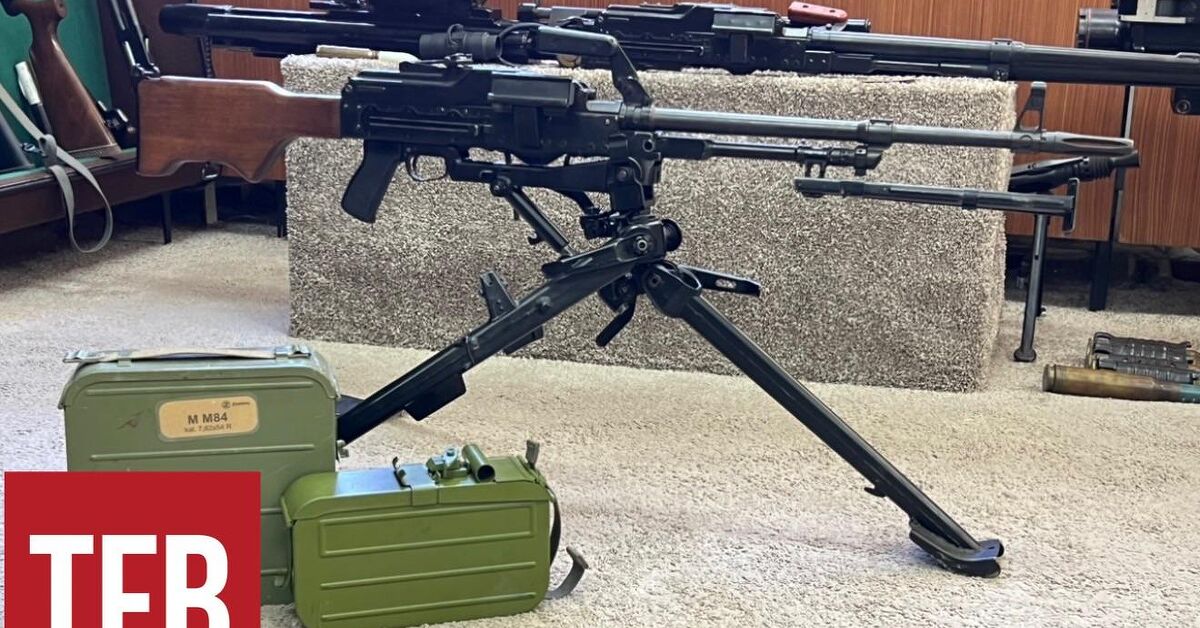
Soviet doctrine kept the PKM on its bipod for most of its service life, trading precision at long range for wide area coverage. That choice traces back to the Russo-Japanese War of 1904-1905, when a small number of machine guns proved they could decide an infantry fight. The Firearm Blog's history piece follows that lesson from crew-served guns backing large formations to today's mix of general-purpose machine guns, squad automatic weapons, and automatic rifles. For anyone who shoots a PK-family gun or a belt-fed sporter, the history matters. The doctrine that shaped the weapon also shapes how a crew fires it.
Key Details
The source lays out how machine-gun thinking developed across three conflicts and one Cold War design. The most useful facts:
- Russo-Japanese War (1904-1905): Russian forces relied mainly on the Maxim gun. Japanese forces increasingly used the Hotchkiss. Both sides started with limited inventories and expanded them during the fighting.
- Key battles: Liaoyang, Port Arthur, and Mukden showed the machine gun's defensive power, especially when paired with entrenchments and artillery.
- Russian missteps: Heavy, wheeled Maxims struggled on rough ground and often served as artillery substitutes. General Aleksei Kuropatkin criticized their weight and limited adaptability.
- First World War: Heavy machine guns anchored trench defenses, and light automatic weapons moved with infantry. The period also produced the first practical automatic rifles and light machine guns.
- Second World War: General-purpose machine guns combined heavy and light features into one weapon.
- Tripod vs. bipod: On a tripod, the PKM can reach 1,100 to 1,500 meters with tighter groups. On a bipod, it spreads fire, which suits 600 to 800 meters and area targets.
- Comparison: The source argues that a Western GPMG such as the FN MAG58 or the M240 outclasses the PKM as the Soviets typically employed it.
- Modern threats: Drones, thermal imaging, and counter-battery fire expose static positions, which pushes crews toward concealment and dispersion.
Background
Hiram Maxim patented his recoil-operated, fully automatic machine gun in 1884. Armies adopted it quickly, and the Russian Army fielded Maxims in large numbers by 1904. Japan bought Hotchkiss designs from the French firm of the same name, and that gun became the backbone of its machine-gun arm. The lessons of 1904-1905 did not produce immediate doctrinal change. Many armies treated machine guns as a heavier form of artillery or a stationary defensive tool for years. The First World War forced a rethink, and the interwar period tied automatic weapons to infantry maneuver.
The Soviet Union's PK entered service in the early 1960s as a replacement for the older SGM and other Cold War-era guns. The PKM, a modernized version, followed later in the decade. Soviet planners built their infantry around mechanized formations, and the gun's bipod-first employment fit that concept. The 7.62x54mmR cartridge gave the weapon range and penetration that fit Soviet-era battlefield planning. The tripod remained part of the design, but it was a requirement for qualifying as a general-purpose machine gun more than a standard field setup.
Why It Matters for Gun Owners
Most American gun owners will never fire a PKM on a tripod at 1,200 meters. Some will own a legal, registered machine gun, and the employment lessons still apply to how those guns are built, mounted, and fired. Federal law sets the frame here. The National Firearms Act of 1934 requires registration, a $200 transfer tax, and an approved ATF Form 4 for machine guns. The Firearm Owners Protection Act of 1986 closed the registry to new civilian transfers of machine guns made after May 19, 1986. That leaves the legal civilian market limited to pre-1986 guns that are already registered.
State law adds another layer. California restricts machine gun possession beyond federal requirements, and New York imposes its own limits on automatic firearms. A registered owner who crosses state lines must confirm that both the origin and destination states allow the gun. Owners who build or convert firearms should also check federal definitions of machine guns and parts, since ATF enforcement focuses on conversion devices. For everyone else, the practical lesson is simple: study how the weapon was designed to be used, because training and mounting choices change its effectiveness more than caliber debates do.
DownRange Analysis
Under Bruen, the government must show that a modern firearms restriction matches the nation's historical tradition of firearm regulation. Machine gun restrictions have survived most challenges by pointing to the NFA's 1934 structure and to Heller's language on dangerous and unusual weapons. The Supreme Court has not taken a machine gun case. The Firearm Blog piece does not address those legal questions, and its history does not settle them. What it does show is that the military case for machine guns rests on doctrine, mounting, and crew training, not on the raw gun. That argument cuts both ways in court and in the market. Right now, a gun owner should do three things. Verify the registration status of any NFA item before buying or transferring it. Check the state law where the gun will be stored and transported. Keep records of every transfer, because the paperwork is what keeps a legal machine gun legal.