Montana AG Leads 25-State Push Against Maine's 72-Hour Gun Wait
Montana Attorney General Austin Knudsen organized a multi-state amicus brief asking the Supreme Court to grant certiorari in Beckwith v. Frey, directly challenging Maine's 72-hour waiting period for all firearm transfers. Twenty-five state attorneys general and officials signed the brief, making this one of the largest coalitions to challenge a state gun-delay law since the Bruen decision in 2022.
The coalition targets Maine's mandate: a three-day delay before any firearm transfer or purchase can proceed. The brief argues the waiting period lacks historical precedent and violates Second Amendment rights under District of Columbia v. Heller and New York State Rifle & Pistol Assn. v. Bruen. This represents coordinated state-level resistance to post-Bruen firearm restrictions gaining traction in blue states.
Why It Matters for Gun Owners
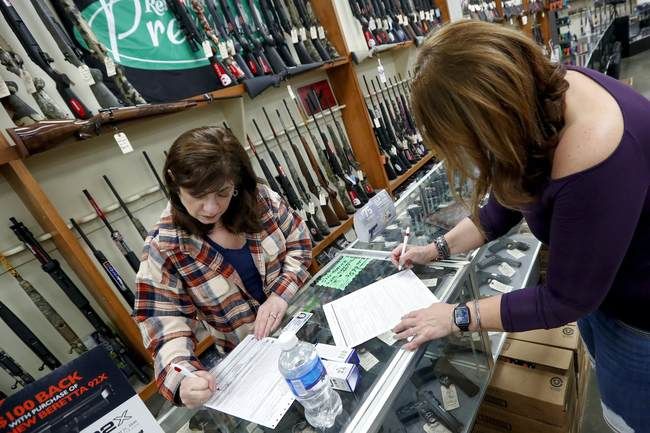
Waiting periods affect every legal gun buyer in affected states. They delay self-defense purchases, force gap periods for defensive carry, and add friction to lawful transactions already screened through NICS background checks. Maine's 72-hour rule applies to all transfers, including private sales and certain ammunition purchases.
A gun owner facing a home-invasion threat cannot close a private sale and carry immediately. A woman leaving an abusive relationship cannot purchase a defensive pistol when she needs it most. These delays stack on top of federal background check delays, creating real-world friction for lawful citizens while criminals ignore law entirely.
If the Court takes the case and strikes down Maine's law, it could expose similar waiting periods in California, New York, Connecticut, Hawaii, Illinois, and Washington to immediate legal challenges. Gun owners in coalition states gain advantage: a SCOTUS win here means enforcing Second Amendment protections nationwide, not just in red states. A single court decision could free millions of Americans from mandatory delay requirements.
The Bruen Standard Cuts Against Waiting Periods
Knudsen's coalition strategy signals serious coordination among state-level conservatives to weaponize amicus briefs before SCOTUS. The Bruen standard—requiring historical analog for any firearm regulation—creates real vulnerability for waiting periods. Colonial America had no mandatory delays. The Founding Era privileged immediate self-defense access. Massachusetts in 1791 did not require citizens to wait three days before purchasing muskets for home defense.
Maine's legislature passed the waiting period in 2019 without any historical basis. The state cannot point to founding-era precedent because none exists. Under Bruen's text-history-tradition framework, that's a fatal flaw. Federal judges have already begun striking down laws failing this test in other contexts.
The coalition brief likely emphasizes that NICS background checks already protect public safety. Instantaneous denials stop prohibited persons immediately. Waiting periods don't add safety—they only delay law-abiding transfers. A three-day gap doesn't stop criminals; they steal guns or buy through straw purchases.
DownRange Bottom Line
Twenty-five states are betting the Supreme Court will hear this case and rule against Maine. The coalition is stronger than most amicus efforts, suggesting real confidence in the legal argument. Bruen gave gun owners the framework to challenge restrictions lacking historical pedigree. Waiting periods fail that test.
Expect SCOTUS to announce its certiorari decision within months. If the Court takes Beckwith v. Frey, oral arguments could happen within a year. A ruling striking down Maine's law would hit multiple blue states simultaneously. This case could become the post-Bruen decision that finally addresses waiting periods directly. Gun owners should monitor this closely—the outcome affects millions of lawful citizens forced to delay self-defense purchases.