Newsom Signs California 3D Printing Gun Restrictions Into Law
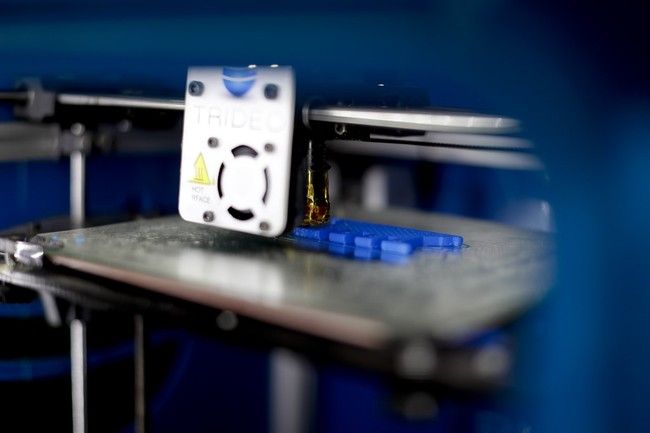
Governor Gavin Newsom signed a slate of gun control bills into law, including measures targeting 3D-printed firearms and manufacturing restrictions. The legislation represents California's continued push to regulate unserialized weapon production within state borders. The exact provisions and effective dates vary across the bills signed, reflecting the state's incremental approach to firearms regulation.
Key Details
- Newsom signed multiple bills addressing 3D printing and ghost gun manufacturing
- Restrictions target both the finished weapons and related manufacturing materials or equipment
- California joins other states implementing similar 3D printer firearm regulations
- Bills address the gap between federal law and state-level enforcement concerns
Why It Matters for Gun Owners
California gun owners and manufacturers face tightened restrictions on legally producing unserialized firearms using 3D printing technology. Those currently manufacturing or possessing 3D printer specifications, materials, or finished frames need to understand the new compliance requirements and potential penalties. The laws may affect hobbyists, legitimate manufacturers, and those engaged in legal home firearms manufacturing. Owners in California should review the specific effective dates and penalties for each bill. Out-of-state gun owners should monitor whether similar legislation gains traction in their jurisdiction—Illinois, New York, and other states have pursued comparable restrictions.
DownRange Analysis
California's approach targets the method rather than the underlying right, which creates Bruen questions about means-ends fit. The Supreme Court has not yet ruled on whether 3D printer restrictions survive constitutional scrutiny when applied to lawful home manufacturing. These bills will likely face legal challenge, particularly if they prohibit all access to manufacturing files or equipment without exception. Gun owners should document any lawful manufacturing activity before effective dates. The practical impact depends on enforcement resources—California has limited ability to monitor home workshops. Expect litigation within 12-18 months testing whether these restrictions meet the historical tradition standard required by Bruen.