Supreme Court Takes Assault Weapon Ban Cases—Bruen Test Looms
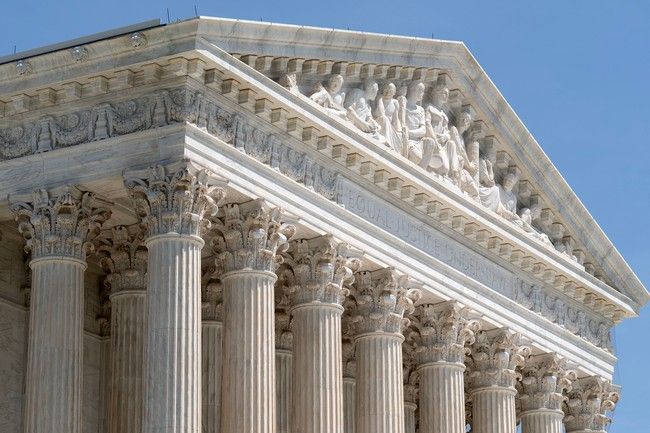
The Supreme Court granted certiorari in Viramontes and Grant, two related cases that will force the justices to rule on whether state-level assault weapon bans withstand constitutional challenge under the Bruen standard. These cases originate from different states but converge on the same core question: whether categorical bans on common semi-automatic rifles pass muster under the Second Amendment. The Court's docket now includes multiple firearms cases, signaling a full agenda for Second Amendment jurisprudence in the coming term.
Key Details
- Two cases, parallel questions: Viramontes and Grant challenge assault weapon bans but arise from different state jurisdictions, yet both hinge on the same constitutional issue.
- Bruen framework applied: Both cases will be tested against the two-step historical analysis the Court established in New York State Rifle & Pistol Association v. Bruen (2022).
- Scope of restriction: These cases address categorical bans on semi-automatic rifles—not NFA items or other restricted categories—meaning the ruling will affect millions of commonly owned firearms.
Why It Matters for Gun Owners
This certification is the clearest signal yet that SCOTUS is willing to revisit assault weapon bans directly. States with active bans—including California, New York, Colorado, and Connecticut—face potential invalidation of their statutes if the Court rules these laws fail Bruen's historical test. Gun owners in those states have been frozen in legal limbo; a favorable ruling would immediately affect purchasing rights, compliance obligations, and the enforceability of existing restrictions. Competitive shooters, home defenders, and hunters relying on semi-auto platforms need to watch this docket closely. The decision will also shape whether states can defend new ban proposals or must abandon the approach entirely.
DownRange Analysis
Viramontes and Grant arriving together suggests the Court sees a cohesive issue worth resolving across jurisdictions. Under Bruen, the historical test demands government show a founding-era or longstanding tradition supporting the restriction—a burden assault weapon bans consistently fail. No historical analogue to semi-automatic rifle bans existed in 1791 or the early 1900s; these are twentieth-century inventions. The Court is unlikely to invent a novel historical carve-out for modern rifles when Bruen explicitly rejects such policy-based reasoning. A favorable ruling here would demolish the theoretical foundation beneath most state bans and potentially set precedent for invalidating future restrictions on commonly owned arms. Gun owners should expect a decision within 18 months.