Democrat Pushes Bill to Regulate Air Rifles Like Federal Firearms
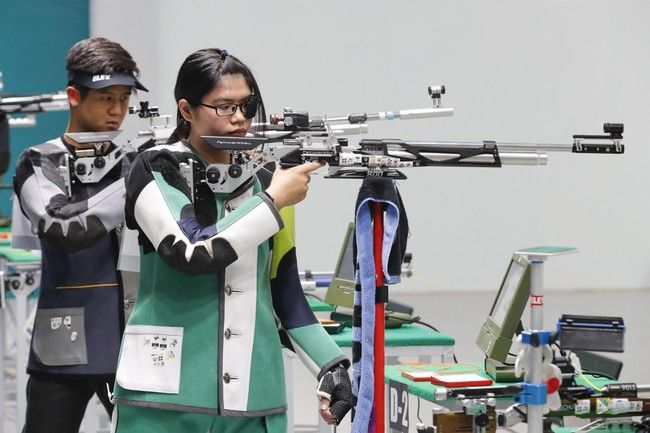
A U.S. congressman filed legislation to reclassify air-powered guns as regulated firearms under federal law, forcing them through the same licensing, registration, and background-check pipeline as traditional centerfire and rimfire guns. Air rifles—which range from low-power target models to high-velocity hunting platforms—currently operate in legal ambiguity at the federal level. The move targets guns that many shooters use as affordable entry-level training tools.
Key Details
- Air guns span a wide spectrum: some are genuinely toy-grade, others deliver significant velocity and power suitable for hunting small to medium game.
- Cost barrier is minimal compared to powder-burning rifles, making air guns popular starter platforms for shooters of all ages.
- Experienced shooters regularly use air rifles for low-recoil, low-cost target practice without range time constraints.
- Current federal classification does not treat air guns as firearms, leaving regulation primarily to state and local authorities.
Why It Matters for Gun Owners
Reclassifying air rifles federally would fundamentally disrupt the affordable entry pathway many new shooters use to develop marksmanship fundamentals. If air guns require FFL transfers, background checks, and registration like traditional firearms, the cost-to-entry and administrative burden would spike sharply. This affects competitors who rely on air rifles for off-season training, parents introducing children to shooting sports, and budget-conscious shooters managing range costs. States with existing air-gun regulations would face conflicts with federal classifications. Shooters in states that already restrict air guns more heavily—or classify certain models as firearms—could see federal action bootstrap those restrictions nationwide, eliminating the current state-by-state variance that allows flexibility in purchasing and possession.
DownRange Analysis
This bill faces two major obstacles: the current Supreme Court framework from New York State Rifle & Pistol Association v. Bruen requires historical grounding for firearm regulations, and air guns lack the constitutional pedigree of powder-driven arms. Second, the practical enforcement problem is significant—air guns are manufactured globally and sold through retailers that do not currently maintain FFL licenses. Forcing compliance would require either a massive regulatory overhaul or exemptions that undermine the bill's stated purpose. Gun owners should monitor co-sponsors and committee assignment; early tracking prevents surprise movement in a lame-duck session. The proposal signals anti-gun appetite to expand the regulatory definition of "firearm," which could set precedent for other technologies later.