Arizona Lawmakers Require Legislature Vote to Close State Shooting Ranges
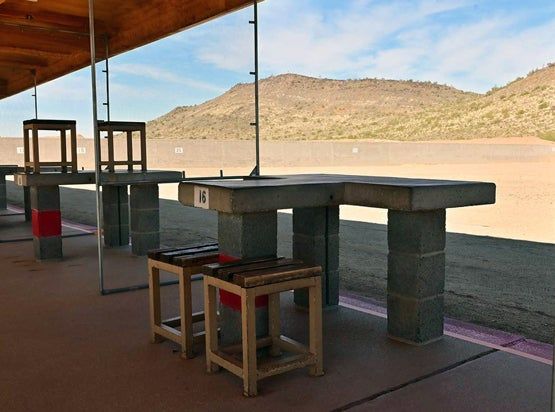
Arizona has enacted new legal protections that mandate legislative approval before any state-owned public shooting range can be closed. The law specifically shields Ben Avery Shooting Facility and similar ranges operated by the state. Previously, administrative decisions alone could trigger range closures. The change transfers that authority to the legislature, requiring lawmakers to vote on any proposed shutdown.
Key Details
Ben Avery Shooting Facility remains Arizona's primary public range and a critical training resource for shooters across central Arizona. The legislative protection applies to all state-owned ranges, not just Ben Avery. This requirement prevents a single agency head or governor from unilaterally closing shooting facilities. Future closure attempts must pass through the full legislative process, giving gun owners and their representatives a formal voice in the decision.
Why It Matters for Gun Owners
Arizona shooters just gained institutional protection against range closures driven by political pressure or administrative whim. Public ranges serve critical functions: they're where beginners learn safety, competitors train, and gun owners practice marksmanship without private club fees. Ben Avery specifically handles thousands of Arizona shooters monthly. With this law, range access can't vanish overnight through a bureaucratic memo. Gun owners now have time to organize, testify, and vote on any closure attempt. For out-of-state shooters visiting Arizona, the stability of public-access ranges matters—it's the difference between finding a legal place to shoot or being locked out entirely.
DownRange Analysis
This is sound legislative strategy. Rather than relying on court battles under Bruen to fight a closure, Arizona locked down the mechanism beforehand. California and New York have systematically eliminated public ranges; Arizona has chosen the opposite path. The requirement for legislative approval creates friction—the intended kind. Activists seeking to close ranges now face voters, campaign contributions, and public testimony. Gun owners should monitor their state legislators' voting records on range issues. This model works because it decentralizes power: a range closure becomes a legislative question, not a bureaucratic one. Other pro-2A states should replicate it.