NRA, NSSF Challenge Illinois 72-Hour Waiting Period in Federal Court
The National Rifle Association, National Shooting Sports Foundation, Illinois State Rifle Association, and several Illinois gun dealers and private citizens filed a federal lawsuit targeting the state's 72-hour mandatory waiting period for all gun sales. The coalition argues the delay violates Second Amendment protections established under District of Columbia v. Heller and reinforced by New York State Rifle & Pistol Association v. Bruen. Illinois imposed the waiting period statewide, requiring all purchasers to wait three days before taking possession of any firearm, regardless of background check status or prior ownership history.
Key Details
- Plaintiffs include the NRA, NSSF, Illinois State Rifle Association, unnamed gun sellers, and individual gun owners challenging the state law in federal court
- Illinois law requires a mandatory 72-hour waiting period for all firearm purchases with no exceptions for repeat buyers, licensed dealers, or expedited transfers
- Challenge relies on Heller and Bruen precedent, arguing waiting periods impose unconstitutional delays on lawful firearm acquisition
Why It Matters for Gun Owners
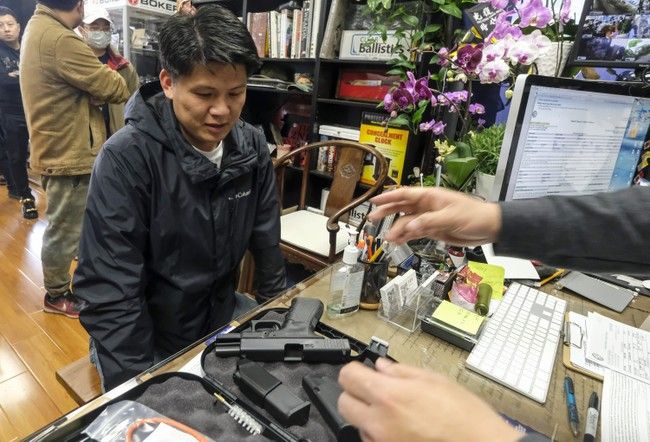
Illinois gun buyers currently face a hard three-day wait from purchase to possession, even if their background check clears the same day. This affects anyone buying a firearm in-state—whether a first-time buyer, someone replacing a stolen gun, or a shooter picking up a new competition rifle. The lawsuit directly challenges whether states can impose blanket delays without showing they serve a compelling governmental interest or pass strict scrutiny. If successful, it could force Illinois to eliminate or significantly modify the waiting period, setting precedent for other states with similar laws. Gun owners in Illinois should track this case; plaintiffs seek injunctive relief that could restore same-day or next-day transfers for those who pass background checks instantly.
DownRange Analysis
Under Bruen's text, history, and tradition framework, waiting periods face real constitutional pressure. The law requires government to justify restrictions through historical analogs—blanket multi-day delays didn't exist in 1791 or 1868, making them difficult to defend as traditionally rooted. Illinois will argue public safety and cooling-off periods, but Bruen explicitly rejected interest-balancing tests. This case lands in friendly procedural territory with named plaintiffs (gun owners with standing) and established organizational backing. Watch for a preliminary injunction motion; judges may halt enforcement while litigation proceeds. A win here sends shock waves through California, New York, and other states leaning on waiting periods to restrict access.