Nightfox Arctic Breaks $1,000 Thermal Barrier for Helmet Mounts
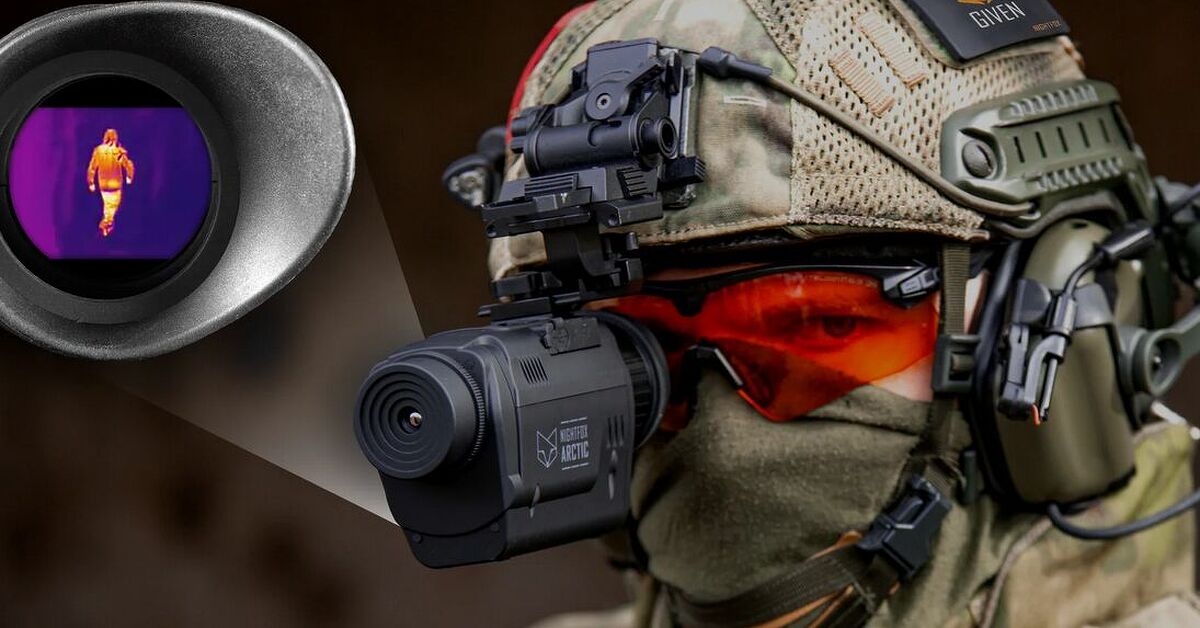
Nightfox launched the Arctic, a helmet-mounted thermal monocular designed to deliver performance below the $1,000 price point. Until now, budget thermal options forced users to compromise on frame rate, display resolution, or build quality—often all three. The Arctic targets shooters and hunters who want thermal capability without premium pricing or engineering tradeoffs.
Key Details
- Helmet-mounted form factor eliminates the need for handheld thermal devices in tactical or hunting applications
- Priced under $1,000, undercutting traditional budget thermal solutions that sacrificed performance specs
- Addresses frame rate, display quality, and structural durability—areas where cheaper alternatives traditionally fail
- Fills a documented market gap between entry-level handhelds and professional-grade thermals
Why It Matters for Gun Owners
Thermal optics have shifted from specialty tools to practical equipment for serious shooters. Until the Arctic, sub-$1,000 helmet mounts meant accepting 30Hz refresh rates, dim displays, or plastic components that fail after a season. Hunters tracking coyotes or hogs in darkness gain a hands-free solution. Tactical competitors and low-light precision shooters get thermal capability that doesn't drain a second mortgage. Night vision has its place, but thermal cuts through fog, rain, and vegetation without IR illumination that announces your position. This product forces the market to justify premium pricing on established names.
DownRange Analysis
The thermal market has been stratified: sub-$500 garbage or $3,000+ professional units. A $1,000 helmet-mounted thermal that doesn't compromise on frame rate or build integrity reshapes what shooters expect to pay. If the Arctic delivers on those promises, competitors will feel pressure to justify their pricing or get aggressive on features. Real-world testing will determine if this is genuine innovation or marketing copy. Gun owners should request independent frame-rate data, thermal sensitivity specs (NETD), and user feedback from the first production run before committing. Market consolidation around $1,000 for solid mid-tier thermals benefits shooters and forces older manufacturers to justify their cost.