Judicial Stay Expires: Suppressors Now Legal Without Form 4
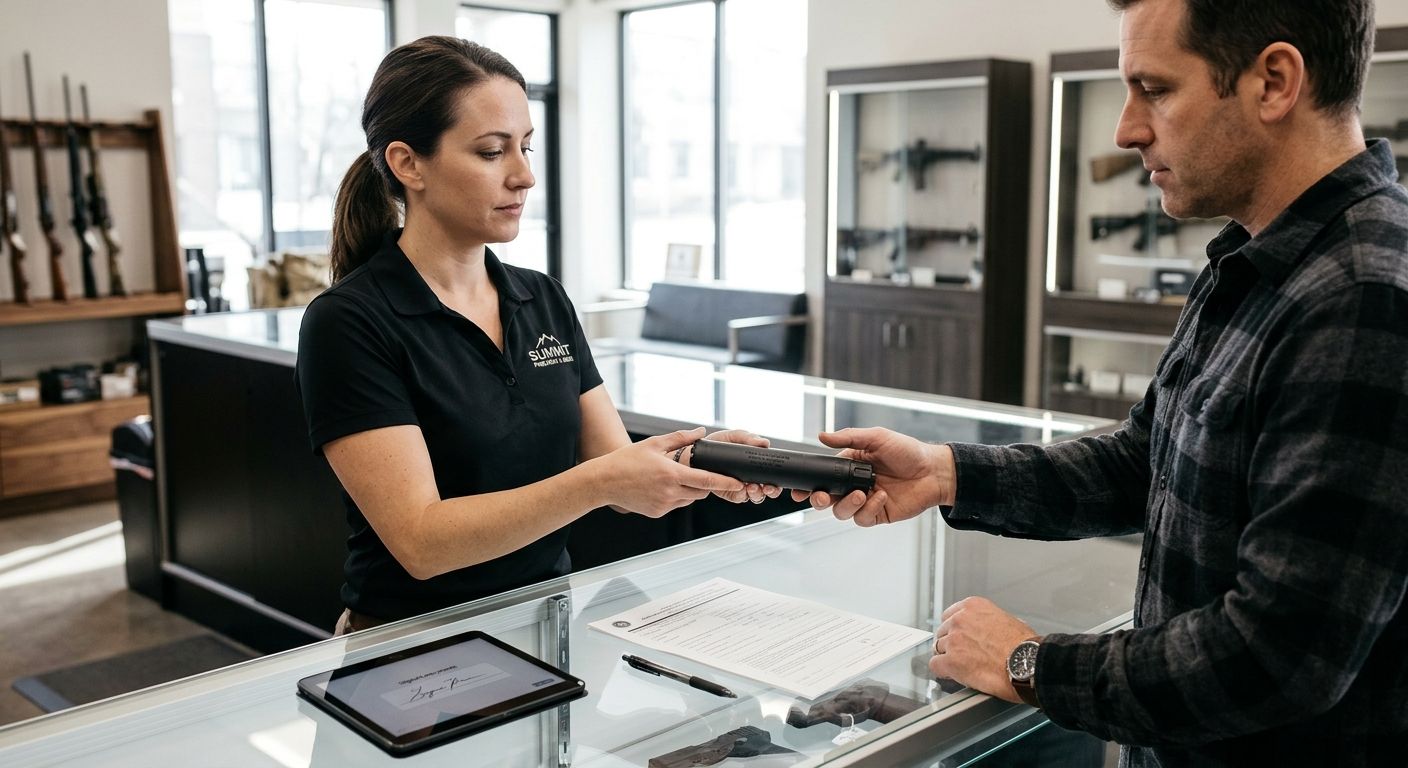
The midnight expiration of a judicial stay on August 13, 2026, cleared the way for suppressors to be sold without ATF Form 4 registration in states that permit the transaction. The Silencer Shop Foundation v. ATF ruling created a direct pathway for qualifying buyers to purchase sound suppressors while the litigation continues. Gun owners across multiple states are now facing new questions about eligibility, state compliance, and remaining paperwork requirements.
Key Details
The stay expired at midnight on August 13, 2026, ending the temporary freeze on suppressor sales without federal registration. The Silencer Shop Foundation brought the case against the ATF, challenging the Form 4 requirement itself. States that already permitted suppressors under state law became immediately relevant. Qualifying buyers—the exact definition depends on state law and the ruling's scope—can now complete purchases without the traditional federal registration step. Some paperwork may still be required at the point of sale, but the ATF registration requirement no longer blocks the transaction in compliant jurisdictions.
Why It Matters for Gun Owners
This ruling eliminates a bureaucratic and financial barrier that suppressor buyers faced for decades. The Form 4 process historically required months of paperwork, fingerprinting, and a $200 tax stamp—a significant friction point for lawful purchasers. Gun owners in states that already allow suppressors (including most states with exceptions like California, New York, and Delaware) can now acquire sound suppressors faster and with lower administrative burden. Competitors, hunters, and shooters protecting hearing now have a clearer path to legal suppressor ownership. However, state-level restrictions remain in effect: California still prohibits suppressors entirely, and some states may impose additional requirements. Check your state's specific statute before purchasing. The practical impact varies dramatically by jurisdiction, so verification before a transaction is essential.
DownRange Analysis
This ruling reflects the post-Bruen judicial appetite to strip regulations lacking historical foundation. The ATF's Form 4 requirement—rooted in 1934 National Firearms Act language, not 18th-century suppressor law—fails the originalist test courts are now applying. Suppressors have no bearing on public safety metrics that would survive intermediate scrutiny, and the Silencer Shop Foundation successfully argued the registration scheme violated the Second Amendment. Gun owners should expect the suppressor market to accelerate and prices to stabilize lower. The ruling does not override state bans; federal permission without state permission still means no purchase. Verify your state law, confirm dealer eligibility in your jurisdiction, and move quickly if you're in a compliant state—legislative backlash or subsequent challenges remain possible.