A 1:8 Twist 22 Creedmoor Opened to 6 Inches at Zero Degrees
Outdoor Life Guns published a deer-ammo guide for the 22 Creedmoor on November 9, 2026, and the most important part of it is a cold-weather warning. The author's rifle, with a standard 1:8 twist barrel, printed 20-shot groups under an inch with Hornady's 80-grain ELD-X at about 28 degrees Fahrenheit and 1,000 feet of elevation. Later, at 0 degrees, the same bullets opened to nearly 6 inches at 100 yards. That single data point matters more than any list of recommended loads. A cartridge that shoots tight groups in warm weather can fall apart when the temperature drops, and deer season runs right into that window.
Key Details
The guide covers five factory loads the author tested for accuracy and velocity. Several specifics stand out:
- Standard twist: The 22 Creedmoor's standardized rate is 1:8. The author says that twist handles lighter, fragile bullets at high velocity but does not always stabilize heavy-for-caliber bullets in the 80-plus-grain range.
- Cold-weather drop-off: Beyond 600 yards at 28 degrees, bullets dropped noticeably more than they had a few days earlier in warmer air.
- Varmint warning: The author advises against varmint-specific loads. He cites Hornady's 62-grain ELD-VT, which Hornady reportedly moved to a 69-grain bullet after coyote hunters saw more animals running after hits from the 22 Creedmoor.
- 80-grain ELD-X: The bullet has a lead core, a mechanical internal locking ring, and Hornady's heat shield tip with DRVT. It stays above 2,000 fps past 600 yards in the 22 Creedmoor, and it carries a thicker jacket to control expansion above 3,000 fps.
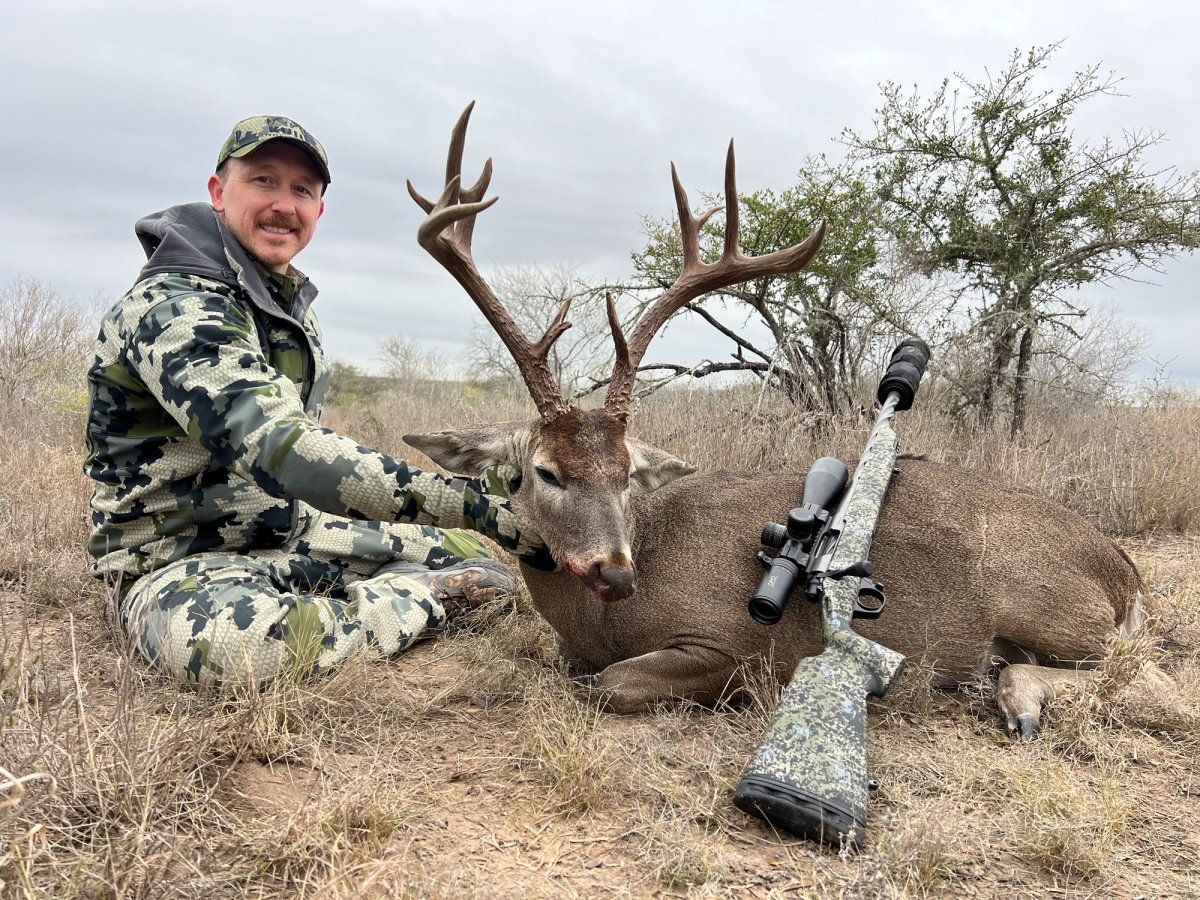
- Field results: A whitetail buck shot with the 80-grain ELD-X from a .223 was quartering away and took a bullet through the front shoulder that exited halfway back the ribs. The author also reports a black bear shot from about 15 yards with a 22 ARC, where the bullet stopped under the offside hide after roughly 18 inches of penetration.
- Barrel preference: The author says the 80-grain ELD-X works best in a 1:7 twist barrel.
- Match ammo: Hornady does not recommend its 80-grain ELD-M match load for deer. The author says a close relative, the ELD-M, is also an option, though he prefers the ELD-X.
- Industry note: Hornady brought the cartridge to SAAMI for standardization and offers the widest range of factory loads. Derrick Ratliff of Horizon Firearms is credited as a major force in bringing the 22 Creedmoor to the commercial market.
Background
The 22 Creedmoor arrived as part of a wave of .22-caliber cartridges built around long, heavy-for-caliber bullets with high ballistic coefficients. The 22 ARC shares that design philosophy and was developed with the AR-platform shooter in mind. Both cartridges took a different route from the older .22 centerfire varmint rounds. Shooters have taken deer with the .220 Swift, .22/250 Remington, and .223 Remington for decades, usually with heavier, purpose-built bullets and sometimes with faster twist rates. Varmint bullets, by contrast, were designed to disintegrate on impact. That construction helps on small, thin-skinned targets but costs penetration on something the size of a whitetail.
The 1:8 twist became the 22 Creedmoor's standard because it handles the lighter bullets that dominate factory loads. Heavier bullets, especially those past 80 grains, demand more spin to stay stable, and that is where the cold-weather problem shows up. The author's experience suggests the margin on those heavier bullets narrows as air density and temperature change. Factory ammunition sellers have not yet filled the shelves the way they have for mainstream calibers, so buyers often have fewer choices than they would for a .308 or 6.5 Creedmoor.
Why It Matters for Gun Owners
Anyone hunting deer with a 22 Creedmoor should check their barrel's twist before they buy ammunition. A 1:8 barrel is common, but the 80-grain ELD-X the author favors performs better in a 1:7. Owners of 1:8 rifles who want heavy bullets should verify stability on a cold morning, not in a warm range session. The author's warning applies most to late-season hunters in cold, low-elevation country, where a missed group at 100 yards can become a wounded deer at 200.
State rules matter too. Many states set minimum caliber or bullet-diameter requirements for deer, and some restrict centerfire cartridges in the .22 class. Confirm the minimum rules for your unit or zone before you buy a box of ammo. Check the local regulations on minimum bullet weight and energy as well, since some states set those standards in addition to caliber. A legal rifle with an illegal load still produces a bad day in the field.
Finally, avoid varmint loads for deer. The coyote experience Hornady described shows that fragile bullets can look effective on paper and still fail to deliver consistent results on larger animals. Choose a bullet built to hold together through heavy bone and muscle.
DownRange Analysis
The core problem here is not the bullet. It is the twist. A 1:8 barrel is a compromise designed around lighter bullets, and the author's cold-weather test confirms that heavy-for-caliber bullets lose margin when conditions change. That does not make the 22 Creedmoor a bad deer round. It means the rifle and ammo must be treated as one system. A load that groups under an inch in May may tell you nothing about January.
Market-wise, factory ammo choice remains narrow. Hornady dominates because it brought the cartridge to SAAMI and produces the widest range of loads. Buyers should expect fewer options and plan accordingly. Before the season, run a chronograph and a full cold-weather group. Shoot 20 rounds at the temperatures you expect, log the results, and keep the data with the rifle. If the groups open up, change the bullet or change the barrel. Do not hope the problem disappears in the field.