Indiana Hunters Can Take Deer With 10mm — Start With Longshot
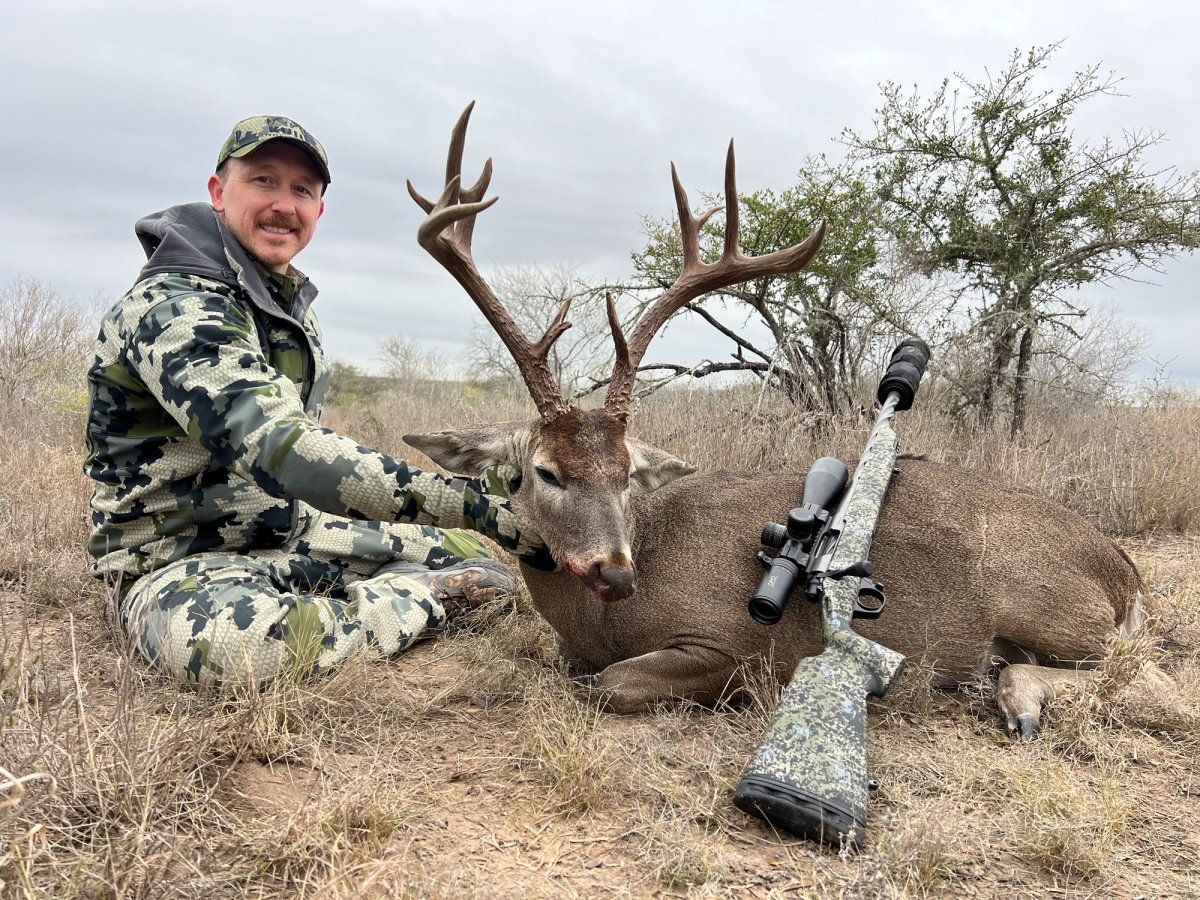
Indiana lets hunters take whitetail with a 10mm, provided the handgun has a barrel at least 4 inches long or the 10mm runs in a carbine, and the bullet is a jacketed hollow point or jacketed soft point. That rule opens the door for a handgun hunter who wants a modern semi-auto on a deer stand. A writer at TTAG who has reloaded since the late 1970s is testing that path with a Springfield XDM Elite, a High Point carbine, and a handload built around Longshot powder. He is not leaving the rifle behind. He wants the handgun for close shots and the .308 for anything past roughly 75 to 100 yards.
Key Details
The handloader spent decades hunting with a 1982 Smith & Wesson Model 629 chambered in .44 Magnum, with an 8 3/8-inch barrel and original wood grips. Over those years he favored cast-bullet handloads and kept velocities near 1100 fps to protect the revolver. His best-known shots came at 77 yards with a 5.5-inch Ruger Blackhawk in .45 Colt, and at a tape-measured 104 yards with a factory .44 Special load.
- Indiana legal 10mm setup: barrel of 4 inches or longer, or a carbine, firing JHP or JSP bullets
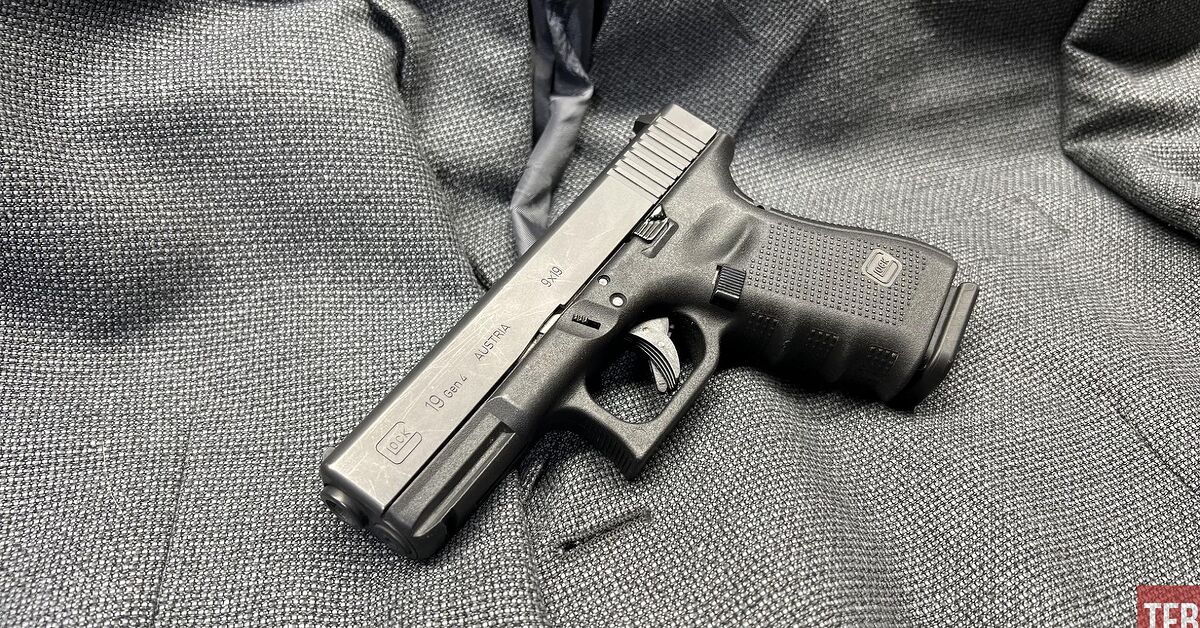
- Springfield XDM Elite with a 4.5-inch barrel, weapon light, and red dot
- High Point 10mm carbine as a second option
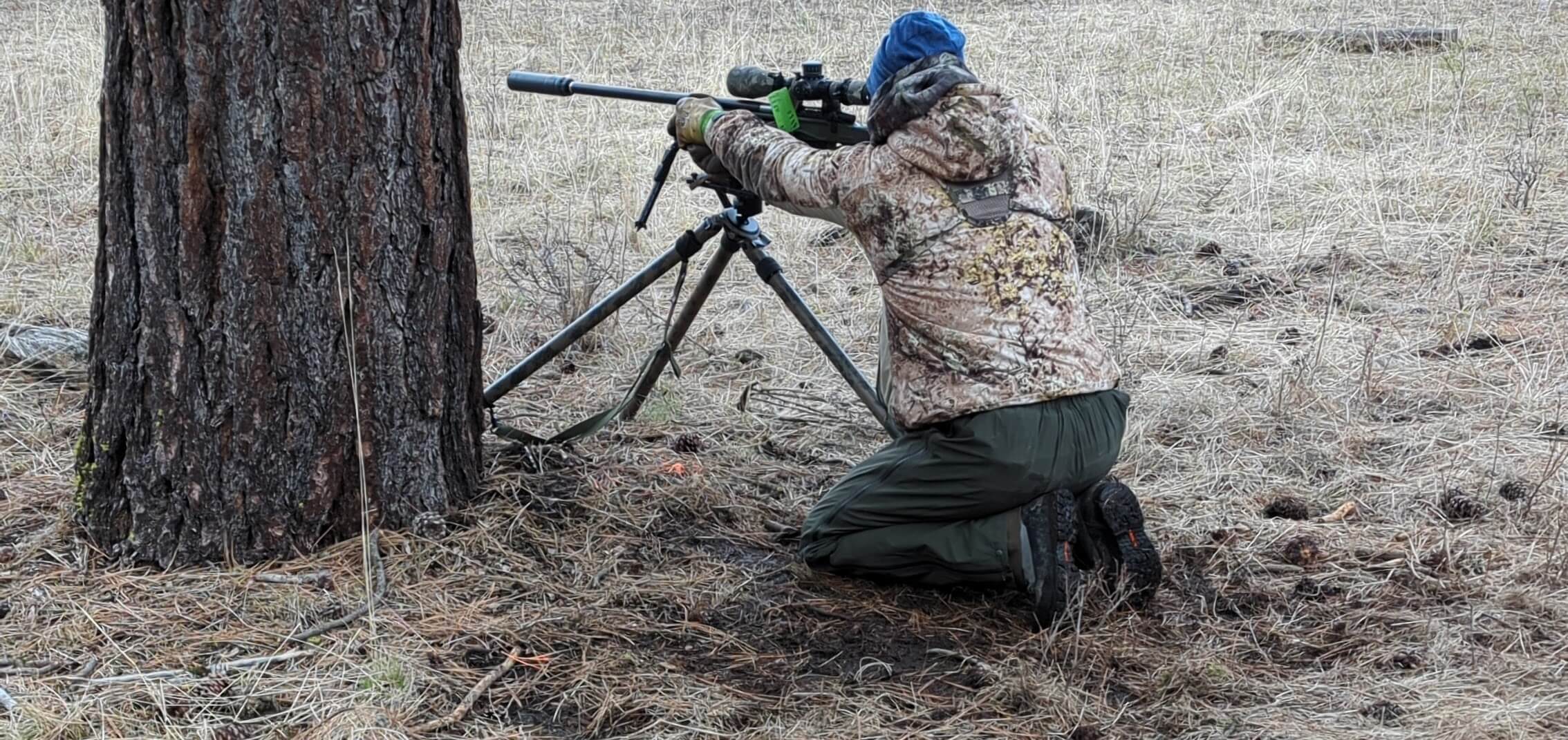
- Ruger Scout .308 as the long-range backup, with a Falco left-hand chest holster for the XDM
- Common 10mm bullet weights: 150 to 200 grains
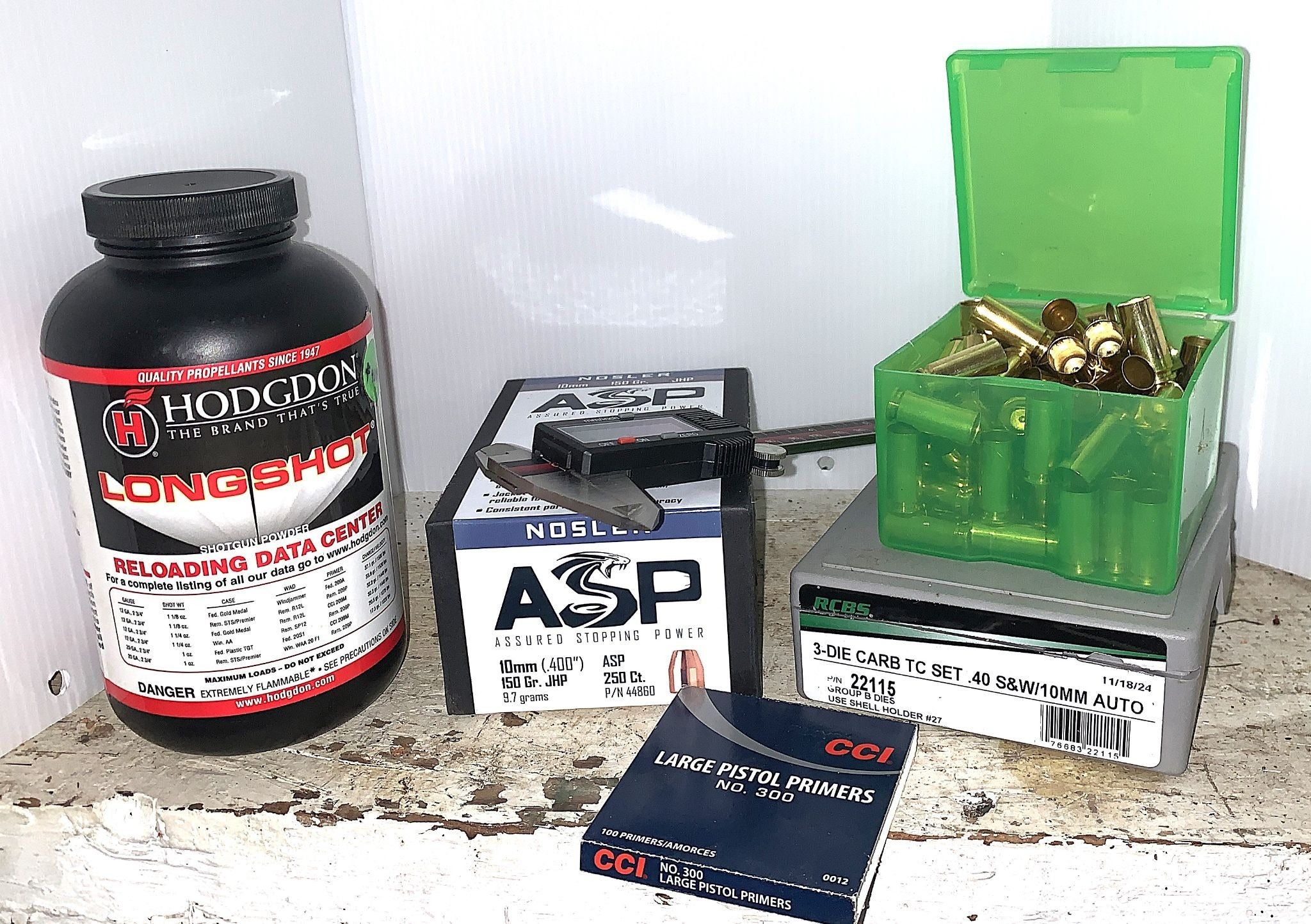
- Raven Rock Precision supplied 10mm bullets and brass for testing
- RCBS 10mm dies on a turret press
- Longshot placed at #53 on an Accurate Powder burn rate chart, versus Unique at #32 and Hodgdon Universal at #33
- Unique dates to 1900 and became hard to find in the author's area
- Georgia Arms .44 Special, 240-grain JHP, just over 1100 fps in a Smith & Wesson revolver
The author estimates fewer than 1% of Indiana hunters use a handgun for deer. He calls handgun hunting effective within about 100 yards. He also notes his own range estimates ran short by 29 yards on that 104-yard doe.
Background
The 10mm Auto arrived in 1983, built for the Bren Ten pistol and loaded to full-power levels that exceeded the 9mm and .40-class cartridges of the era. The FBI adopted a 10mm load in 1989 for its agents. Agency concerns about recoil and control led to a reduced-power loading that many shooters later called the .40 S&W. The full-power 10mm stayed popular with hunters and handloaders, who use it for deer and bear.
Alliant Unique has long served as a general-purpose handloading powder across many calibers. Its burn rate lets reloaders stretch one canister from pistol to rifle, and the author relied on it for years. When Alliant powders disappeared from his local shelves, he tested substitutes. Longshot, a shotgun powder by its original design, sits slower on the burn rate chart than Unique and Universal, which the author says gives it more range of use across handgun loads. Indiana's deer rules have not changed to match the 10mm's growing use, so hunters should check the current regulations before the season.
Why It Matters for Gun Owners
If you hunt Indiana and carry a 10mm, measure your barrel before you buy the deer tag. A compact 3.5-inch pistol falls outside the legal line, even though the same cartridge works fine in a longer gun. The bullet type matters too. Full metal jacket bullets do not qualify under the Indiana rule the author cites, so a practice load will not do double duty in the woods.
The load also needs real data behind it. Longshot is a slower-burning powder than many handgun favorites, so a load that runs hot in one barrel can run mild in another. Start from published data for your bullet weight, verify overall length with a comparator, and work up in small steps. Watch for pressure signs in your brass and your gun.
Practice at the distances you plan to shoot. Most deer will show at 25 to 60 yards. Shots past 100 yards belong to a rifle. Pair the pistol with a holster that carries your light and optic without snagging on tree stand gear. Gun owners who hunt in other states should check their own barrel and bullet rules, because many states write deer caliber limits in ways that differ from Indiana.
DownRange Analysis
Hunting regulations do not sit inside the Bruen framework the way carry and possession laws do. Bruen asks whether the Second Amendment's text covers conduct and whether the government can justify a regulation with historical analogues. A state rule on deer caliber and barrel length is a wildlife regulation. Courts have not treated these rules as Second Amendment questions, and no one should expect a challenge to succeed on that theory.
The market signal is clear. Handgun hunting keeps growing, and 10mm guns from Springfield, High Point, and others fit that niche. Buyers who want a deer-capable handgun should weigh barrel length against carry size before they buy. A 4.5-inch pistol with a light and optic makes sense for a stand. It can be a poor pick for a concealed carry gun.
What should you do right now? Pull the current Indiana hunting guide and confirm the barrel and bullet language. Load to published data and keep notes on every lot. Test at 25, 50, and 75 yards from a rest and from field positions. Carry a rifle for the shot you cannot make cleanly. A handgun earns its place in the deer woods only when the shooter can place the bullet every time.