Army Deploys M7 Next Generation Squad Weapon to Pacific Units
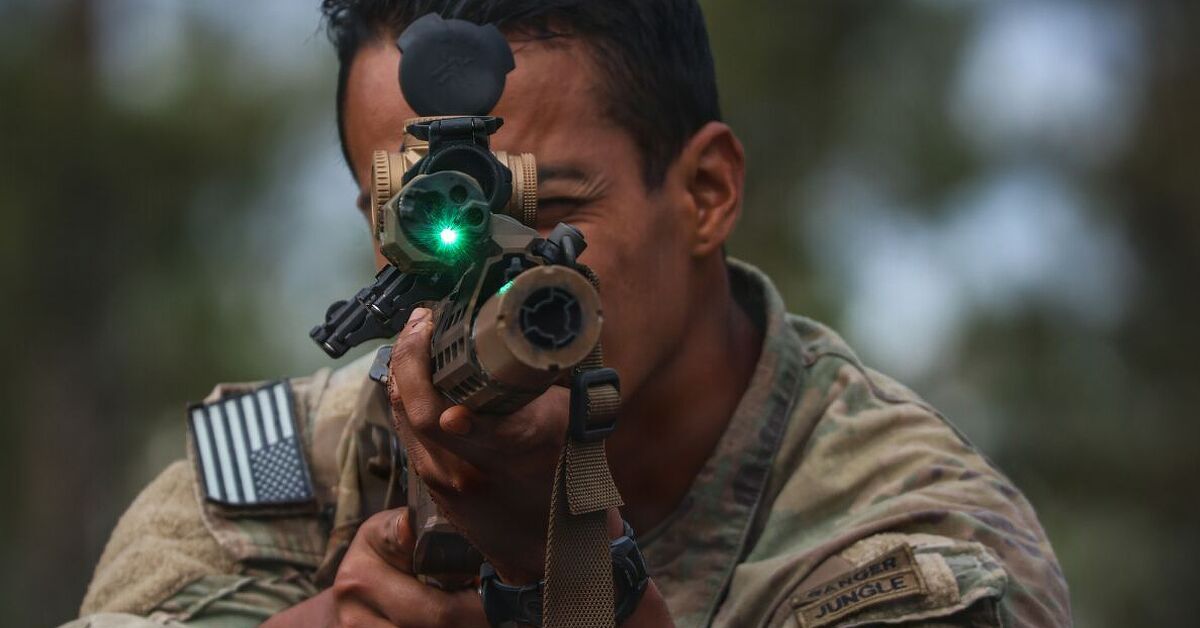
The U.S. Army has begun fielding the M7 Next Generation Squad Weapon to operational units stationed in the Pacific. The 2nd Battalion, 21st Infantry Regiment received the new rifle as part of the Army's transition away from the M4 carbine. This marks a significant shift in how front-line soldiers will engage targets downrange.
The M7 fires the 6.8x51mm NATO cartridge—substantially more powerful than the 5.56 NATO round currently issued. The new round delivers increased velocity and energy at distance. Soldiers must learn ballistics, handling, and field maintenance specific to this platform. Familiarization doesn't happen overnight, especially for units tasked with near-peer readiness against near-peer adversaries.
Why It Matters for Gun Owners
The Army's adoption of 6.8x51mm NATO has direct implications for civilian shooters and ammunition availability. Military adoption typically drives commercial ammunition manufacturers to develop and scale production. As more units receive the M7, demand for 6.8x51mm ammunition will increase across military supply chains.
The M7 itself represents a fundamental change in doctrine. The rifle's longer effective range and increased lethality suggest the Army expects future conflicts to unfold at greater distances than recent operations. This shift mirrors discussions among civilian shooters about intermediate cartridges and their real-world advantages over 5.56 NATO.
For daily carriers and serious shooters, the M7's introduction validates arguments for higher-powered rifle platforms. The Army doesn't adopt weapons casually. This decision reflects lessons learned and future threat assessment. Civilian manufacturers are already producing 6.8x51mm rifles and ammunition, giving shooters options previously unavailable.
Resale value and parts compatibility matter too. As the M7 proliferates through military units, surplus components may eventually reach the civilian market. Used military-grade parts drive aftermarket development and lower costs across the board.
Background
The Next Generation Squad Weapon program began years ago. The Army recognized that the M4 carbine, despite decades of reliability, couldn't match modern rifle capabilities at extended ranges. Soldiers in Afghanistan and Iraq frequently engaged targets beyond the M4's effective range. That gap created a real-world problem: the enemy got shots off before American soldiers could return effective fire.
The M7 and its associated XM250 squad automatic rifle both fire 6.8x51mm NATO. This commonality simplifies logistics and training. One cartridge type means one supply chain, one set of ballistic tables, and faster ammunition resupply in the field.
Development took years. Testing was rigorous. The Army tested competing designs from multiple manufacturers before selecting the XM5 platform (now designated M7). Soldiers provided feedback at every stage. This wasn't a political decision—it was driven by operational requirements.
Initial fielding focuses on units in the Pacific, where near-peer competition with China is most acute. The Army wants experienced feedback before full-scale deployment. Combat readiness in the Pacific theater means soldiers must master new rifles under realistic conditions.
DownRange Bottom Line
The M7 represents the biggest rifle change for U.S. Army soldiers in decades. The Pacific deployment signals serious intent to upgrade front-line capabilities. For civilian shooters, this validates 6.8x51mm NATO as a serious cartridge. Ammunition availability will only improve as military adoption spreads.
Watch for surplus M7s entering the civilian market years down the road. The transition from M4 to M7 means millions of older rifles will eventually leave military inventory. That's opportunity for shooters who want military-grade rifles with proven track records.