Colt Combat Commander Combines Vintage 1911 Style With Today's Reliability
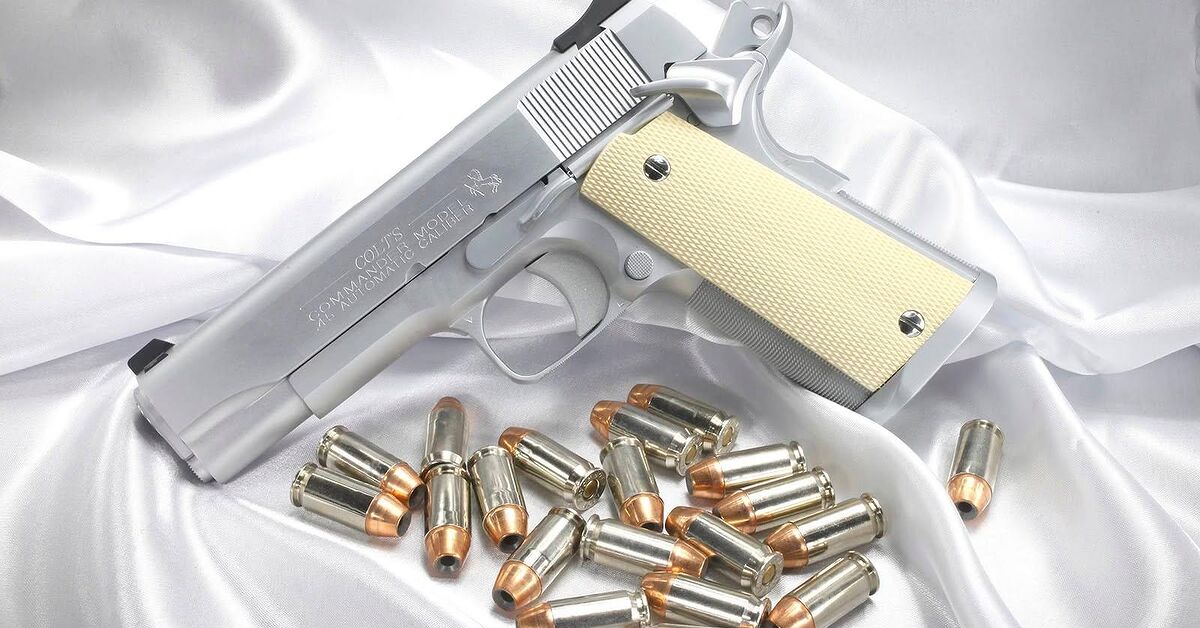
A Colt Combat Commander build proves the 1970s 1911 formula still works. The "White Satin" example pairs satin hard chrome finish with squared trigger guard geometry and modern performance features. This isn't nostalgia—it's a working gun that borrows proven design language from the era when the Commander dominated duty and competition.
The frame carries vintage touches: squared and checkered trigger guard typical of 1970s Colts, natural wood grips, and period-correct proportions. Stan Chen Gen 2 magwell installation adds practical speed to reloads without sacrificing the classic lines. Hard chrome satin finish protects steel while avoiding the mirror polish that screams "safe queen."
Why It Matters for Gun Owners
The 1970s 1911 aesthetic isn't just visual preference—those guns ran hard and shot straight. The squared trigger guard improves grip angle and trigger reach. Checkering provides purchase without modern aggressive texturing that shreds hands and holsters. This build validates what practical shooters have always known: solid fundamentals matter more than trend-chasing features.
For daily carriers, the Commander size hits the sweet spot. A 4.25-inch barrel balances velocity against concealability. The .45 ACP round performs predictably in barrier-blind scenarios. Weight distribution feels right for strong-side appendix or hip carry. No light rail, no tungsten parts, no unnecessary complexity—just iron sights and a magwell.
Harrison Design & Consulting brought this gun to spec. Modern gunsmiths understand that authenticity requires precision, not approximation. The fit between frame and slide must be tight. The sear engagement must be repeatable. The barrel lockup must be consistent. Vintage aesthetics with loose tolerances produce unreliable guns that embarrass their owners.
The 1970s Commander Renaissance
Military and law enforcement agencies ran Commanders through the 1970s and into the 1980s. FBI field offices carried them. Secret Service agents carried them. They worked because the basic 1911 design, scaled down, still functioned with authority. Reliability data from that era remains relevant today.
Current interest in that look reflects deeper truth: feature bloat hasn't improved the 1911. Tactical rails, beavertail safeties, and ambi controls address problems most shooters don't face. The original recipe—tight tolerance, good sights, reliable operation—remains unbeaten.
Hard chrome satin finish earned its place during that same era. It resists corrosion better than blued steel. It's easier to maintain in field conditions. Satin (not mirror) finish reflects less light in operational scenarios and ages better than polished chrome.
DownRange Bottom Line
This build demonstrates that revisiting proven designs produces better results than chasing novelty. The Colt Combat Commander scaled the 1911 down without sacrificing reliability. Satin hard chrome finish works in the field. Squared trigger guards aren't decoration—they functionally improve shooting geometry.
If you carry a 1911, the design language matters less than the execution. A poorly executed vintage gun fails just like a poorly executed tactical gun. Harrison Design & Consulting clearly understands the difference, maintaining standards while respecting historical authenticity.
For shooters tired of argument-driven design trends, builds like this offer clarity: carry something reliable, shoot it well, maintain it properly. The 1970s got the formula right. Modern manufacturing just makes it easier to maintain those standards.