Norwegian Coast Guard Runs Arctic Gunex With Glock 17 P80 and HK416N
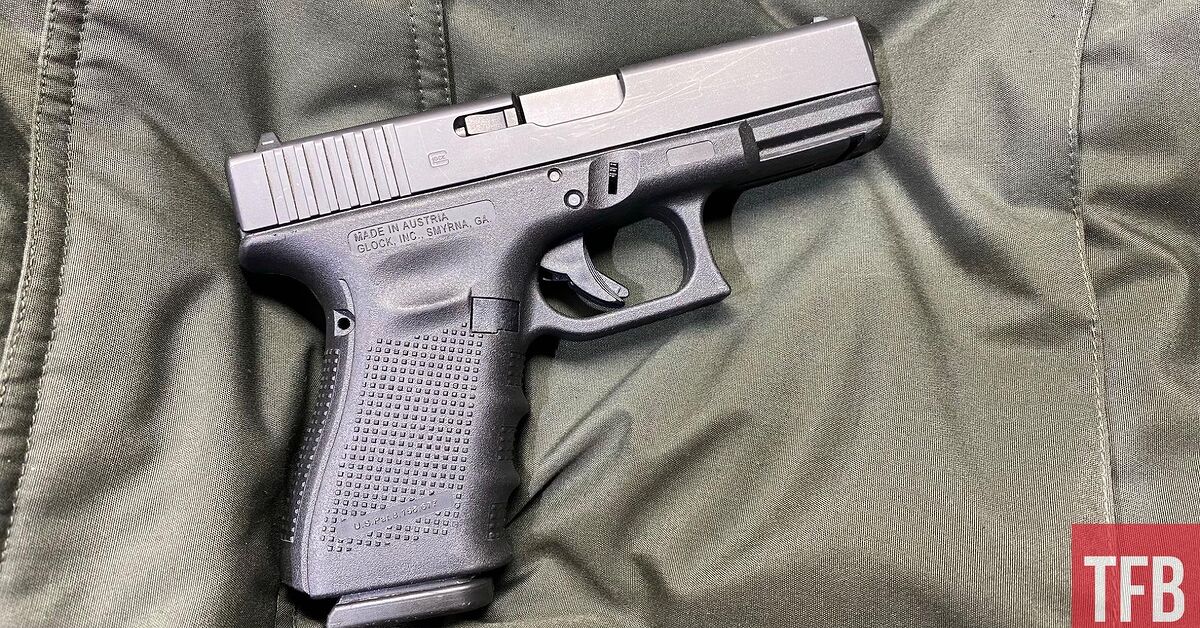
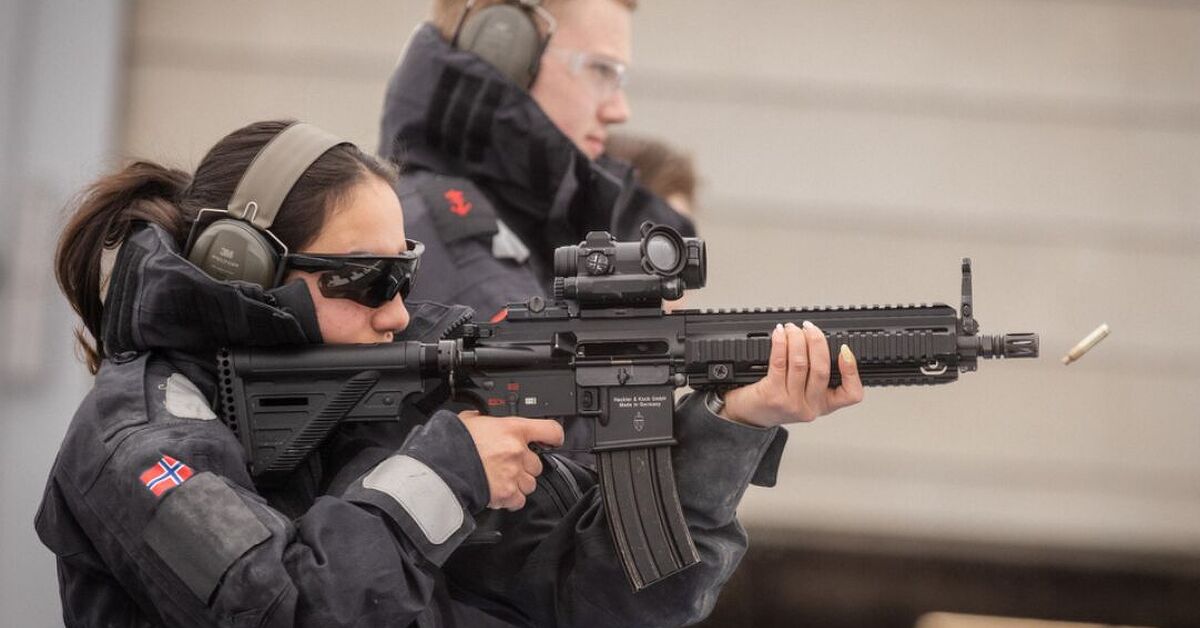
Norwegian Coast Guard personnel aboard the icebreaker KV Svalbard executed live-fire qualification exercises in the Barents Sea during mid-June, testing both the Glock 17 P80 and HK416N in Arctic conditions. The training event, designated GUNEX, verified crew competency with Norway's standard-issue sidearm and rifle platform under operational cold-weather stress. Photos from the exercise document live fire and weapon handling procedures aboard the vessel.
Key Details
- Weapons tested: Glock 17 P80 (duty sidearm) and HK416N (rifle platform)
- Location: Barents Sea, aboard KV Svalbard icebreaker
- Timing: Mid-June 2026 training cycle
- Exercise type: GUNEX (live-fire qualification and competency verification)
- Purpose: Cold-weather reliability testing under operational Arctic conditions
Why It Matters for Gun Owners
Cold-weather firearm performance remains a critical gap in most American shooters' training regimen. Norwegian Coast Guard personnel operate in some of Earth's harshest maritime conditions—sub-zero temperatures, salt spray, extended darkness cycles. Their qualification with standard duty weapons tells us the Glock 17 P80 and HK416N function reliably when arctic conditions degrade most commercial lubricants and ammunition performance. For U.S. carriers and cold-climate shooters, this real-world data point confirms both platforms handle extreme environments without modification or special ammunition. The Glock 17 P80 is the current Norwegian duty sidearm; HK416N rifles serve as primary infantry rifles for Norwegian Armed Forces. Neither platform required redesign or cold-weather variant to pass Arctic qualification.
DownRange Analysis
Arctic and maritime testing reveals what lab conditions cannot: functional reliability under sustained physiological and environmental stress. Norwegian Coast Guard personnel must maintain weapon competency while managing cold exposure, equipment stress, and fatigue. The fact both platforms qualified without deviation suggests modern polymers and steel perform predictably across temperature extremes. For American shooters in northern climates, this validates that factory Glock 17 and AR platforms handle winter deployment without costly modifications. The real lesson: gun owners in cold regions need cold-weather training discipline, not different guns. Train your existing platform in winter conditions. Your ammunition, lubricant selection, and manual dexterity matter far more than manufacturer claims.