PROOF Research Launches PXT Barrels to Fix Wear Problems Modern Ammo Created
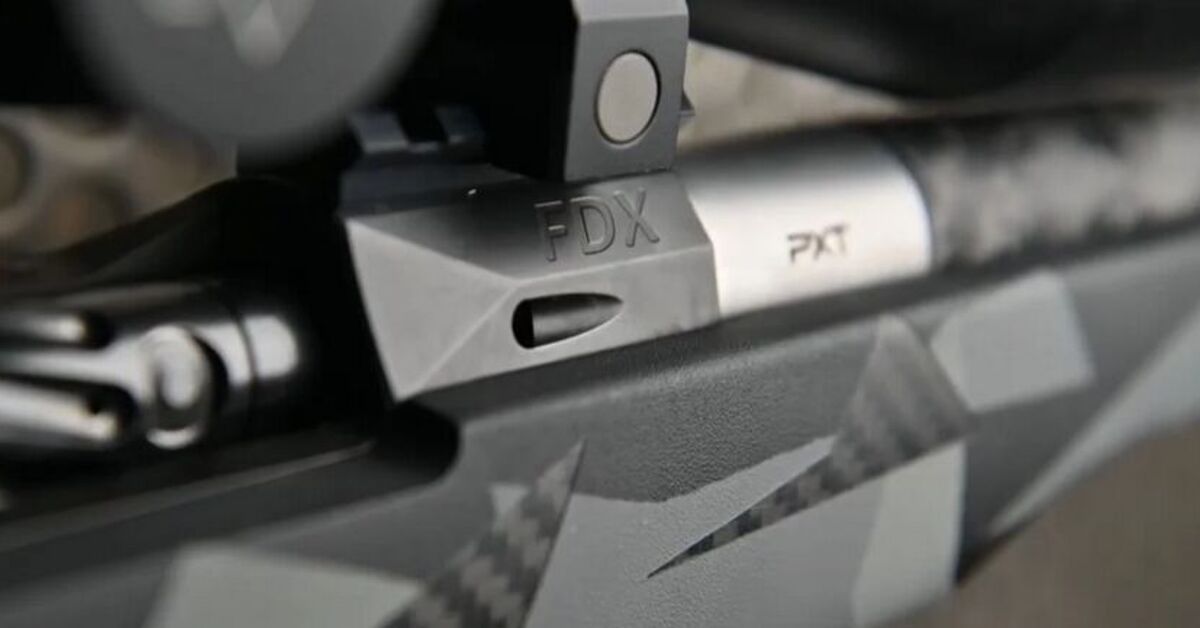
PROOF Research, based in Columbia Falls, Montana, announced PXT barrels—PROOF Exponential Twist—a new rifling design that changes twist rate progressively down the barrel bore. The company engineered PXT to solve real problems: accelerated rifling wear and inconsistent velocities that happen when modern ammunition runs pressure and velocity loads beyond what traditional constant-twist rifling was designed for. This isn't marketing speak. Shooters and reloaders have complained for years about velocity variation and rapid throat erosion in conventional barrels pushed hard. PROOF Research says their progressive twist profile stabilizes projectiles earlier in the bore while reducing the shear stress that tears up rifling.
Background and Context
Rifle barrel design hasn't fundamentally changed in decades. Gunsmiths and manufacturers have used constant-twist rifling—same spiral rate from chamber to muzzle—since the 1800s. That works fine for standard velocities. But modern ammo, especially magnum cartridges and high-BC match rounds, pushes 3,000+ fps regularly. Fast-burning powders and heavy projectiles generate pressure spikes conventional barrels weren't built to handle smoothly. PROOF Research, known for carbon-wrapped and premium steel barrels since the early 2010s, identified the wear pattern and developed PXT to spread that stress over a longer barrel section. Progressive twist systems exist in other industries, but PROOF claims their implementation solves specific issues centerfire hunters and long-range shooters face.
What This Means for Gun Owners
If you reload hot or shoot factory magnums hard, PXT barrels could extend barrel life by hundreds of rounds. That matters. A quality barrel costs $400–$800. Getting 500 extra accurate rounds before throat erosion kills precision saves real money. Shooters running .300 Win Mag, .308 Win, or 6.5 Creedmoor loads at the hot end will see the biggest benefit. Standard velocity shooters using conventional barrels see no real advantage. PXT barrels will likely cost more than standard PROOF barrels—no pricing announced yet. They'll be available for custom builds and as replacements for existing PROOF rifle systems. Gun owners should expect a 10–15% premium based on R&D cost.
Industry Impact
PROOF Research manufacturing capacity determines how fast PXT barrels reach the market. Custom gunbuilders who use PROOF barrels will stock PXT options immediately. Large manufacturers like Remington, Savage, and Seekins haven't announced PXT adoption yet, but expect inquiries. Barrel makers like Criterion, Lothar Walther, and Bartlein will watch closely to see if progressive twist gains traction. If PXT delivers on velocity consistency claims, competitors will develop rival systems within 18–24 months. The barrel market is competitive but not crowded at the premium end where PROOF operates.
What to Watch Next
Real-world long-range testing data matters most. PXT barrels need third-party validation—velocity spreads, group sizes, and throat wear rates compared head-to-head against standard barrels in identical conditions. PROOF will release customer testimonials and possibly lab data in coming months. Pricing announcement is critical; if PXT costs too much, adoption slows. Watch whether custom action manufacturers like Impact Precision or Zermatt Arms add PXT to their standard offerings. If major gunsmiths adopt PXT within six months, the technology gains credibility fast.
DownRange Bottom Line: PXT barrels solve a real problem for shooters pushing modern ammo hard. If testing confirms the velocity consistency claims, this is worth the extra cost. Wait for independent data before spending extra cash—PROOF Research's reputation is good, but the market moves fast and competitors will try to copy the concept. Don't chase new tech until shooters with 1,000+ rounds downrange report back.