Texas NFA Challenge Moves Forward With TSRA, NRA Support
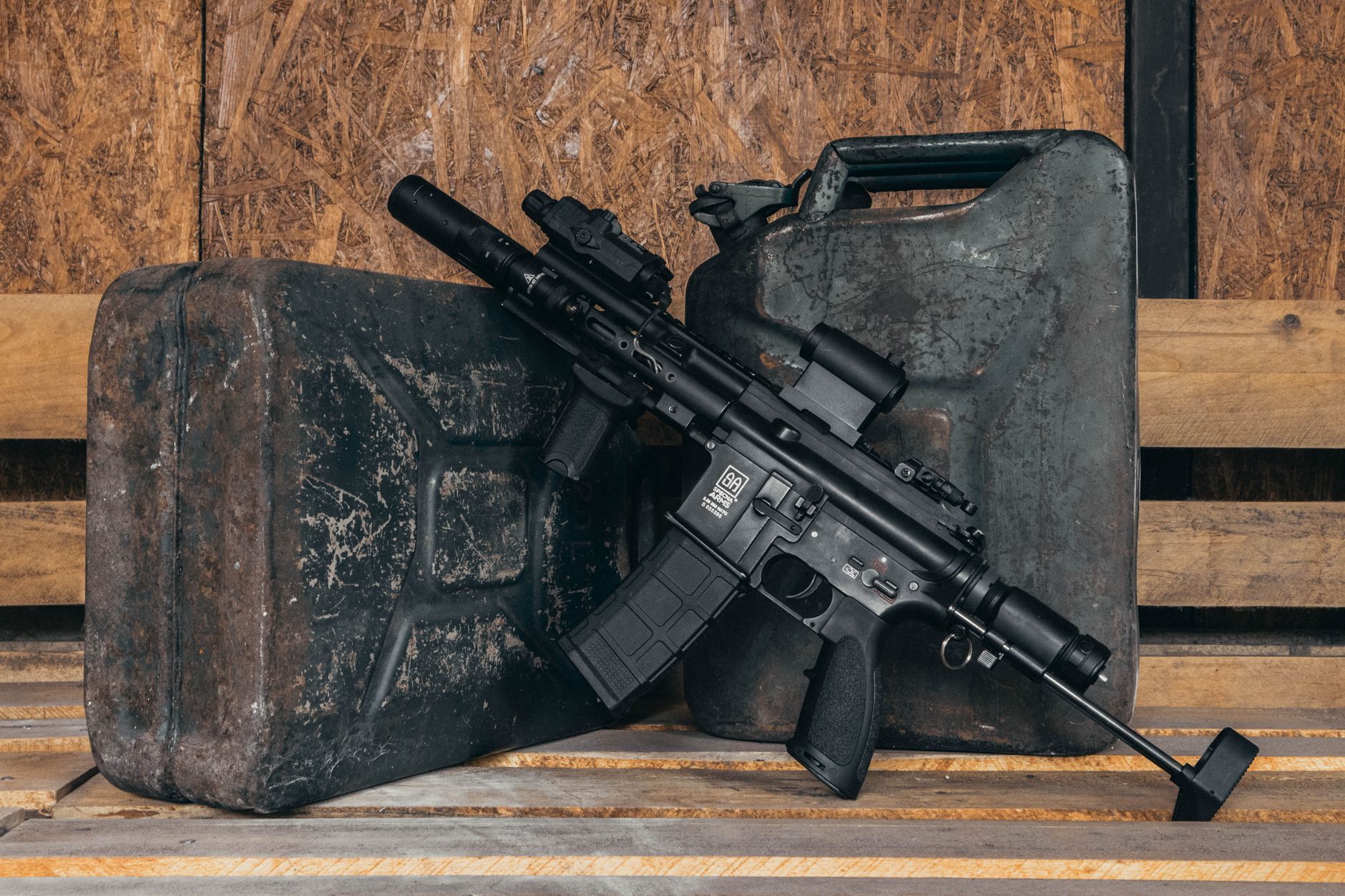
The Texas State Rifle Association and co-plaintiffs, supported by the NRA, filed litigation in U.S. District Court for the Northern District of Texas challenging the constitutional validity of the National Firearms Act. The case contests federal authority to regulate short-barreled rifles, suppressors, and other firearm categories under the NFA's restrictive framework. The suit represents a direct legal challenge to decades of federal firearms regulation following the Supreme Court's Bruen decision.
Key Details
- Filing occurred in the Northern District of Texas federal court
- Multiple plaintiffs joined the action with NRA organizational support
- TSRA serves as the named state affiliate plaintiff
- The challenge targets NFA restrictions on specific firearm types and configurations
- Case timing aligns with post-Bruen litigation strategy shift toward Second Amendment challenges
Why It Matters for Gun Owners
Texas gun owners now have direct representation in federal court challenging NFA authority over suppressors, short-barreled rifles, and other regulated items. If successful, the suit could eliminate or substantially reduce the $200 tax stamp requirement and the months-long approval process that currently delays ownership of these accessories and firearms. This matters to hunters using suppressors for hearing protection, tactical shooters running short-barreled ARs, and anyone frustrated by NFA processing delays. The Northern District of Texas has shown willingness to entertain Second Amendment challenges post-Bruen, making this venue strategically significant. Gun owners across Texas and potentially nationwide benefit from favorable precedent here.
DownRange Analysis
Bruen fundamentally changed NFA litigation by requiring courts to apply historical analysis rather than interest-balancing tests. The NFA's 1934 origins predate modern firearms and cannot easily survive text, history, and tradition scrutiny. TSRA's involvement signals the state organization sees real opportunity where previous challenges stalled under older constitutional frameworks. Success requires the court to find no historical precedent for taxing and registering civilian short-barreled rifles or suppressors. Expect the government to cite Hughes Amendment and other post-1986 restrictions as modern tradition—a weak argument post-Bruen. Monitor this case closely: a favorable ruling here creates circuit precedent and ammunition for broader NFA challenges nationwide.