Rep. Patronis Files Bill to Repeal 1986 Machine Gun Ban
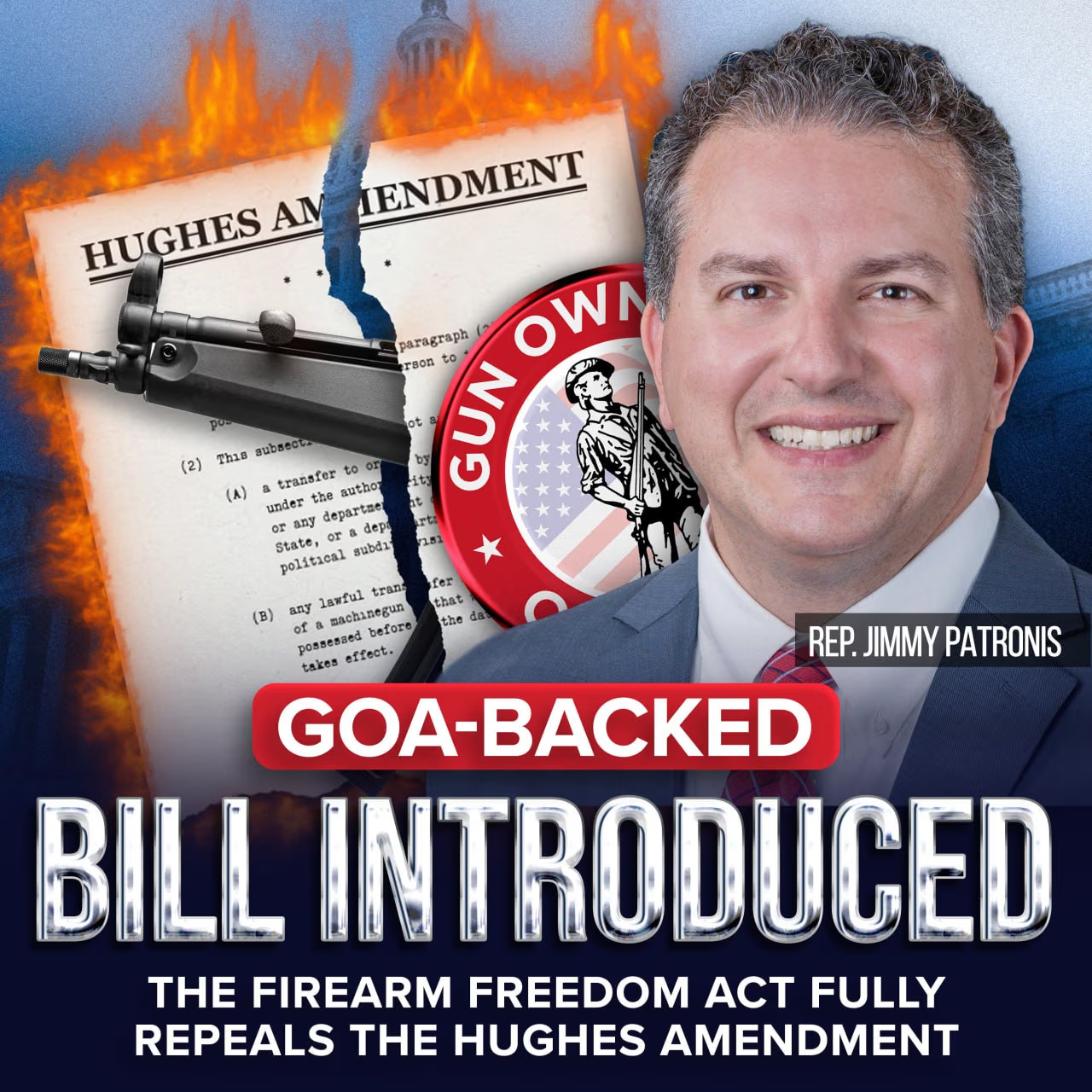
Rep. Jimmy Patronis filed the Firearm Freedom Act to repeal the Hughes Amendment outright. The 1986 law banned civilian ownership of any automatic firearm manufactured after May 19, 1986. Patronis's bill directly targets this 38-year-old restriction. If passed, it would restore legal access to newly manufactured machine guns for civilians. The current market for pre-1986 automatics operates under artificial scarcity, driving prices far beyond manufacturing costs.
Key Details
- Rep. Jimmy Patronis (R) introduced the Firearm Freedom Act as full repeal legislation
- Target: Hughes Amendment, enacted May 19, 1986—bans post-1986 automatic firearm sales
- Current civilian market limited to pre-1986 inventory only; prices artificially inflated by scarcity
- Repeal would restore manufacturing and civilian sale of newly produced machine guns
Why It Matters for Gun Owners
The Hughes Amendment created an artificial bottleneck. Pre-1986 registered machine guns now cost $10,000 to $50,000 depending on model and condition—prices driven entirely by legal scarcity, not manufacturing cost. Repeal would flood the market with legally manufactured automatics at competitive prices. Gun owners in constitutional carry states benefit most immediately. States with existing NFA restrictions (California, New York, Illinois) would still face parallel bans even if federal repeal passes. Serious owners should track this bill's committee assignment and co-sponsor list—sponsor count signals real momentum.
DownRange Analysis
Patronis's repeal bill follows the Bruen framework: machine guns are "arms" under the Second Amendment, and pre-1986 ownership precedent establishes historical legality. The Hughes Amendment was a midnight deal, not constitutional analysis. However, court challenges matter more than congressional action here. Recent Bruen cases show courts willing to strike weapons bans. This bill forces Senate Republicans to vote on Second Amendment expansion explicitly—votes matter in 2026. Watch who co-sponsors. This isn't fantasy; it's testing political will for actual rights restoration, not compromise legislation.