Colt's Design Created the Foundation for Modern Handgun Culture
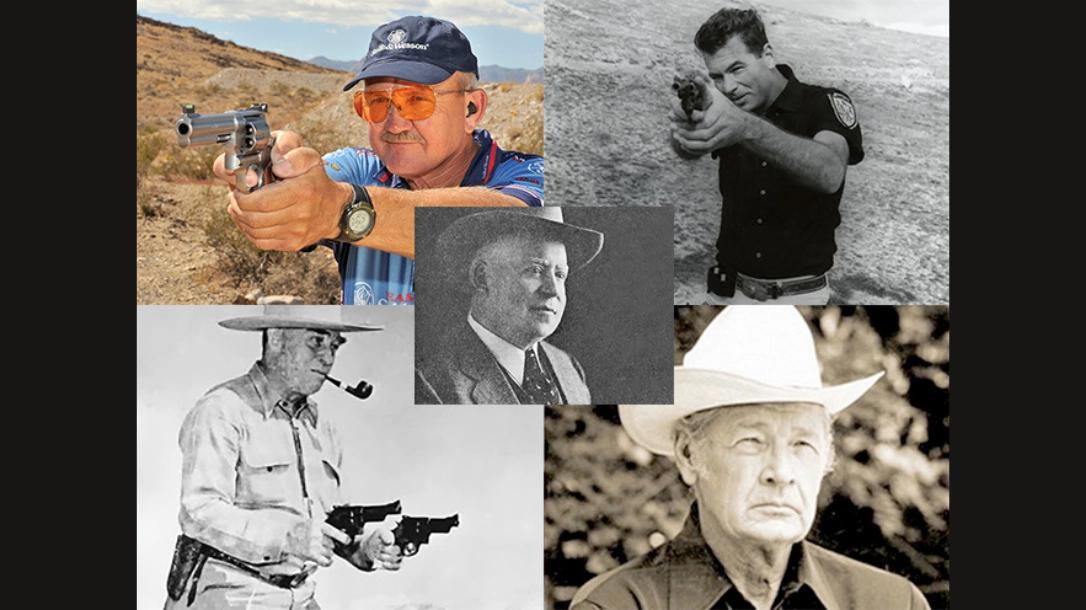
Samuel Colt's revolving handgun design, introduced in the 1830s, fundamentally altered the evolution of personal defense and military weaponry. The revolver earned a permanent place across military arsenals, law enforcement duty rigs, hunting camps, and competition ranges. From nineteenth-century gunfighters to contemporary shooters, five specific individuals advanced revolver marksmanship and demonstrated the platform's enduring practical value beyond its historical reputation.
Key Details
Old West icons Wyatt Earp and Wild Bill Hickok built the revolver's legendary reputation through documented gunfights and public perception. Their names became synonymous with revolver competency during an era when the platform dominated personal and professional defense. The revolver's reputation extended beyond folklore—military adoption and law enforcement standardization confirmed its reliability and stopping power in life-or-death situations. Competitive shooting sports later proved revolver marksmanship required genuine skill under pressure, not luck or myth.
Why It Matters for Gun Owners
Revolver shooters today inherit a proven design that remains legal in all fifty states and carries no magazine restrictions under current federal law. Modern duty revolvers, snubnose carry guns, and full-frame competition revolvers occupy specific tactical niches that semi-automatic pistols cannot fully replace. A revolver operates reliably without batteries, external safeties, or magazine dependencies—factors that matter for hunters in remote terrain, shooters in extreme weather, and those who prioritize mechanical simplicity. Understanding revolver history clarifies why the platform survives: it works. Contemporary shooters training on revolvers benefit from refined ergonomics and ammunition compatibility unknown to Earp's era, while the fundamental operating principle remains unchanged for nearly two centuries.
DownRange Analysis
The revolver's survival in a semi-automatic-dominated market reflects genuine utility, not nostalgia. Legal exposure remains minimal—revolvers generate none of the magazine-ban litigation that plagues modern pistols in high-restriction states. A .357 Magnum or .38 Special revolver travels legally where AR-platform rifles face prohibition. Competitive shooting organizations continue sanctioning revolver divisions, proving demand persists among shooters willing to accept lower round count for absolute mechanical reliability. For new gun owners, a quality revolver teaches trigger control and shot placement without magazine manipulation. That foundational skill transfers to any platform. The historical figures who mastered the revolver did so without optics, lights, or modern ammunition—modern tools only amplify what Colt's design already delivered.