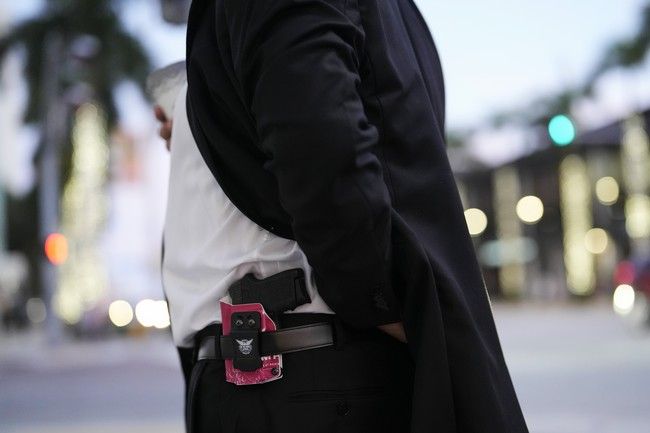
Constitutional Carry Now Covers Over Half the Country
Constitutional carry has become the law in more than 25 states, representing a watershed moment for Second Amendment advocates. The movement has gained momentum over the past decade, with states recognizing that law-abiding citizens should carry firearms without government licensing. However, this expansion has triggered interest from gun control researchers and policy institutes seeking to develop strategies that could offset the constitutional carry trend.
Key Details
- Constitutional carry laws eliminate permitting requirements for law-abiding citizens to carry concealed handguns in public.
- The expansion represents sustained momentum from the gun rights movement over multiple election cycles and legislative sessions.
- Anti-gun researchers are actively developing policy recommendations designed to counter constitutional carry's spread to additional states.
- The constitutional carry footprint now covers more than half the country, but remains far from universal—many populous states retain strict permitting schemes.
Why It Matters for Gun Owners
Constitutional carry removes a significant financial and bureaucratic barrier to self-defense rights. Permit fees, background checks, and discretionary approval processes disappear—your Second Amendment right doesn't hinge on government permission. Carriers in constitutional carry states gain immediate reciprocal recognition in many neighboring jurisdictions. However, the remaining anti-permit states still control major population centers and travel corridors. Federal recognition of constitutional carry remains nonexistent; you can't assume your rights cross state lines. Gun owners in restricted states face an uphill legislative battle, and the emerging defensive strategies from anti-gun policy centers signal the fight isn't over. Travel carefully, know your destination state's laws, and support local advocacy groups pushing constitutional carry in your region.
DownRange Analysis
Constitutional carry is defensible under District of Columbia v. Heller and New York State Rifle & Pistol Association v. Bruen. Historical bearing of arms required no licensing—the right existed at the founding. The policy counter-measures being studied by gun control institutes will likely target secondary restrictions: magazine bans, caliber limits, or safe storage mandates. Smart gun owners should expect a multi-front response. Watch state legislatures closely. Constitutional carry's success proves sustained, organized pressure works. Now gun rights advocates must consolidate gains and defend against regulatory creep targeting ammunition, accessories, and carry locations. The battle has shifted from whether to carry to where and how.