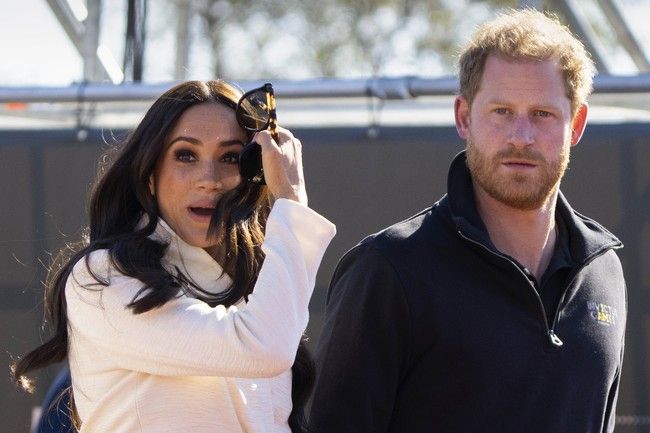
Prince Harry and Meghan Markle Moving Back to Britain After Years Away
Prince Harry and Meghan Markle have announced their return to the United Kingdom, reversing a decision that saw them leave the country years earlier. Security concerns were originally cited as a primary driver for their departure. The couple's move back has generated substantial public reaction in Britain, though their return does raise questions about what changed regarding the security situation that prompted their initial exit.
Key Details
- Prince Harry and Meghan Markle are relocating to the UK after an extended period abroad
- Security concerns were a documented factor in their original decision to leave Britain
- The announcement has prompted significant public and media reaction within the UK
- Their return comes without clear public explanation of how the security issues have been resolved
Why It Matters for Gun Owners
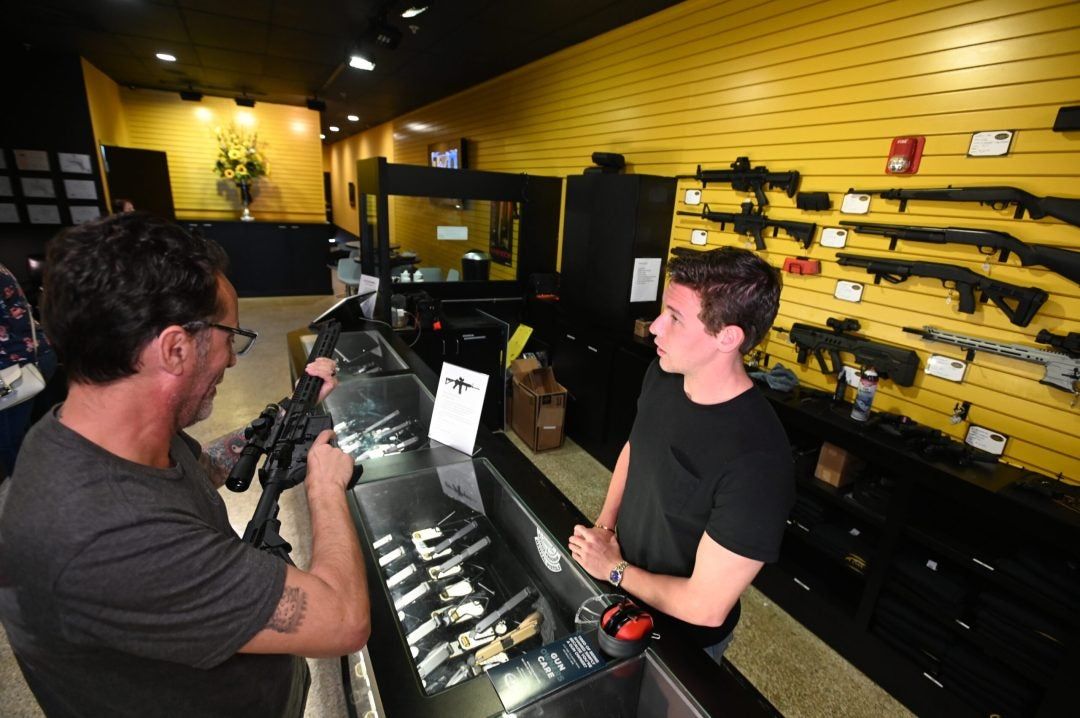
For American gun owners, this story illustrates the broader contrast between security approaches in the United States and the UK. Britain's strict firearm restrictions mean royals rely entirely on armed security details rather than the option of personal protection firearms. The fact that security concerns alone drove a royal family member into self-imposed exile demonstrates how dependent individuals become on state-provided protection in countries with near-total civilian disarmament. American gun owners retain the legal right to take personal security into their own hands—a fundamental difference in freedom that extends beyond the shooting range into genuine life-safety decisions. The couple's return despite unresolved security questions raises practical concerns about what actually changed in their threat environment.
DownRange Analysis
This situation underscores why the Second Amendment exists. When government monopolizes force and disarms civilians, even wealthy, connected individuals become hostage to bureaucratic protection timelines and political considerations. Prince Harry couldn't simply exercise a constitutional right to armed self-defense; he had to flee the country. Now his return raises uncomfortable questions about whether British security actually improved or whether the couple simply accepted reduced protection as the cost of reconnecting with family and heritage. No American gun owner should want to find themselves in that position—dependent on government, unable to opt out, forced to choose between personal security and their home. The UK's path shows what happens when constitutional protections evaporate.