Manual Safety vs. Striker Fire: Concealed Carry Trade-Offs Explained
Most armed citizens carry without fully grasping how their pistol's safety mechanism affects performance under pressure. The choice between a manual-safety gun—common in 1911s and some modern pistols—and a striker-fired design with no external safety reshapes draw time, handling during a lethal encounter, and the real risk of accidental discharge. Understanding these trade-offs isn't academic; it determines whether your gun clears the holster fast enough when seconds matter.
Key Details
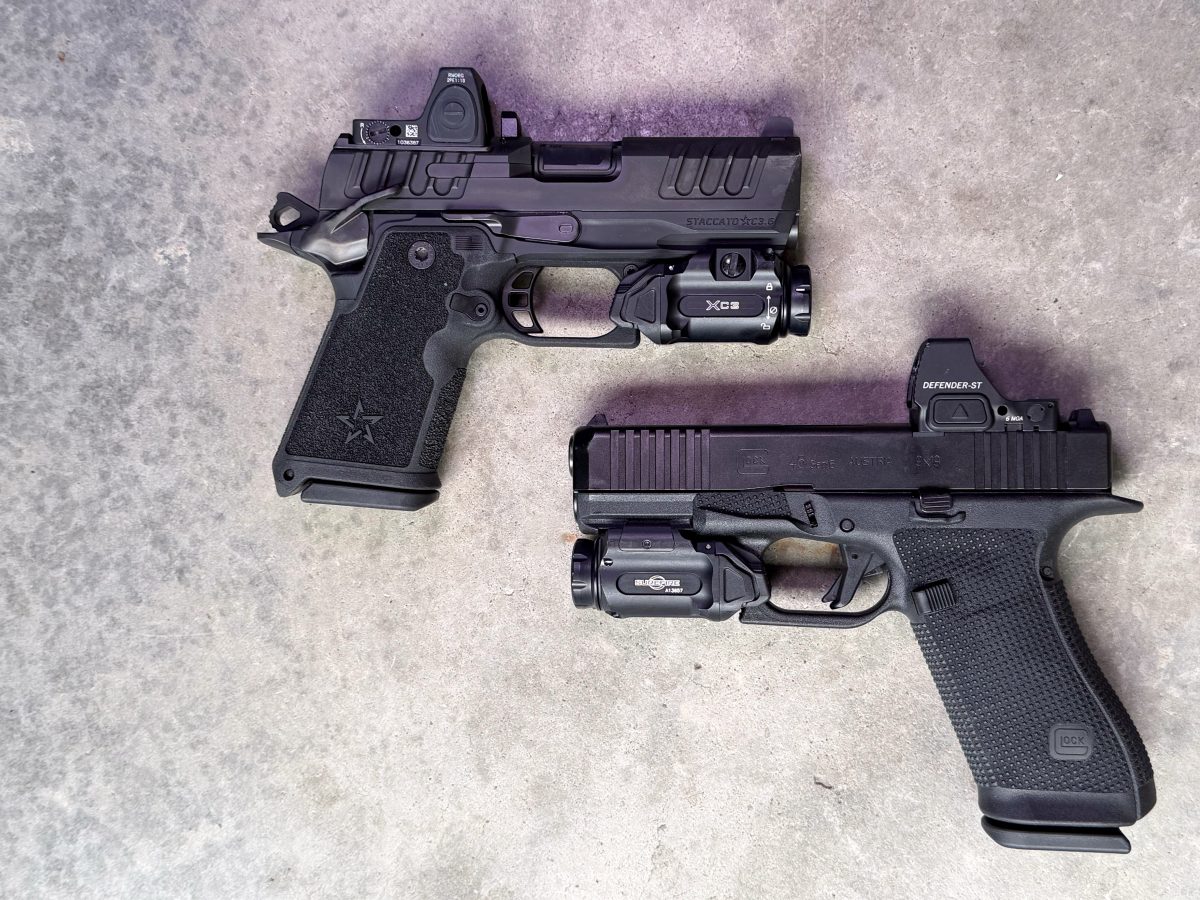
Manual Safety Pistols: Require an extra gross motor movement—thumb safety disengagement—before the trigger works. Adds delay. Reduces accidental discharge risk during holster carry and physical struggle, but demands trained muscle memory under adrenaline.
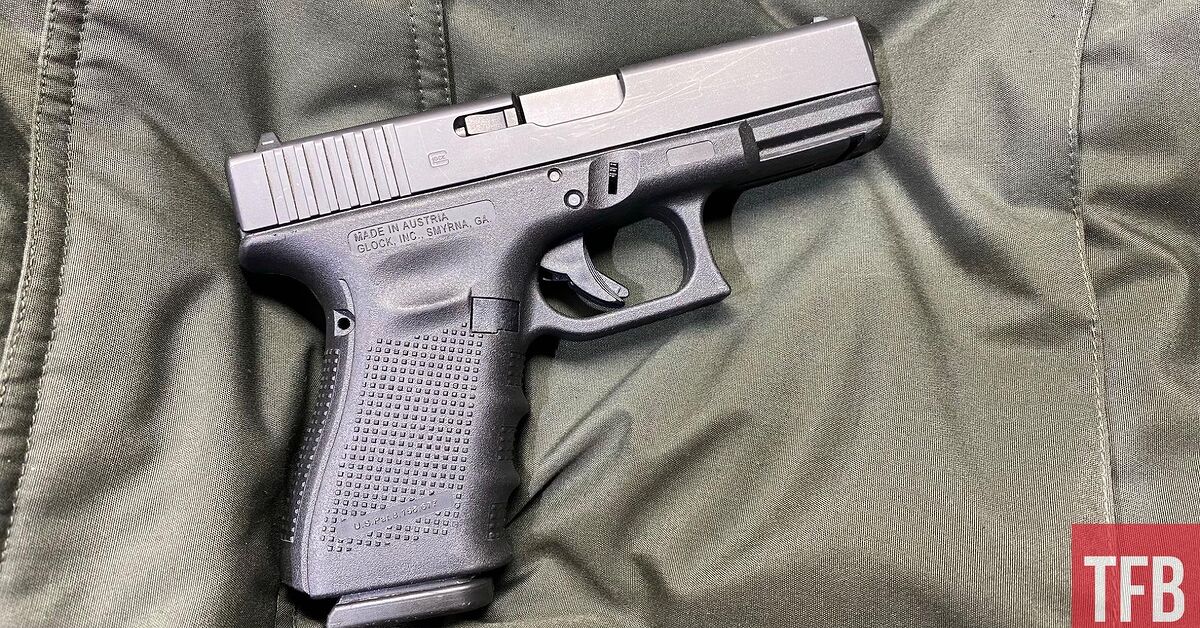
Striker-Fired Designs: No manual safety to disengage. Faster presentation from holster. Relies on internal safeties (firing-pin block, trigger safety) to prevent discharge from shock, falls, or holster snags. No external catch means one less step in the draw sequence.
Training Gap: Most concealed carry permit holders shoot occasionally at the range. Few practice consistent manual-safety manipulation under stress or during low-light scenarios. This gap creates real liability.
Why It Matters for Gun Owners
Your choice directly affects your legal and tactical position. Carry a manual-safety 1911 without practicing disengagement under stress, and you risk fumbling during a defensive encounter—or failing to return fire. Carry a Glock or M&P without external safety, and you depend entirely on holster retention and trigger discipline to prevent negligent discharge. Neither option is risk-free; both demand different skills.
If you carry appendix (front waistband), a striker-fired gun with quality internal safeties and a holster with positive retention makes sense. If you're a competition shooter or former military comfortable with manual safeties, a 1911 or CZ with thumb safety may feel faster after 10,000 dry-fire reps. The gun doesn't matter. Your actual training matters. Most concealed carriers don't have enough of it, regardless of platform.
DownRange Analysis
This isn't a debate with a winner. Military and law enforcement adopted striker-fired pistols because the speed advantage scales across thousands of officers with varied training levels. Civilians carrying one defensive gun have the luxury of choosing based on personal skill. Carry what you've shot 500 times, not what internet arguments favor. The real liability isn't the safety mechanism—it's the shooter who bought a gun and shot it twice at the store.
If you're upgrading your carry gun, test both types at a range. Run draws, reloads, and low-light drills. Your hands will tell you which platform fits your actual training level. Your lawyer will thank you.