San Antonio Activists Rally Against ICE-Involved Fatal Shooting
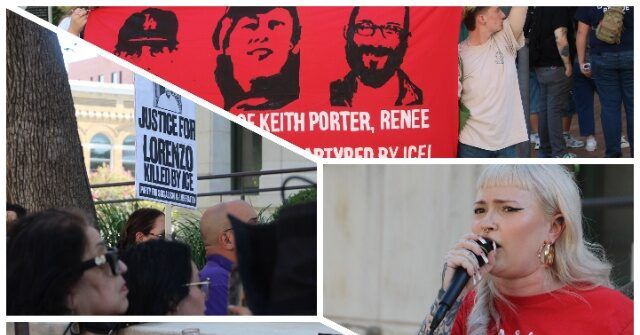
Approximately 100 protesters assembled outside San Antonio City Hall to denounce a shooting by U.S. Immigration and Customs Enforcement agents in Houston earlier in the week. The incident involved a fatal shooting of an illegal alien during what authorities describe as a targeted enforcement operation. ICE agents allege the suspect attempted to flee and drove his vehicle toward an officer, prompting the use of force.
Key Details
- Protest occurred in San Antonio in response to shooting in Houston
- Suspect allegedly drove vehicle at officer during enforcement operation
- ICE characterized the action as self-defense against an imminent threat
Why It Matters for Gun Owners
This incident sits at the intersection of law enforcement authority, use-of-force justification, and political response. Gun owners should recognize that the legal standard for defensive shooting—whether by civilians or federal agents—hinges on immediate threat assessment. When a vehicle becomes a weapon and an officer faces an oncoming threat, courts typically recognize the lawfulness of that response. The protest itself reflects broader political divisions over immigration enforcement, but the tactical and legal questions remain distinct: Did the suspect pose an immediate threat? Was force proportional? These same questions apply to civilian self-defense claims and influence how juries evaluate them. Understanding the difference between justified force and contested force matters when you carry.
DownRange Analysis
Activist protests over law enforcement shootings are routine, but this case raises a specific technical question: vehicle-as-weapon scenarios. Under Texas law and federal precedent, using deadly force to stop a vehicle threat is generally lawful. A suspect driving at an officer creates an immediate, deadly threat that justifies response. For gun owners, this reinforces why training matters—threat recognition and proportional response are defensible. However, the political momentum behind these protests can eventually influence policy. If successful, activist campaigns might pressure agencies to restrict use-of-force policies beyond what law permits, creating liability where none existed. Watch whether ICE or local Houston authorities face administrative pressure rather than legal jeopardy.