Supreme Court Accepts Second Amendment Cases for 2026-2027 Term
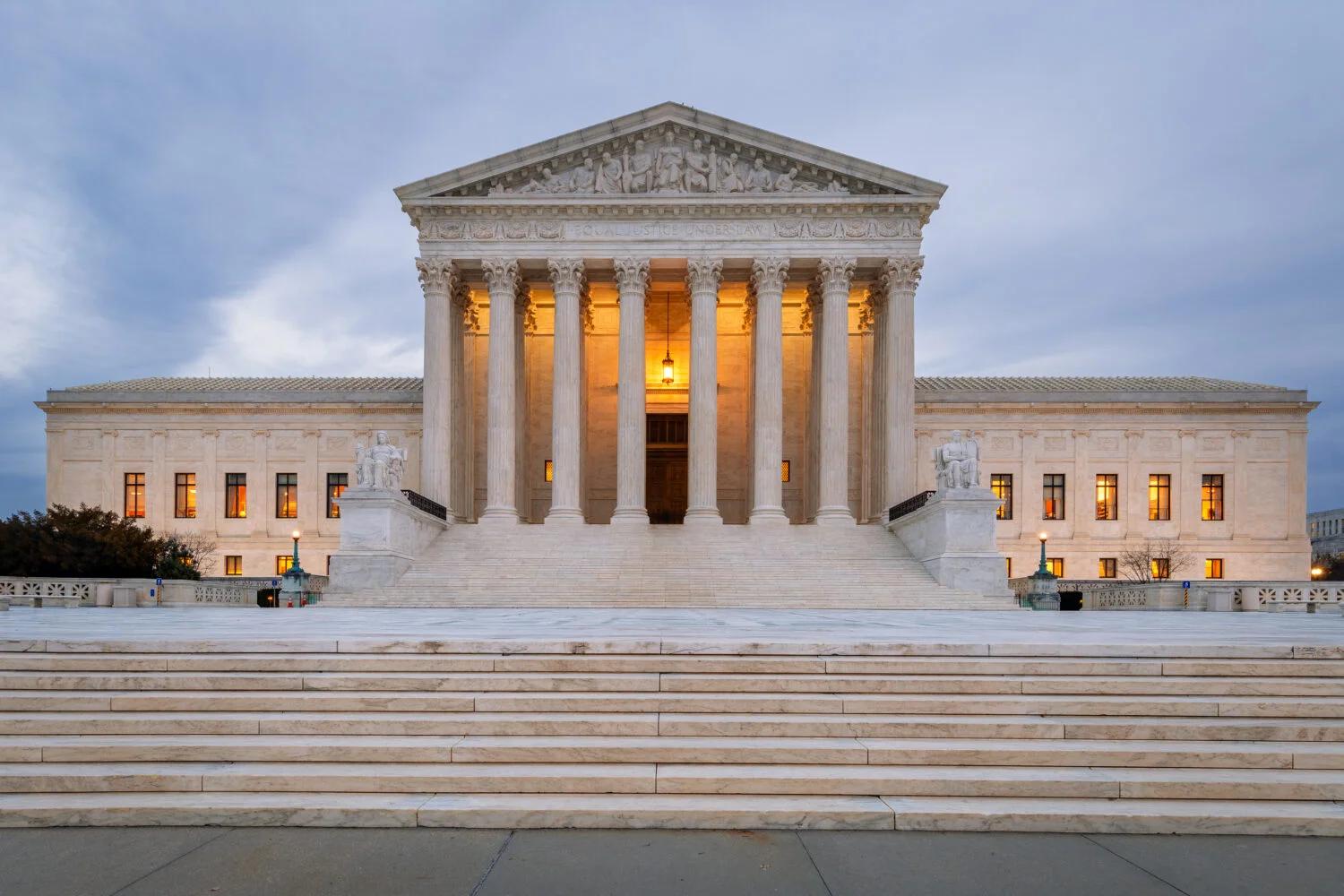
The U.S. Supreme Court docketed three Second Amendment cases for oral arguments in the 2026-2027 term. One case challenges state-level magazine capacity restrictions. Another targets federal licensing requirements for firearms dealers. The third case questions state permit-to-purchase laws affecting handgun acquisitions.
Gun owners will see courtroom action on issues directly affecting daily carry decisions. Magazine limits restrict self-defense capacity. Dealer licensing adds bureaucratic friction to lawful purchases. Permit schemes delay access to defensive tools.
Why It Matters for Gun Owners
These three cases will define your rights for the next decade. Magazine capacity restrictions limit defensive effectiveness during home invasions or armed encounters. If SCOTUS strikes them down, states cannot ban standard-capacity magazines nationwide.
Federal dealer licensing directly impacts your ability to buy firearms. Current law requires dealers to hold Federal Firearms Licenses (FFLs). Cases challenging this framework could eliminate FFL requirements or require constitutional justification for licensing schemes.
Permit-to-purchase laws create state-level obstacles between you and self-defense tools. New York, New Jersey, and Maryland require permits before buying handguns. These bureaucratic delays last weeks or months. SCOTUS intervention could invalidate these schemes across America.
The Court's composition favors Second Amendment expansion. Six justices appointed by Republican presidents sit on the bench. Justice Clarence Thomas authored the landmark Bruen decision, which established strict scrutiny for gun regulations. His influence shapes current Second Amendment jurisprudence.
Background
The Supreme Court fundamentally transformed gun rights in 2022 with New York State Rifle & Pistol Association v. Bruen. That decision struck down New York's "proper cause" concealed carry requirement. Bruen established that firearm regulations must align with historical tradition and the Founding Era's practices.
Bruen set a higher bar for gun restrictions. States cannot rely on "public safety" justifications alone. They must demonstrate historical precedent for regulations or face constitutional challenges.
Lower courts have grappled with Bruen's framework ever since. Magazine capacity bans face serious constitutional scrutiny. Dealer licensing requirements lack clear historical parallels. Permit schemes conflict with shall-issue carry rights established by Bruen.
Gun control organizations have attempted to distinguish their regulations from carry restrictions. They argue magazine limits and licensing serve different purposes. SCOTUS docket entries suggest the Court disagrees with this reasoning.
The 2026-2027 term will clarify Bruen's reach. Can states regulate ammunition capacity? Must licensing schemes prove historical roots? Do permit-to-purchase laws violate the Second Amendment?
Oral arguments are expected in early 2027. Decisions will arrive by June 2027. This timeline gives states months to revise or defend their firearms laws.
DownRange Bottom Line
Three Supreme Court cases will reshape gun rights next year. Magazine restrictions, dealer licensing, and permit laws face serious constitutional challenges. The Court's conservative majority signals skepticism toward gun control measures.
For daily carriers, these cases matter intensely. Winning on magazine capacity means carrying standard-capacity magazines without legal exposure. Winning on licensing removes federal barriers to gun purchases. Winning on permits eliminates bureaucratic delays before you own a defensive firearm.
Stay vigilant during 2027. Oral arguments will generate media coverage. Public opinion may shift based on courtroom testimony. Second Amendment organizations will launch advocacy campaigns supporting gun rights.
This is the gun owner's moment. SCOTUS is listening.