Knight's Armament Built This DEA Suppressor Upper for Drug Raids
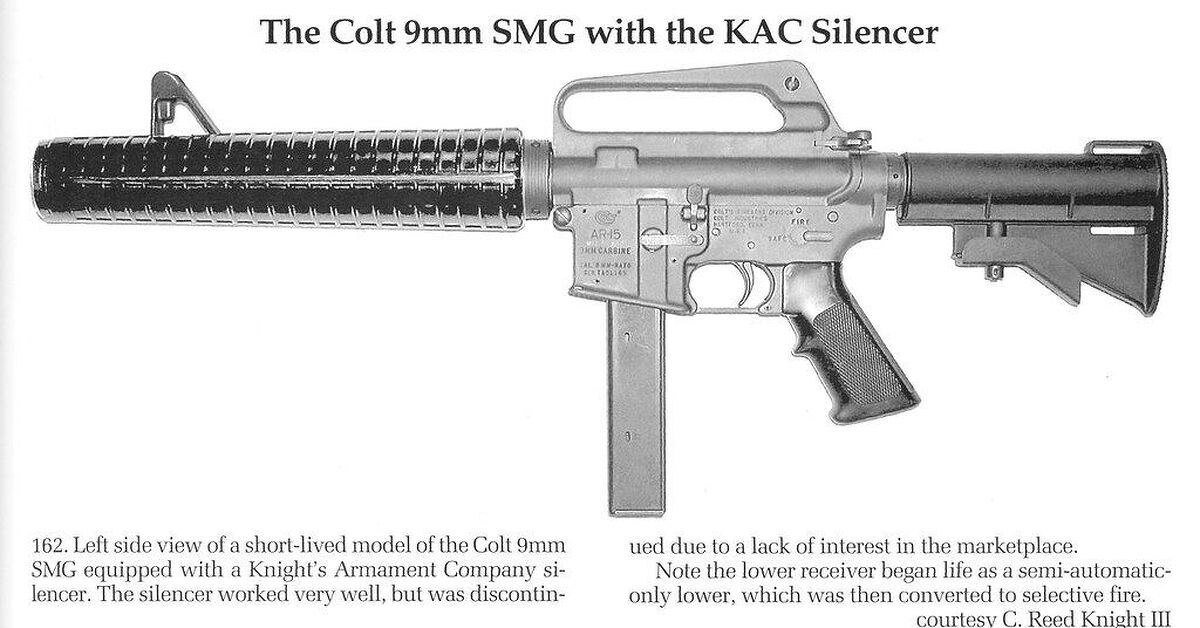
Knight's Armament Company manufactured a specialized integral suppressor upper receiver for the DEA's Clandestine Laboratory Enforcement Team. The upper represents a rarely documented example of how federal law enforcement agencies source and deploy sound suppression technology during high-risk drug lab operations. The design prioritized tactical considerations specific to confined-space enforcement scenarios.
Key Details
- Upper designed as an integral suppressor system — the suppressor housing functions as part of the barrel assembly rather than a modular attachment.
- Built for the DEA's Clandestine Laboratory Enforcement Team, the division responsible for dismantling illegal drug manufacturing operations.
- Part of law enforcement's sound signature management strategy during dynamic entry and indoor warrant execution.
Why It Matters for Gun Owners
This upper demonstrates that federal agencies recognize suppressor value in tactical operations — a fact that contradicts decades of suppressor stigmatization in civilian regulation. Law enforcement adoption of integral designs indicates performance advantages under stress. For civilians, this validates suppressor reliability and operational utility. The design also shows how manufacturers like Knight's Armament maintain dual-market expertise: military/law enforcement and civilian sales. Gun owners should understand that suppressors remain federally regulated devices requiring Form 4 tax stamp registration, regardless of law enforcement use cases. The integral configuration eliminates modular attachment points, a design choice relevant to current regulatory scrutiny of quick-detach systems.
DownRange Analysis
Knight's Armament producing purpose-built law enforcement suppressors underscores the gap between political rhetoric and operational reality. Federal agencies don't equip raid teams with inferior equipment — they select suppressors because they work. This historical artifact proves manufacturers understood suppressor science decades before the current 2A surge. For gun owners watching Bruen-era litigation, suppressor cases remain fragile: most courts still defer to historical bans despite clear law enforcement precedent. The real story here isn't the upper itself — it's that federal agents trusted Knight's suppressor technology in life-or-death scenarios. That evidence matters more than politician soundbites claiming suppressors enable crime.