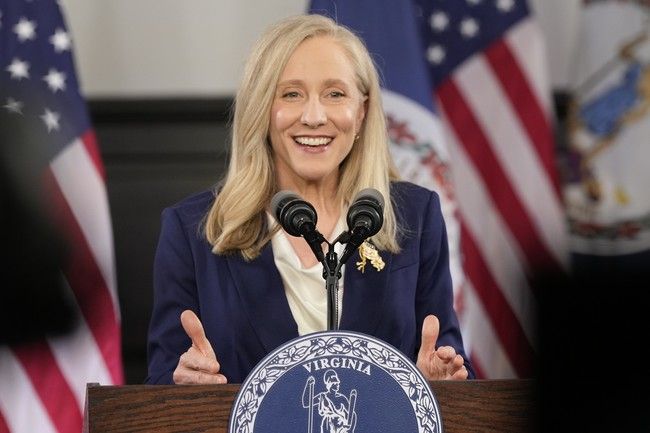
Spanberger Stages Gun Control Signing Without Opposition Lawmakers
Virginia Gov. Abigail Spanberger held a ceremonial bill signing on Tuesday for multiple pieces of gun control legislation that she had already formally approved. The governor excluded certain anti-gun lawmakers from the event, citing an ongoing feud unrelated to firearms policy. The move highlighted divisions within Virginia's Democratic majority over priorities beyond Second Amendment restrictions.
Key Details
- The signing ceremony was held Tuesday and involved multiple gun control bills already legally enacted
- Spanberger excluded specific lawmakers from the ceremonial event due to a data center dispute
- The bills had already received gubernatorial approval before the public ceremony took place
Why It Matters for Gun Owners
Virginia gun owners should understand that legislative victories or defeats in Richmond no longer require transparent public ceremonies—governors can quietly sign restrictions into law before any public announcement. This tactic obscures the timeline and visibility of anti-gun measures, making it harder for Second Amendment advocates to mobilize opposition or highlight the speed of legislative action. The ceremony itself serves as political theater rather than substantive governance. Gun owners in Virginia and similar blue-state legislatures need to monitor bill tracking systems and legislative databases directly, not rely on press events to learn when new restrictions take effect.
DownRange Analysis
The real story here isn't the bills themselves—it's the governor's willingness to strip the ceremonial process of transparency when political convenience demands it. If Spanberger can approve gun control measures in private and stage a public ceremony later, anti-gun legislators in other states will copy the playbook. This also exposes internal Democratic fractures in Virginia that 2A advocates might exploit in future elections. Gun owners should demand that all bill signings be public record with published timestamps, forcing elected officials to own their legislative choices in real time rather than on their preferred schedule.