New Research Links Modern Rifles to Increased Casualties in Mass Events
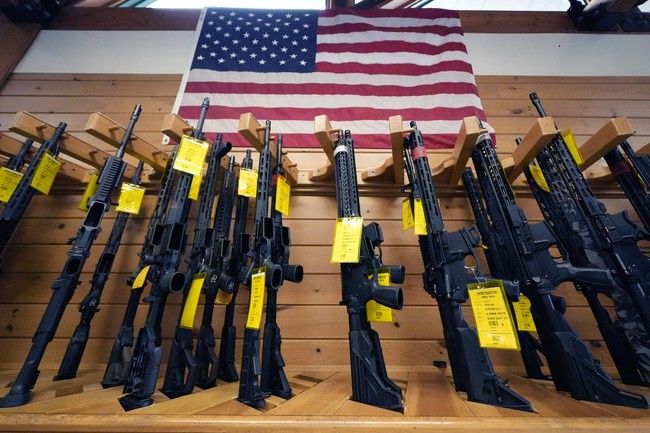
A fresh study argues that so-called assault weapons produce deadlier outcomes during mass shooting incidents compared to handguns. Researchers examined casualty data across multiple incidents, concluding that semi-automatic rifles with detachable magazines correlate with higher victim counts per attack.
The findings arrive as the Supreme Court prepares to hear the Veramontes case, which legal experts expect will dismantle existing assault weapon bans nationwide. Anti-gun advocates are already mobilizing research to counter anticipated legal losses in the courts.
Why It Matters for Gun Owners
This study represents the opening salvo in a coordinated campaign to restrict modern rifles through legislative and regulatory channels after courts likely invalidate current bans. Gun owners should expect renewed pressure for magazine capacity limits, rate-of-fire restrictions, and cosmetic feature regulations at federal and state levels.
The timing is critical. With Supreme Court precedent shifting toward Second Amendment protections, anti-gun organizations are pivoting toward evidence-based arguments rather than constitutional ones. They're betting that casualty statistics will persuade legislators and voters where legal arguments failed.
For daily carriers and shooting enthusiasts, this means your preferred firearms—AR-pattern rifles, modern sporting rifles in .308 Winchester, and similar platforms—will face intensified scrutiny. Expect manufacturer lawsuits, state-level bans modeled on California's approach, and potential federal restrictions targeting specific calibers or magazine sizes.
Magazine capacity emerges as a likely flashpoint. If courts allow states to restrict magazines to ten rounds, millions of owners face compliance decisions: modify existing weapons, relocate to friendlier states, or risk felony charges.
Background
The assault weapon debate has consumed American politics for thirty years. The 1994 federal ban expired in 2004 without measurable crime reduction. Subsequent state bans in California, New York, New Jersey, and Massachusetts remain active despite legal challenges.
The Veramontes case specifically challenges California's assault weapon ban. Oral arguments before the Supreme Court are expected in 2026. Most constitutional scholars predict a 6-3 or 5-4 decision striking down blanket assault weapon prohibitions as unconstitutional under the Second Amendment.
Anti-gun advocates recognize this trajectory. Rather than wait for defeats, they're building statistical arguments about casualty disparities between rifle types. If handguns average four victims per incident while rifles average eight, their logic suggests restrictions on the deadlier category survive constitutional review.
Previous studies on this topic showed mixed results. Some data indicated rifles were used in fewer than five percent of mass shootings. Others focused exclusively on high-casualty incidents, skewing results toward rifle-involved events.
DownRange Bottom Line
Expect anti-gun groups to flood legislatures with casualty studies over the next two years. Courts will decide whether statistical evidence of deadliness justifies restricting specific firearm categories. Meanwhile, manufacturers should prepare for state-level litigation and potential federal restrictions targeting modern rifle sales.
For gun owners, the practical lesson is clear: know your state's current regulations, document any existing firearms for legal compliance, and support organizations defending Second Amendment rights in court. The political battle over rifle ownership is entering a new phase—one focused on statistical arguments rather than constitutional ones.
Stay informed. Laws change quickly.