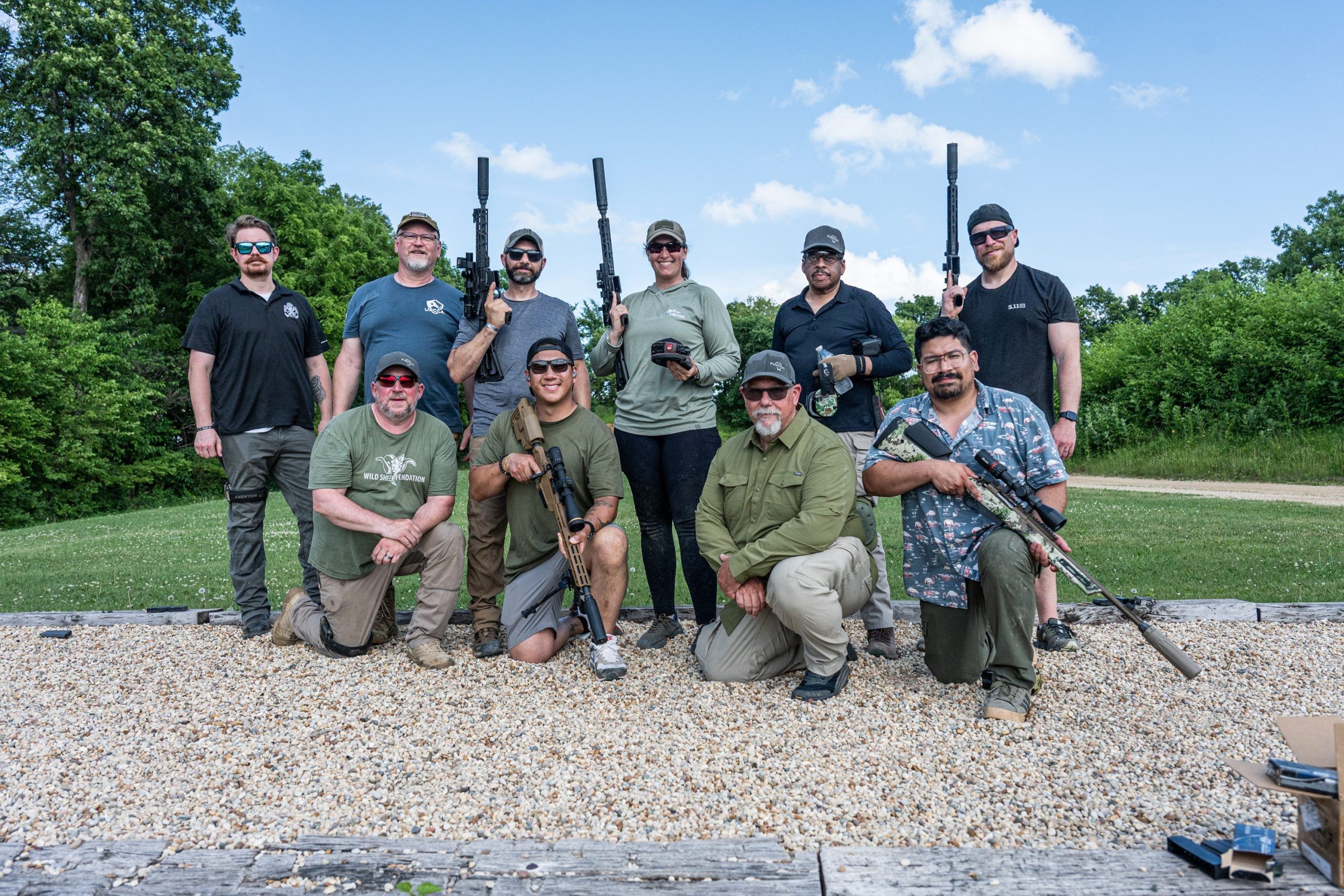
Springfield Armory, Dead Air, Fiocchi ran suppressed training at The Site facility
A two-day suppressed firearms course brought shooters, manufacturers, and ammunition suppliers together to test how suppressors perform across handguns, personal defense weapons, short-barrel rifles, and full-size rifles. Springfield Armory and Dead Air Suppressors provided equipment. Fiocchi supplied ammunition for consistent ballistic performance across all platforms. Instructors measured sound signature, velocity retention, point-of-aim shifts, and shooter control under suppressed fire.
The event moved beyond sound meter readings. Trainers emphasized how suppressors affect shooter stance, recoil management, and sight picture recovery. Dead Air products faced evaluation on pistols, PDWs, SBRs, and rifles. Velocity loss varied by barrel length and caliber. Thermal signature behavior and accuracy impact received equal attention to decibel reduction.
Why It Matters for Gun Owners
Most shooters learn suppressor behavior from forums and YouTube videos. This course provided empirical data on real-world performance. Suppressor registration and NFA compliance stay constant, but choosing the right can for your platform requires hard numbers—velocity loss on a 10.5-inch SBR differs dramatically from a 16-inch rifle. Point-of-impact shifts matter when you've zeroed your optic dry.
Gun owners planning NFA purchases now have reference points for Dead Air gear across multiple platforms. A suppressor that works flawlessly on a rifle may not suit a compact pistol. Thermal signature behavior affects shooting position and target acquisition in bright light. Hearing protection effectiveness varies by suppressor design, barrel length, and ammunition type.
Defensive carry shooters face specific suppressor concerns. How does a suppressor change handling on a compact gun? Recoil management on short barrels differs from full-size rifles. Sight picture recovery affects follow-up shot speed. Training data on these factors helps shooters train smarter before NFA approval arrives.
Background
The Site facility hosted this manufacturer-backed training event. Springfield Armory brought firearms platforms across the defensive spectrum. Dead Air Suppressors provided cans for real-world testing. Fiocchi ammunition ensured consistent performance—critical when measuring velocity retention and point-of-aim shifts. Mixing ammunition types would cloud data on suppressor effect versus ammunition variation.
Suppressor science matters to gun owners facing decisions. Does a shorter suppressor sacrifice performance? Do full-size cans reduce velocity more on rifles than pistols? Temperature and sound signature changes affect shooter comfort and target acquisition. Manufacturer-run courses provide data that matches actual testing conditions.
NFA wait times stretch past one year in many jurisdictions. Shooters planning purchases now face long approval delays. Having concrete performance data before spending $1,000-plus on suppressors and stamps makes sense. Dead Air's participation meant attendees saw production cans on production guns.
DownRange Bottom Line
Manufacturer-sponsored training fills a real gap. Independent testing on multiple platforms beats YouTube speculation. Gun owners planning suppressed builds benefit from empirical velocity data, point-of-impact measurements, and handling feedback. Dead Air products performed across handguns, PDWs, SBRs, and full-length rifles. Springfield Armory platforms provided realistic test beds. Fiocchi ammunition standardized variables.
Suppressors remain NFA-registered items requiring Form 4 approval. But choosing the right suppressor for your platform demands more than brand name reputation. This event proved that real-world suppressor performance—sound signature, velocity retention, accuracy, handling—varies significantly by platform. Gun owners waiting on NFA approval should seek similar training data before finalizing purchase decisions. Suppressor selection affects everything from ballistic performance to shooter control.