Subsonic Rounds Below 1,125 FPS Kill the Supersonic Crack Suppressors Can't Silence
A suppressor alone won't solve your noise problem. That's the hard truth gun owners discover after dropping $200 on a tax stamp and a quality can, only to find their rifle still cracks downrange.
Standard supersonic ammunition breaks the sound barrier, creating a sharp sonic boom regardless of suppressor quality. The suppressor kills mechanical noise—gas cycling, bolt movement—but can't stop a bullet traveling faster than 1,125 feet per second from producing a supersonic signature.
Subsonic cartridges eliminate this problem entirely. Loaded below the 1,125 FPS threshold, subsonic ammo keeps velocity subsonic throughout the barrel and downrange. Paired with a suppressor, this combination produces hearing-safe sound levels on most centerfire rifles.
What Actually Works in the Field
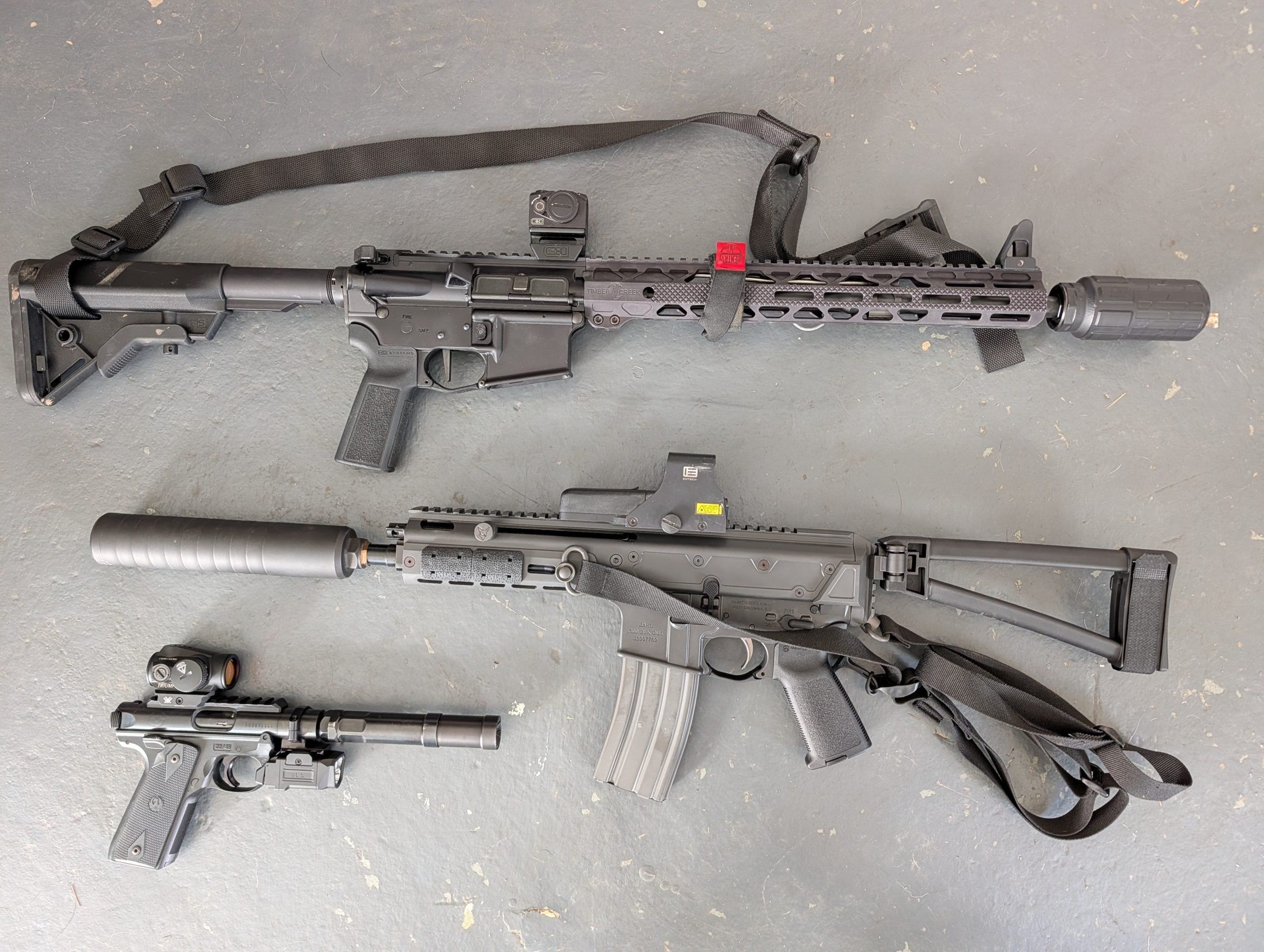
Subsonic loads exist across multiple calibers. .300 Blackout dominates this market—it was designed specifically for subsonic suppressed fire. .45 ACP naturally operates subsonic. 9mm subsonic loads perform reliably in both pistols and rifles. 7.62x51 NATO subsonic variants exist but remain niche and expensive.
The .300 Blackout advantage: it delivers rifle-caliber energy at subsonic speeds. A 220-grain .300 BLK subsonic round maintains meaningful downrange performance while staying quiet. Standard .308 Winchester or 5.56 NATO subsonic loads exist but sacrifice velocity and terminal performance significantly.
Suppressor pairing matters. A suppressor rated for full-power loads still performs well with subsonic ammo. But dedicated subsonic-optimized suppressors exist and can provide marginally better sound reduction. The differences are modest—quality matters more than specialization.
Why Gun Owners Need This Reality Check
Many new suppressor owners expect hearing-safe performance out of the box. They fire standard ammo through a quality can and remain disappointed. The sharp crack remains audible. They've spent hundreds on hardware but missed the ammunition equation.
This matters for multiple reasons. Hunters using suppressors for ear protection need subsonic loads to achieve their goal. Home defenders with suppressors won't achieve hearing-safe levels with standard ammo. Range shooters trying to be neighborly still need subsonic ammunition to make a real difference.
Cost impacts decisions here. Subsonic ammo runs 50 to 100 percent more than standard loads depending on caliber and brand. A box of quality .300 BLK subsonic ammunition costs $25 to $35 per 20 rounds. Standard .308 or 5.56 runs $12 to $18. That adds up quickly during training or extended range sessions.
Reliability varies by platform. Some rifles run subsonic loads reliably. Others require adjustable gas blocks or buffer system modifications. Bolt carriers cycle differently under reduced gas pressure. Testing your specific rifle matters before committing to subsonic training.
DownRange Take
Suppressors are half the equation—ammunition is the other half. A $400 suppressor paired with $1 standard ammunition wastes the suppressor's actual capability. The supersonic crack will still ring out.
If noise reduction matters to you, budget for subsonic ammunition. If you're building a .300 Blackout rifle, subsonic performance was the original intent. If you own a standard caliber rifle, accept that subsonic performance requires compromise in velocity and energy.
The suppressor doesn't work alone. That's the lesson every suppressor owner eventually learns.