.32 ACP Defensive Ammunition: Hollow Points Aren't the Whole Story
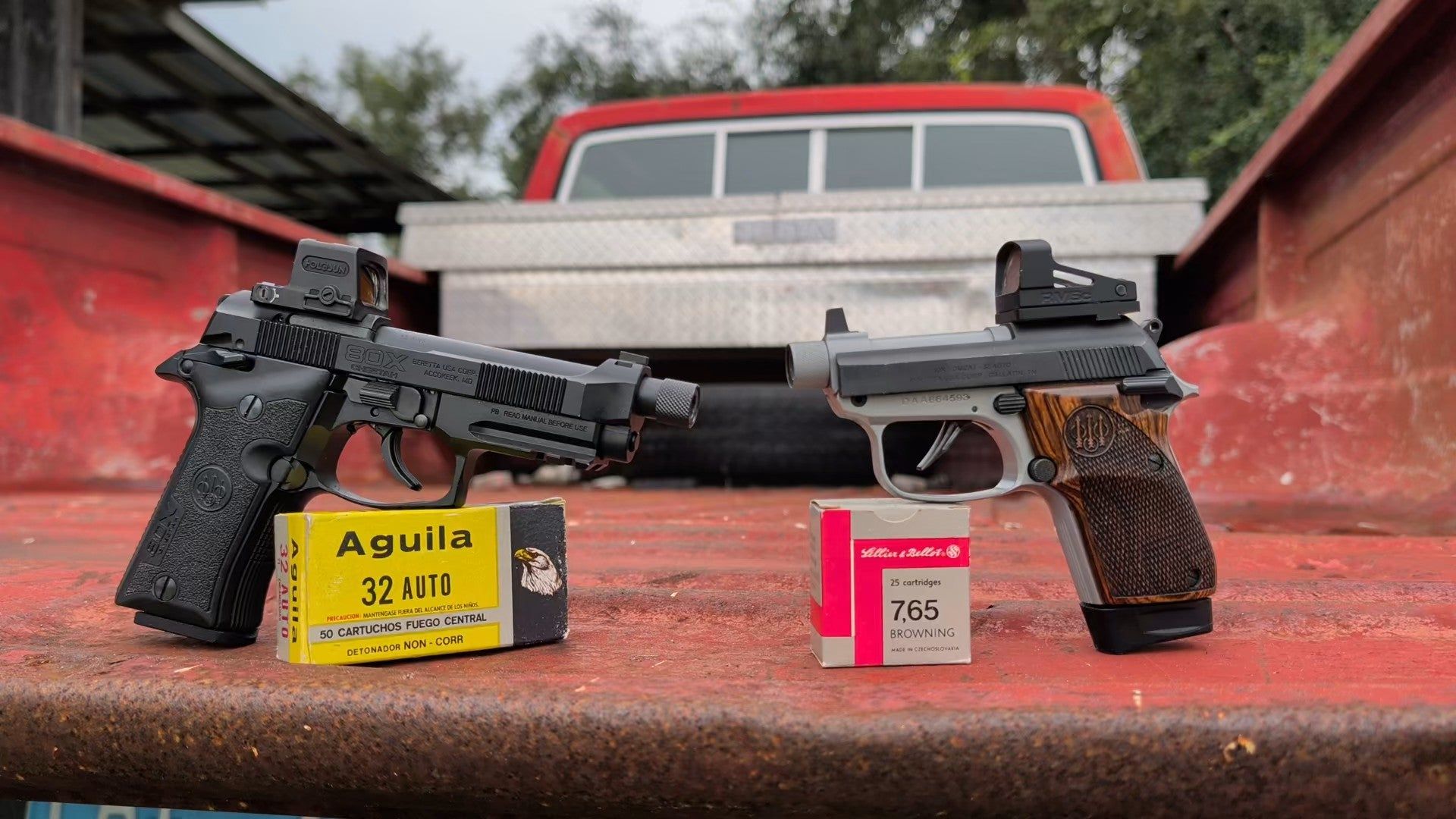
Conventional wisdom says hollow points always outperform ball rounds for self-defense. That breaks down in .32 ACP. A recent technical examination of defensive .32 ACP loads reveals that ammunition selection for this cartridge demands attention to penetration depth, feeding reliability, and the specific firearm's design—factors that often make solid copper or traditional hollow point performance inconsistent across different pocket pistols.
Key Details
- Hollow point expansion isn't guaranteed in .32 ACP. The cartridge's lower velocity and energy margins mean many hollow point designs fail to expand reliably, especially through intermediate barriers like heavy clothing or at extreme ranges.
- Rimlock failures plague certain loads and firearms combinations. The .32 ACP's rimmed case geometry creates feeding issues with some ammunition in blowback-operated pocket pistols, particularly older designs and newer clones.
- Penetration depth varies wildly by load type and firearm. Solid copper rounds often deliver superior, consistent penetration compared to hollow points that may collapse or fail to expand in real-world scenarios.
Why It Matters for Gun Owners
If you carry a .32 ACP—a practical choice for deep concealment—ammunition selection directly affects whether your gun works when needed. A rimlock failure means a stopped round in the magazine well instead of a round downrange. A hollow point that doesn't expand at typical self-defense ranges offers no advantage over ball ammunition. Testing your specific firearm with your chosen load matters far more than following generic ammunition marketing. Shoot whatever round feeds 100% through your pistol. Penetration should reach 12 inches minimum in ballistic gelatin. If your .32 won't reliably feed Speer Gold Dots or Federal Hydra-Shoks, those cartridges are liabilities, not solutions.
DownRange Analysis
The .32 ACP occupies a special place in defensive carry—it's small enough for genuine pocket carry that many 9mm guns can't match. But that compactness demands ammunition tailored to the cartridge's actual ballistics, not copied from .380 or 9mm doctrine. Rimlock issues suggest older designs perform better with modern ammunition than older ammunition does. Buyers should prioritize feed reliability above all else, then verify actual penetration in gelatin before carrying. The .32 ACP works as a self-defense tool, but only when shooters respect its limitations and match their ammunition to their specific gun.