Physics Kills Long-Range Shots: Where Hunters Actually Miss
Long-range hunting keeps pushing boundaries, but the math doesn't lie. Uncontrollable variables—wind drift, temperature shifts, bullet drop calculation errors—compound exponentially past reliable shooting distances. Gun Digest examined how real-world physics contradicts the marketing hype around extreme-distance hunting, forcing hunters to confront a hard question: how far can you ethically shoot before ballistics guarantee a miss or crippling wound?
Key Details
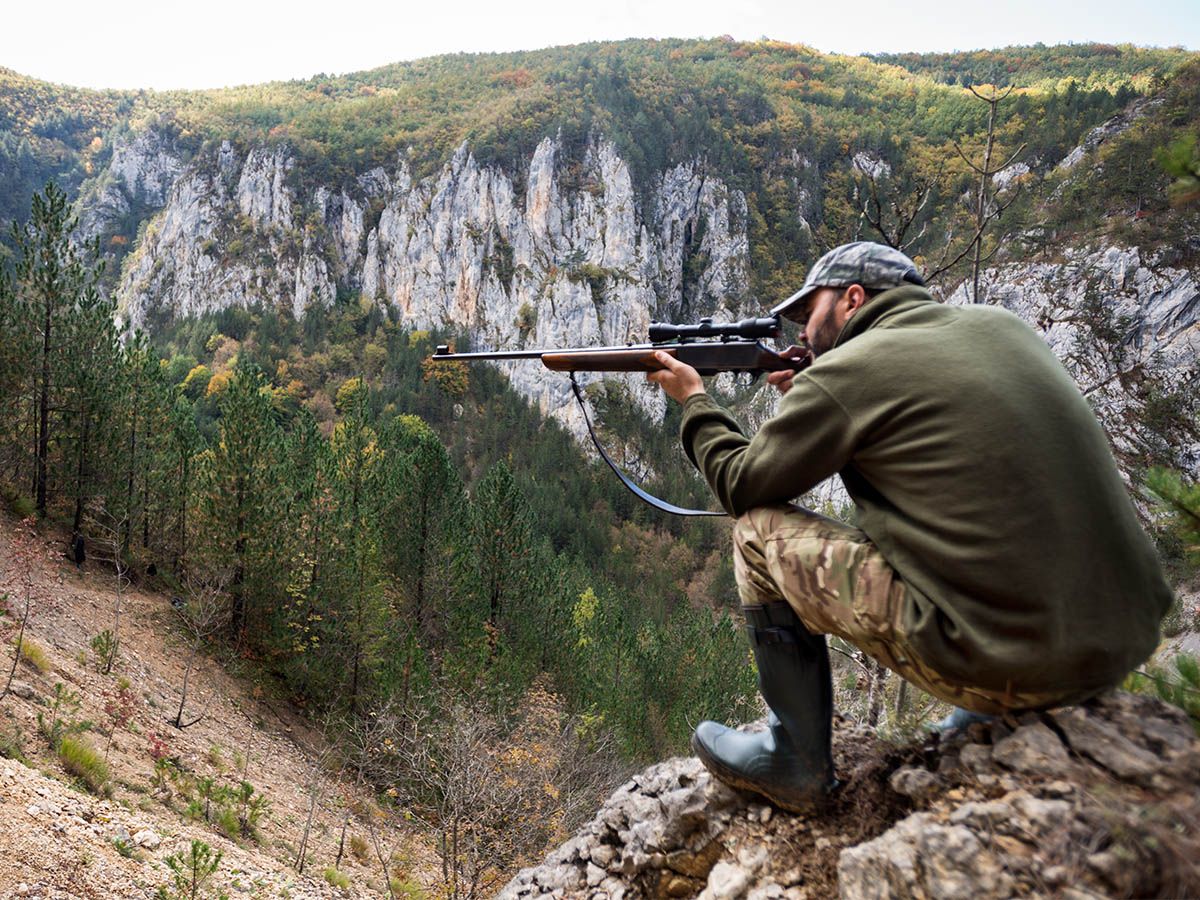
The article identifies the core problem: beyond established effective ranges, hunters lose reliable ballistic prediction. Wind deflection alone becomes the dominant variable—a 10 mph crosswind at 500 yards deflects most rifle rounds 18-24 inches. Elevation changes, air density, and ammunition batch variation add further uncertainty. Most hunting rifles maintain acceptable accuracy standards only to 300-400 yards in controlled conditions. Field conditions strip away that margin.
Why It Matters for Gun Owners
If you hunt, this is a skill and ethics issue, not a caliber one. A .300 Win Mag or 6.5 Creedmoor won't fix wind calls or ammunition variance. Shots beyond 500 yards—regardless of rifle quality—carry real risk of wounding game and losing animals. Bowhunters learned this lesson decades ago; rifle hunters are slower learners. Understand your rifle's true zero at your hunting elevation, know how to read wind, practice to your actual comfortable distance (usually 300 yards max for most hunters), and stop believing YouTube precision shooting videos filmed on calm days with hand-loads. Most western game animals are taken under 250 yards. Plan accordingly.
DownRange Analysis
Marketing sells the dream of 1,000-yard kills. Physics sells the reality. Reputable hunters must separate internet hype from ballistic facts. The Bruen framework protects your right to own long-range rifles, but it doesn't protect game animals from negligent distance decisions. Build your hunting plan around confirmed, repeatable accuracy at field distances—not maximum possible range. Your rifle shoots straighter than your judgment at distance. Keep shots within range of your skill and your ability to call environmental variables. That's the only ethical standard that matters.