Justice Thomas Reframes Second Amendment as Protection, Not Permission
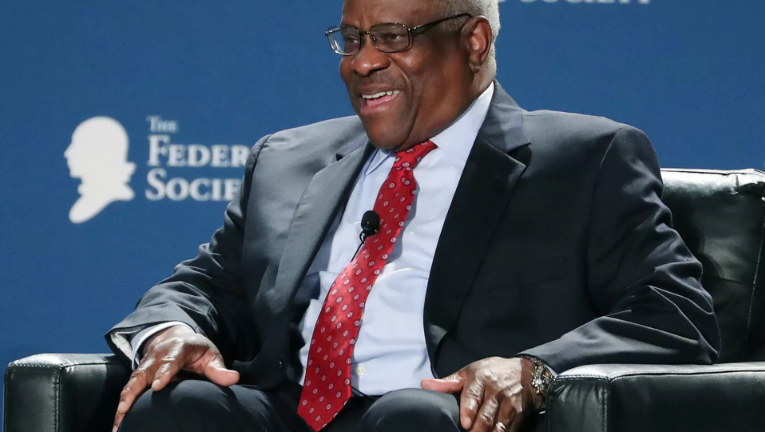
Justice Clarence Thomas asserts the Second Amendment doesn't grant Americans the right to bear arms. The Constitution's language assumes citizens already possess this right. Government cannot infringe it.
This distinction matters enormously for gun owners. Thomas argues the Framers built the Constitution around pre-existing natural rights. The Second Amendment acts as a restraint on government power, not a source of permission.
Thomas has consistently pushed this interpretation across multiple cases. His position challenges decades of legal arguments treating the Second Amendment as granting rights conditionally. Instead, he frames it as recognition of rights government must respect.
Why It Matters for Gun Owners
This interpretation changes the legal battlefield fundamentally. If the Second Amendment protects an existing right rather than grants one, the burden shifts. Government must justify restrictions, not gun owners justify their exercise of rights.
Current legal frameworks often force gun owners into defensive positions. State and federal governments impose restrictions, then gun owners challenge them in court. Thomas's framing flips this dynamic.
For daily carriers and sport shooters, this means potential legal challenges to magazine limits, licensing requirements, and ammunition restrictions face different scrutiny. Courts would ask whether restrictions genuinely serve compelling state interests without infringing pre-existing rights.
The practical impact extends to concealed carry reciprocity arguments. If the right pre-exists the Constitution, states cannot arbitrarily deny citizens who possess it in one state the ability to exercise it in another. Interstate carry becomes a recognition issue, not a permission issue.
Thomas's position also affects how courts evaluate "common sense" gun control measures. Bans on semi-automatic rifles, for example, would face heightened scrutiny if courts accept that citizens possess an inherent right to commonly-owned firearms for lawful purposes.
Background
The Second Amendment reads: "A well regulated Militia, being necessary to the security of a free State, the right of the people to keep and bear Arms, shall not be infringed."
Legal scholars have long debated whether this language grants rights or protects them. The Supreme Court's 2008 Heller decision affirmed an individual right to bear arms for self-defense. However, that decision didn't fully resolve the philosophical question Thomas addresses.
Thomas wrote in DC v. Heller that the Amendment protects a pre-existing right. His subsequent opinions in McDonald v. Chicago, New York State Rifle & Pistol Association v. Bruen, and other cases reinforced this interpretation.
Anti-gun advocates argue the Second Amendment's language permits reasonable regulations. They contend "well regulated" suggests government can impose licensing, background checks, and restrictions on certain weapon types.
Thomas counters that the prefatory clause doesn't limit the operative clause. The people's right to bear arms remains protected regardless of militia language. Regulations must pass strict constitutional scrutiny, not deference tests.
DownRange Bottom Line
Thomas's framing represents the strongest constitutional argument available to gun owners. It shifts legal presumptions favorably. Rights don't flow from government permission but from inherent liberty.
This interpretation will determine how courts evaluate future restrictions. Magazine limits, licensing schemes, and ammunition taxes all face different legal challenges if courts adopt Thomas's pre-existing rights framework.
Gun owners should understand this distinction. It's not semantic wordplay but the foundation for protecting Second Amendment rights for generations. Support justices and judges who recognize rights precede government.