Federal Judge Kills SBR and Suppressor Registration Rules
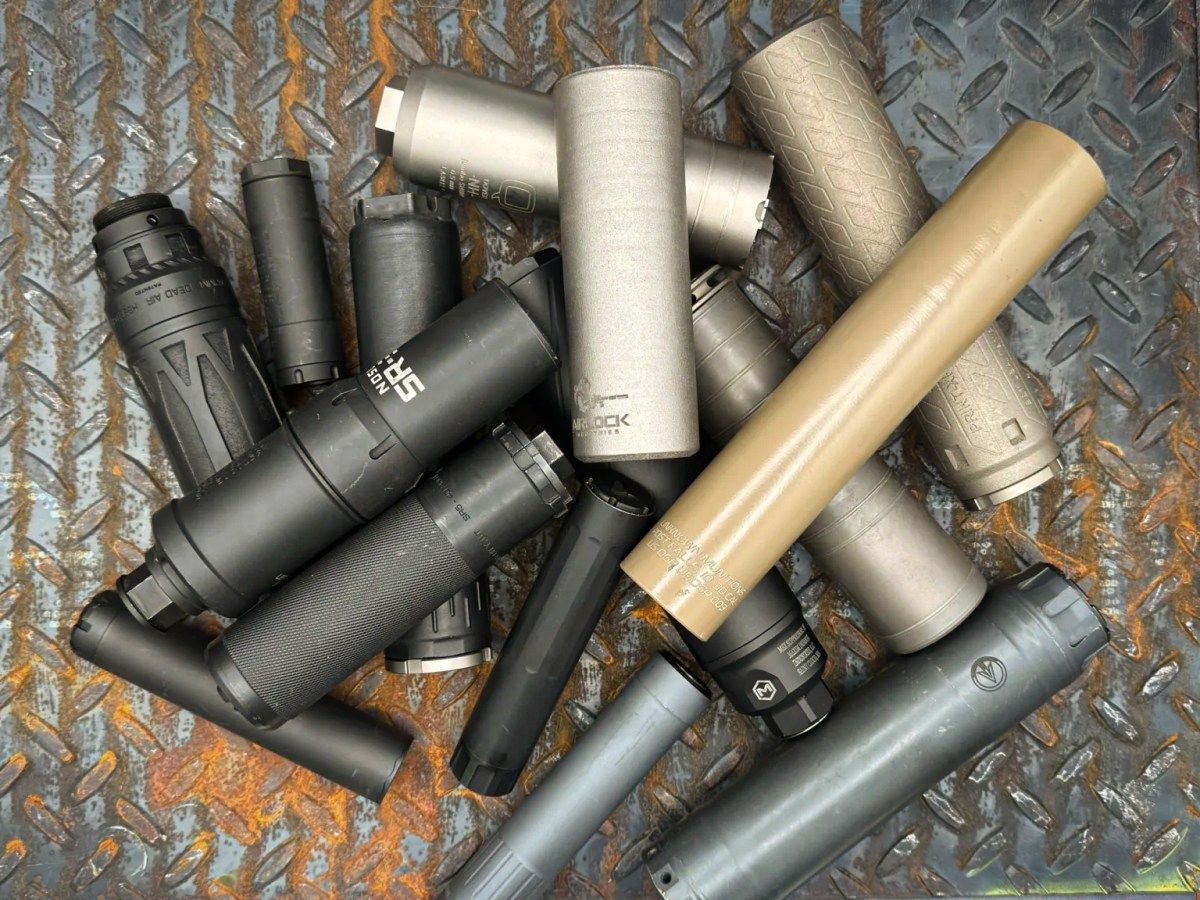
A federal judge declared the ATF's registration requirements for short-barreled rifles and suppressors unconstitutional this week. The DOJ allowed its appeal deadline to pass without filing, letting the injunction take effect at midnight. Gun owners no longer face federal registration mandates for these firearm categories under the ruling's scope.
Key Details
- Federal judge issued an injunction blocking enforcement of SBR and suppressor registration rules
- DOJ had one week from issuance to appeal or seek a stay extension
- The Department of Justice did not file an appeal before the deadline expired
- The injunction became effective upon expiration of the stay, with no further federal registration requirement for these items
Why It Matters for Gun Owners
This ruling removes a compliance burden that has existed since 1934 under the National Firearms Act. Gun owners who own short-barreled rifles or suppressors no longer face federal registration through Form 1 or Form 4 filings. The practical impact: lower costs, faster acquisitions, and elimination of ATF paperwork delays that previously took months. However, this applies only to federal law. States like California, New York, and New Jersey maintain their own SBR bans and suppressor restrictions—this federal ruling does not override state-level prohibitions. Owners should verify local law before purchasing or possessing these items.
DownRange Analysis
The DOJ's failure to appeal signals either confidence in other legal avenues or recognition that the registration scheme faces Bruen-era vulnerability. The 2022 New York State Rifle & Pistol Association v. Bruen decision required historical grounding for gun regulations—and the 1934 NFA registration framework predates modern privacy concerns and faces renewed constitutional pressure. This ruling likely survives appeal given existing 2A precedent. Gun owners should expect manufacturers to accelerate SBR and suppressor marketing without federal registration friction. Watch for state-level responses in blue states seeking to fill the gap with their own registration schemes.