Ukraine Claims Long-Range Strikes Cripple Russian Oil Production
Ukraine says its long-range missile strikes have neutralized more than half of Russia's oil refining capacity. Moscow's ability to fuel military operations across the 4.5-year invasion has taken direct hits. Ukrainian forces targeted critical refinery infrastructure across multiple regions, degrading Russia's energy sector significantly.
The strikes hit refineries supplying fuel for combat vehicles, aircraft, and logistics networks. Without refined petroleum products, military momentum slows fast. Ukraine's strategy targets the supply lines feeding Russia's ground offensive rather than just frontline positions.
Why It Matters for Gun Owners
This conflict demonstrates why precision long-range capability matters in modern warfare. Drones and missiles replaced conventional artillery for critical infrastructure strikes. The rules of engagement changed fundamentally since previous conflicts.
For American gun owners and military observers, Ukraine's success shows technological advantage doesn't guarantee victory. Russia maintains numerical superiority in troops and conventional firepower yet still loses critical infrastructure to smaller strike forces. Defensive systems matter. Early warning systems matter. Dispersed supply chains matter more than massive central facilities.
The refinery strikes illustrate asymmetric warfare principles. A relatively small force with advanced weaponry achieved results that massive conventional forces couldn't prevent. This applies directly to the Second Amendment debate—capability, not quantity, determines outcomes.
Ukraine's civilian population armed itself extensively after Russia's 2022 invasion began. That preparedness, combined with professional military coordination, created effective resistance. Gun owners preparing for emergencies observe these principles: training, quality equipment, and community coordination beat raw numbers.
Background
Russia's refining infrastructure concentrated in specific geographic locations. Facilities near Moscow, Volgograd, and other major cities process crude oil into usable fuel. These refineries operate continuously, generating revenue and supplying military needs simultaneously.
Ukraine's long-range strike capability expanded significantly during 2024. The country developed and deployed indigenous drone technology targeting deep inside Russian territory. Western support provided missiles including Storm Shadow systems with 250-kilometer range. These weapons struck refineries 1,000+ kilometers from Ukrainian-held territory.
Russia's air defense systems failed to prevent strikes consistently. Some missiles penetrated defenses; others hit secondary targets. The cumulative damage across multiple refineries exceeded 50 percent production capacity according to Ukrainian assessments.
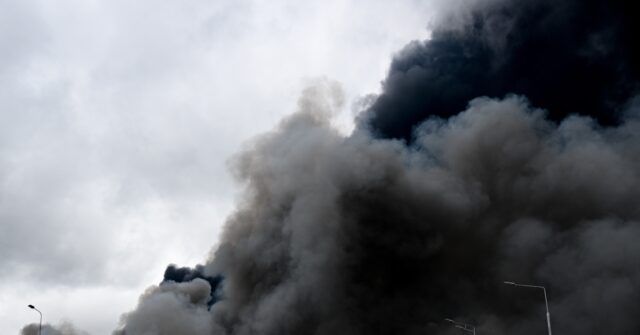
Russian officials disputed the damage claims initially, then acknowledged partial strikes. Independent satellite imagery confirmed fire and structural damage at multiple facilities. The economic impact affected domestic fuel prices and military supply chains simultaneously.
This conflict stretched across 4.5 years with no decisive military victory. Instead, both sides targeted economic and infrastructure targets alongside conventional battlefield operations. Energy security became a warfare frontline.
DownRange Bottom Line
Ukraine's refinery strikes demonstrate how modern conflicts bypass traditional military lines. Precision weapons in fewer hands outperformed massive conventional forces. Russia's advantages in troop numbers meant nothing against effective long-range strikes.
For gun owners, the lesson cuts clear: capability beats quantity. A smaller, better-trained, better-equipped force achieves results larger forces cannot. That principle applies whether discussing military strategy or individual preparedness.
The strikes also show why energy independence matters strategically. Concentrated infrastructure creates vulnerabilities. Distributed, resilient systems survive attacks better than centralized production. Countries and individuals alike benefit from decentralized supply chains.
Ukraine's success wasn't inevitable. It required Western military support, effective intelligence, accurate targeting, and pilot training. Professional execution mattered more than hardware alone. Gun owners should apply that standard to their own preparedness—training and practice trump equipment purchases every time.
Watch this conflict's evolution. The tactics employed today shape military doctrine tomorrow. Precision strikes on infrastructure, drone warfare, and asymmetric strategies define 21st-century conflicts. Understanding these principles helps informed citizens grasp why certain defensive capabilities matter.