Supreme Court May Decide: Does One Felony Mean Lifetime Gun Ban?
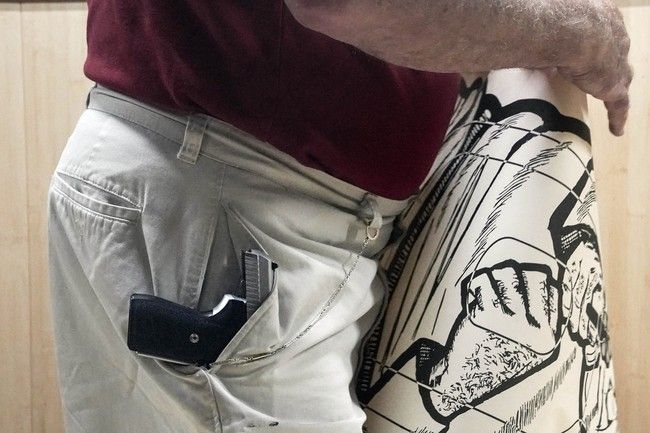
The Supreme Court has a major Second Amendment question still waiting for an answer: whether a single felony conviction—regardless of whether it involved violence—justifies permanent loss of gun rights. The justices have not yet taken a case directly addressing this issue, but the opportunity may arrive soon. Modern Second Amendment precedent, particularly New York State Rifle & Pistol Association v. Bruen, left this threshold undefined, creating legal ambiguity for millions of Americans with prior felony convictions.
Key Details
- The gap: Heller and Bruen affirmed an individual's right to possess firearms for lawful purposes but did not clarify whether all felonies or only violent ones justify permanent disqualification.
- Current law: Federal statute 18 U.S.C. § 922(g) prohibits anyone convicted of a felony from possessing firearms, with no distinction between violent and non-violent offenses.
- Pending resolution: Lower courts have split on whether courts can apply historical analogues (like 18th-century disqualification laws) to modern felony categories, especially non-violent ones.
Why It Matters for Gun Owners
This case will determine whether millions of Americans with prior non-violent felonies have any path back to Second Amendment rights. A person convicted of fraud, tax evasion, or drug possession faces the same lifetime firearm ban as someone convicted of assault or murder. Gun owners should track whether the Court narrows disqualification to violent felonies or upholds blanket prohibition. Some states already allow restoration for non-violent offenders; others do not. The Court's ruling could either expand those pathways nationally or cement the existing standard. For advocates and those with prior records, the distinction between violent and non-violent felonies will become the central legal battleground.
DownRange Analysis
Bruen's historical test creates real vulnerability here. The Court will likely demand historical evidence that 18th-century disqualification laws applied to all felonies or only violent ones. That evidence may not exist clearly enough to satisfy the current majority. A narrow ruling—restricting permanent bans to violent felonies—would survive scrutiny and align with Bruen's textual originalism. A broad ruling upholding lifetime bans for all felonies faces tougher justification under modern precedent. Gun owners and restoration advocates should prepare arguments grounded in historical practice, not policy. The outcome will reshape federal felony-in-possession prosecutions and state restoration laws.