Federal Courts Reject Insurance Claims for Ghost Gun Component Sellers
Two firearms retailers lost federal court rulings denying insurance coverage for product liability lawsuits tied to unfinished frame and receiver sales. Insurers successfully argued that ghost gun components fall outside policy protection language. The decision forces retailers to pay litigation costs directly from operating capital—a financial blow that could eliminate smaller dealers from the market entirely.
Courts sided with insurance companies on coverage denial. Underwriters claimed existing policy terms excluded claims related to incomplete firearm parts. Neither retailer recovered legal defense funding. The precedent now stands: product liability policies do not automatically cover ghost gun component sales.
Why It Matters for Gun Owners
This ruling reshapes the economics of unfinished parts retail. Retailers absorbing six-figure legal defense costs must raise prices or exit the business. Smaller dealers lack capital reserves to survive extended litigation without insurance backing. Larger retailers will dominate the market by default.
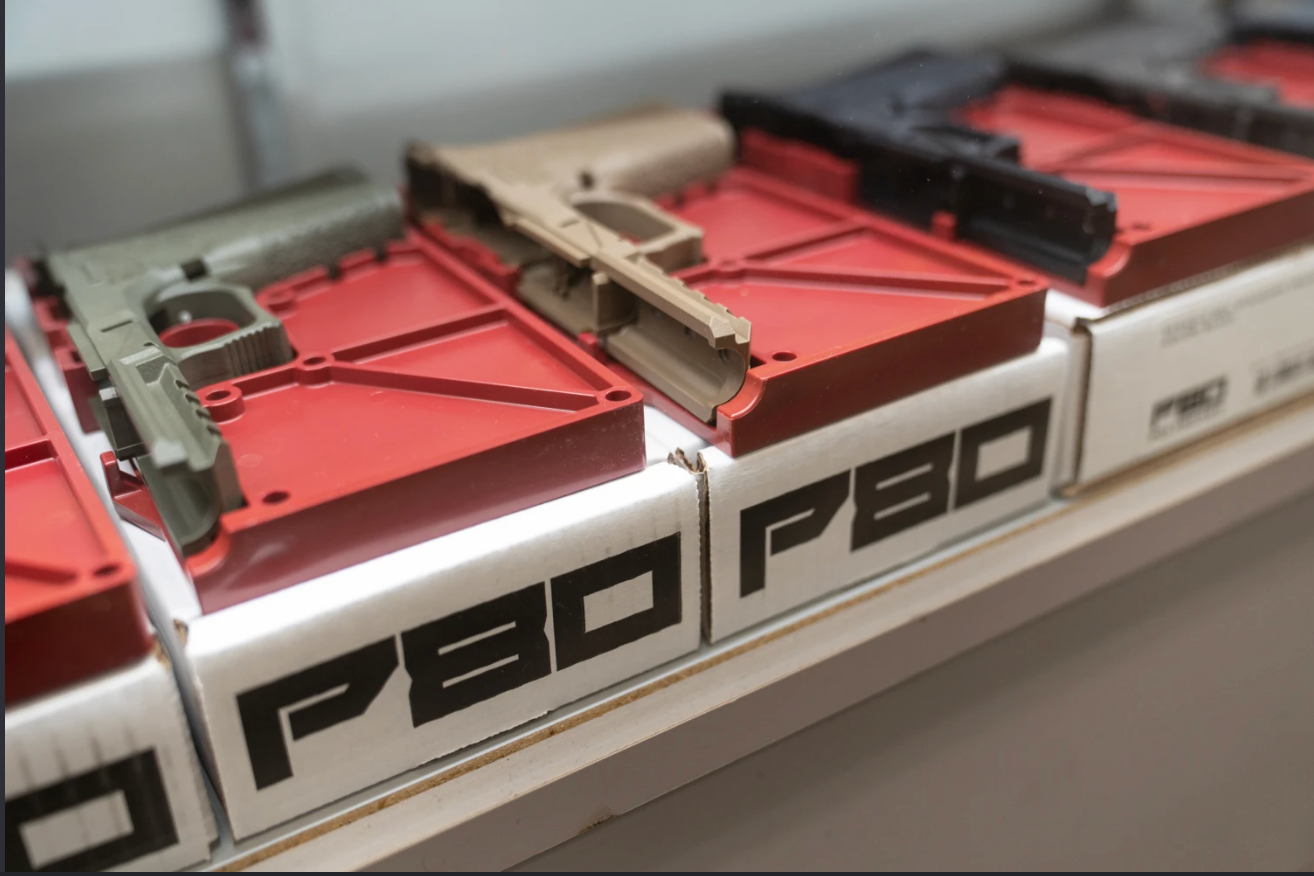
Fewer vendors means reduced availability and higher prices for 80% frames, stripped receivers, and serialization kits. Gun owners shopping for these components should expect supply tightening within months. States with anti-gun legislatures will weaponize this ruling to justify outright bans, knowing retailers cannot afford defense efforts without insurance.
The decision also signals underwriter strategy: deny coverage now, avoid future liability exposure. Insurance companies read political winds accurately. They predict courts or legislatures will classify unfinished parts as complete firearms or defective products. Preemptive denial protects insurer assets before regulatory definitions shift.
Gun owners who rely on unfinished parts for privacy and cost savings face shrinking options. Retailers contemplating this market segment will think twice. Insurance denial removes a critical risk buffer that once made the business viable for mid-size operators.
Background: The Insurance Defense Collapse
Product liability insurance typically covers manufacturers and retailers against claims that products caused injury or damage. Standard policies require insurers to defend policyholders in court, even for frivolous suits. The defense obligation alone costs tens of thousands monthly once litigation begins.
These two retailers expected standard coverage. Their policies contained product liability language. They filed claims when lawsuits arrived. Insurers refused and filed declaratory judgment actions in federal court seeking rulings that coverage did not apply.
Federal judges sided with the insurers entirely. The courts found policy exclusions valid. Language specifically carved out certain products or activities. Ghost gun components either fell into excluded categories or insurers successfully argued reasonable interpretation of ambiguous terms favored denial.
Insurance companies learned a lesson after years of firearms industry disputes: write policies excluding unfinished parts explicitly. Once new policies roll out with clear exclusions, retailers cannot argue good faith coverage expectations. The market bifurcates—only retailers with massive capital reserves survive.
DownRange Bottom Line
Insurance denial devastates retailers operating on typical margins. Litigation defense costs $200,000 to $500,000 annually during active lawsuits. Most mid-size dealers gross $500,000 to $2 million yearly. Uninsured legal expenses consume profits or create losses outright.
Gun owners should expect this market segment to shrink significantly. Surviving retailers will raise prices 20-40% to compensate for uninsured risk. Availability drops as marginal players exit. States hostile to unfinished parts will cite insurer behavior as proof that manufacturers and retailers cannot control liability—justifying legislative bans.
Buy unfinished parts now if you use them. Supply and pricing will worsen. Insurance denial marks the start of retailer consolidation and market contraction in this sector.