Why I Love .32 ACP
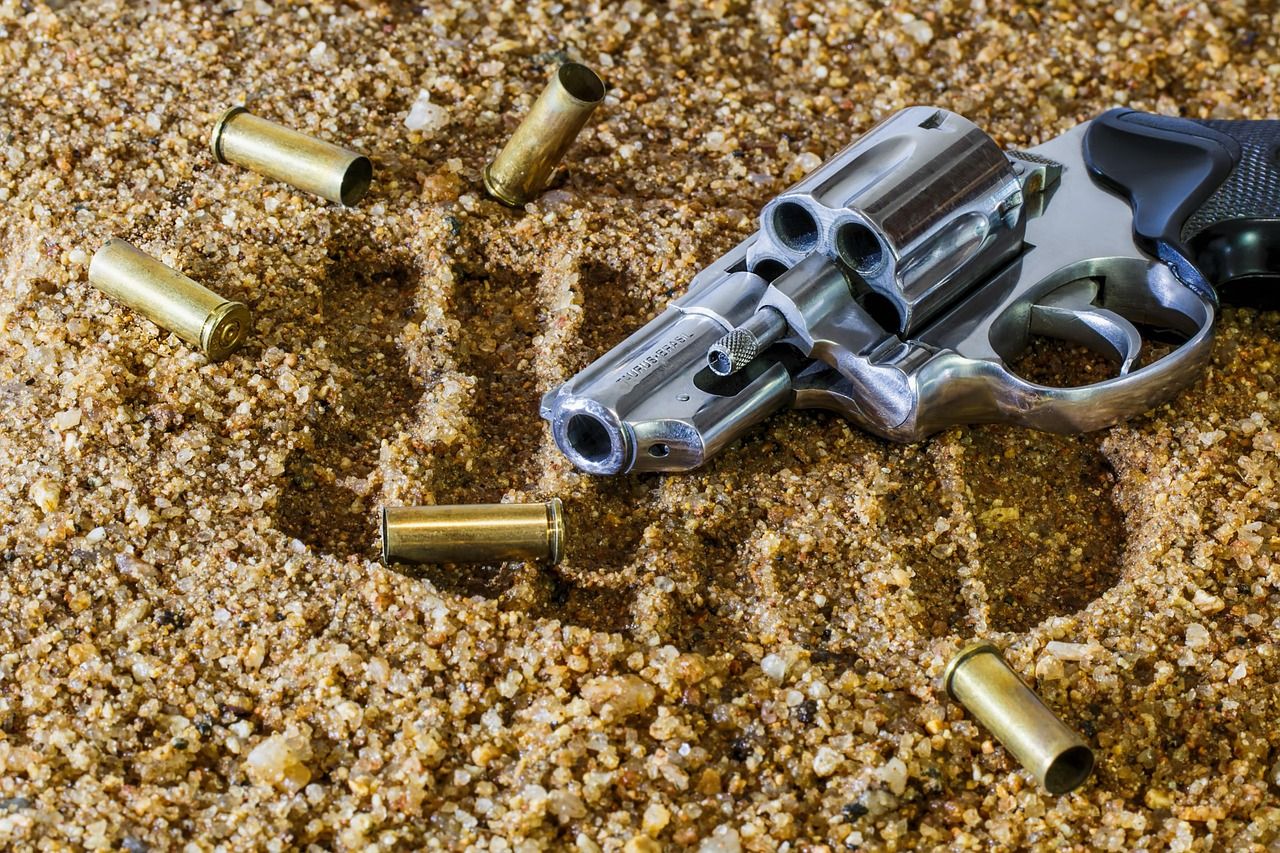
The .32 ACP gets no respect in today's gun world. Modern shooters dismiss it as underpowered, outdated, and inadequate for self-defense. They're missing the point entirely. The .32 ACP isn't about raw power—it's about precision engineering, historical significance, and pure shooting pleasure. This cartridge, developed by John Moses Browning in 1899, powered some of the finest pistols ever manufactured. From the Walther PP and PPK to the Colt 1903 Pocket Hammerless, the .32 ACP earned its place through reliability and accuracy. European police forces carried .32 ACP pistols for decades. Intelligence agencies favored them for covert operations. James Bond carried a .32 ACP Walther PPK in Ian Fleming's original novels. The cartridge works.
Background and Context
Browning designed the .32 ACP for his FN Model 1900 pistol, creating the first successful automatic pistol cartridge. The round fires a 71-grain bullet at roughly 900 feet per second, generating about 130 foot-pounds of energy. These numbers look weak compared to modern defensive rounds, but they tell only part of the story. The .32 ACP excels in small, refined pistols where larger cartridges create excessive recoil and mechanical stress. Walther's PP series, introduced in 1929, became the gold standard for police pistols across Europe. The German police adopted the Walther PP in .32 ACP as their standard sidearm. Colt's 1903 and 1908 Pocket Hammerless pistols dominated the American concealed carry market for three decades. These weren't cheap guns—they represented premium engineering and manufacturing quality that modern pistols rarely match.
What This Means for Gun Owners
Today's gun owners can still find excellent .32 ACP pistols, though prices reflect their collectible status. Original Walther PP and PPK pistols command $800 to $2,000 depending on condition and provenance. Colt Pocket Hammerless pistols sell for $600 to $1,500. These aren't range beaters—they're precision instruments that reward careful shooting technique. The .32 ACP forces you to focus on shot placement rather than relying on raw power. Recoil is minimal, allowing rapid follow-up shots. Accuracy potential exceeds most shooter's abilities. Modern defensive ammunition like Hornady Critical Defense improves terminal performance significantly over ball ammunition. For those who appreciate mechanical excellence and shooting history, few cartridges offer the .32 ACP's combination of refinement and heritage. The round teaches fundamental marksmanship skills that transfer to any platform.
Industry Impact
Modern manufacturers largely abandoned the .32 ACP market, focusing on higher-capacity 9mm and .380 ACP pistols. Beretta still produces the 3032 Tomcat, a tip-up barrel design that eliminates slide racking difficulties. Kel-Tec offers the P-32, prioritizing ultra-compact dimensions over refinement. Ammunition remains available from major manufacturers including Federal, Winchester, and Hornady. Prices run $25 to $35 per 50-round box for quality defensive loads. The collector market drives most .32 ACP interest today. Original German Walthers and American Colts appreciate faster than most firearms investments. This creates a self-reinforcing cycle where fewer people shoot .32 ACP regularly, reducing demand for new production pistols. European manufacturers like Bersa continue limited .32 ACP production for international markets where the cartridge retains police and civilian popularity.
What to Watch Next
The .32 ACP will likely remain a niche cartridge supported primarily by collector interest and remaining inventory of classic pistols. Rising ammunition costs may push casual shooters toward more common calibers. However, the round's inherent accuracy and mild recoil ensure continued appeal among precision shooting enthusiasts. Watch for increased interest in vintage firearms as new shooters discover the mechanical quality of pre-war American and German manufacturing. Estate sales and gun shows still yield occasional bargains on .32 ACP pistols. Smart buyers focus on original condition examples with strong mechanical function. The ammunition supply remains stable, though expect prices to track inflation. European surplus occasionally provides affordable practice ammunition. Handloading offers cost savings and performance tuning opportunities for dedicated .32 ACP shooters.
DownRange Bottom Line: The .32 ACP represents everything modern gun culture has lost—precision engineering, mechanical refinement, and respect for marksmanship fundamentals. Don't let the ballistics snobs fool you into thinking bigger always means better.