Missouri Files Federal Suit Challenging NFA Suppressor and SBR Restrictions
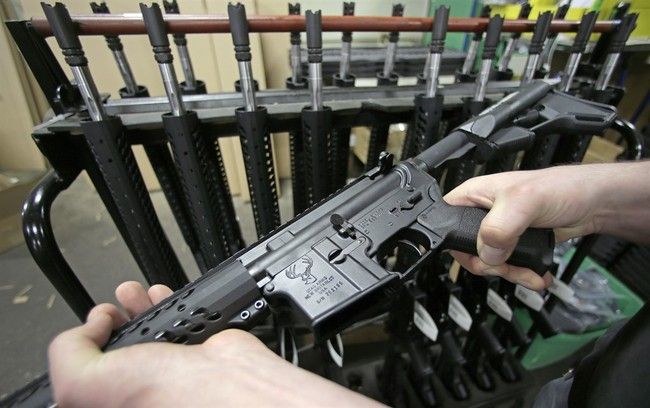
Missouri Attorney General Catherine Hanaway filed suit against the ATF in September 2026, directly challenging National Firearms Act provisions regulating suppressors and short-barreled rifles. Jefferson County Sheriff Dave Marshak joined as individual plaintiff. The lawsuit argues these 1934-era restrictions violate Second Amendment protections under current constitutional scrutiny established by New York State Rifle & Pistol Association v. Bruen.
The suit targets specific NFA barriers: the $200 tax stamp, registration requirements, and months-long approval timelines for suppressors and SBRs. Missouri's legal theory contends these restrictions lack historical foundation consistent with the Second Amendment's text and original public meaning. This marks the first state-level direct assault on core NFA provisions since Bruen reshaped Second Amendment litigation standards.
Why It Matters for Gun Owners
Suppressors and SBRs remain among the most regulated firearms categories in America. Current owners must navigate federal registration, pay $200 per item, and accept 90-180 day processing delays. Ownership without proper registration constitutes a federal felony. This case directly impacts any shooter considering hearing protection or compact rifle platforms.
A successful ruling eliminates tax stamps and registration entirely, moving suppressors and SBRs into standard firearm territory overnight. Suppressors—essential hearing protection tools—would become accessible without federal gatekeeping. SBRs used for home defense, hunting, and sport shooting would face no special restrictions. For daily carriers, this means faster acquisition of shorter barreled rifles better suited to confined spaces than 16-inch barrels.
Missouri residents currently face felony exposure for possessing unregistered suppressors or SBRs. An adverse ruling leaves that reality unchanged. A favorable decision creates federal-level precedent other circuits must follow, potentially triggering legislative response or broader court challenges to NFA provisions governing firearms classified as "Any Other Weapons."
This lawsuit also signals state-level willingness to litigate Second Amendment boundaries aggressively post-Bruen. If Missouri succeeds, expect other states to challenge state-specific NFA-adjacent restrictions, multiplying legal pressure on federal firearms regulation frameworks.
Background: NFA History and Bruen's Impact
The National Firearms Act passed in 1934, targeting gangster-era weapons including machine guns, suppressors, and short-barreled shotguns. Tax stamps and registration became primary control mechanisms. For nearly 90 years, courts upheld NFA restrictions against constitutional challenge, treating them as settled law.
Bruen changed that equation in June 2022. The Supreme Court ruled that Second Amendment protections extend beyond historical precedent when laws lack historical tradition or didn't exist historically. This standard directly threatens NFA regulations: modern suppressors didn't exist in 1791, and historical regulation provides weak foundation under Bruen's framework.
Missouri's suit applies Bruen's logic directly to federal law. Hanaway argues suppressors and SBRs enjoy Second Amendment protection despite NFA restrictions. The legal theory rests on text and history, not policy arguments about public safety or noise reduction.
DownRange Bottom Line
This lawsuit represents genuine constitutional litigation, not symbolic posturing. Missouri backs claims with specific legal theory grounded in Bruen precedent. Success requires proving NFA suppressor and SBR restrictions lack historical pedigree consistent with the Second Amendment.
Expect multi-year litigation through district court, appeals, and potentially Supreme Court review. Gun owners should monitor rulings closely—favorable decisions at any level could trigger similar challenges nationwide. Meanwhile, federal law remains unchanged. Suppressors and SBRs require tax stamps and registration until courts rule otherwise.
This case matters because it tests whether Bruen's framework actually constrains federal firearms law or merely applies to state regulations. Missouri's willingness to fight suggests states see genuine constitutional vulnerability in NFA provisions courts previously treated as untouchable.