
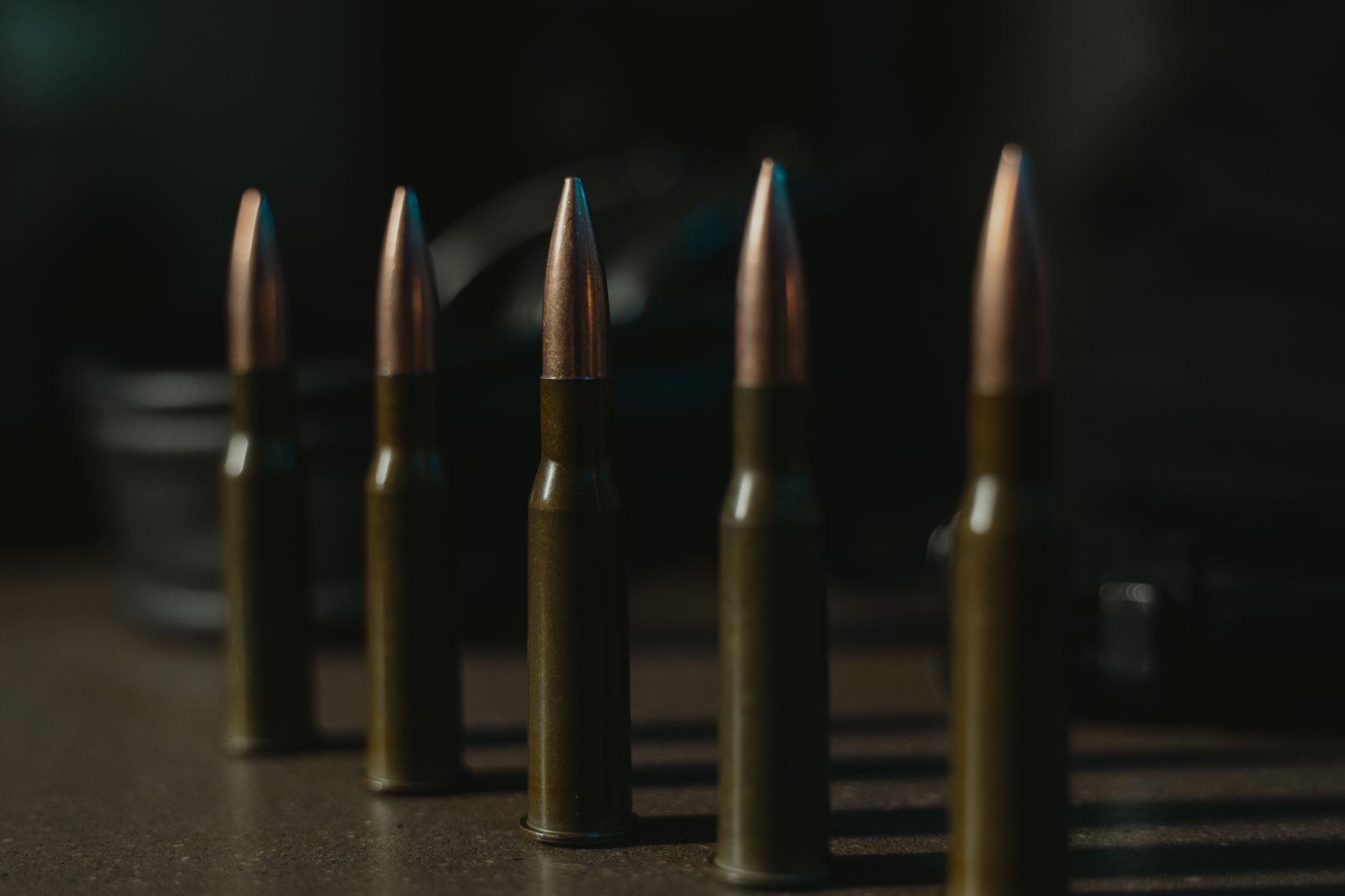

Ammunition prices hit their highest point in two years last month. I've been tracking wholesale costs since the tariff expansion in March, and the math is getting ugly for anyone shooting centerfire rifle rounds. This isn't speculation—it's what I'm seeing at my suppliers and what you're paying at the counter.
What Actually Changed With Tariffs
The 25% tariff on ammunition components that went into effect March 15 did exactly what tariffs do: it rippled backward through the supply chain. Brass casings, which come primarily from Asia and Europe, saw the biggest immediate hit. A box of federal brass 5.56 that wholesaled at $8.50 in February was $11.20 by April. Primer costs went up roughly 18%—less dramatic but still real when you're buying in volume.
What surprised me was the uneven impact. Steel-cased ammo from domestic manufacturers actually held steady in price for about six weeks because they had existing inventory and lower input costs. Then their suppliers started raising prices on raw materials, and those gains evaporated. By August, the price difference between quality brass-cased and steel-cased 7.62x39 was maybe 2 cents per round—used to be 5 cents.
Import ammunition—Tula, Wolf, Federal manufactured overseas—got hit hardest. A 1000-round case of Wolf 9mm was $310 in January. It's $389 now. That's a 25% increase that mirrors the tariff rate almost exactly. Smaller ammunition manufacturers who rely on imported components have been passing costs through faster than bigger players because they can't absorb margin compression.
Which Calibers Took the Biggest Hit
Not all rounds suffered equally. This matters because it affects which calibers are worth buying in bulk right now.
- 5.56 NATO — Up 19% year-to-date. This was already expensive. Good brass-cased 5.56 is now $0.58-$0.62 per round when you buy 1000 rounds. If you shoot this, buy now.
- 308 Winchester — Up 22%. Tariffs hit this category harder because imported ammunition (especially European) was cheaper pre-tariff. Now it's nearly price-parity with domestic Lake City brass. Budget $0.88-$1.05 per round depending on bullet weight.
- 9mm Luger — Up 13%. This is the caliber that held up best. Domestic manufacturers have enough capacity that they've eaten some of the cost increases. Still, bulk prices are $0.16-$0.19 per round for decent stuff. Steel-cased is $0.14-$0.16.
- 7.62x39 — Up 28%. This got crushed because almost all of it came from Russia or countries using Russian component suppliers. Tariff policy specifically targeted these sources. You're paying $0.25-$0.30 per round now, even for steel-cased Tula.
- 44 Magnum and other revolver rounds — Up 31%. Low volume means fixed costs spread thin. Less competition domestically. Hard to justify stocking unless this is your actual carry gun or hunting load.
- 22 LR — Barely moved, up 4%. Domestic production capacity is massive, component costs are lower. This is still the training round of choice.
The pattern is clear: anything Russia-related or low-volume got hammered. Anything domestically produced in volume held better. This affects your buying strategy immediately.
Bulk Buying Strategy for September 2026
I'm not going to tell you to panic buy. That's not my style. But I will tell you what the data shows about pricing trajectory and forward supply.
Prices peaked in mid-August and have stabilized slightly since then. Ammunition manufacturers are pulling through increased costs and not raising prices further—they're protecting market share. This is actually the best window we'll see for the rest of 2026. Fourth quarter typically sees higher demand and tighter inventory, which means pricing leverage shifts back to sellers.
If you're going to buy in bulk, focus on what you actually shoot regularly. Here's how I think about it:
- 9mm: Buy 2000-3000 rounds if you carry or train regularly. At $0.17 per round in bulk, you're buying at a reasonable price. This will be your workhorse round for the next few years.
- 5.56 NATO: If you own an AR-15, buy 1000 rounds minimum. This is your highest risk caliber for further price increases. Supply could tighten if geopolitical issues escalate. Federal and Lake City production is steady, but margins are thin.
- 308 Winchester: Buy 500 rounds. This is expensive enough that bulk discipline matters. Quality brass is worth preserving. You'll reload this eventually if you're serious.
- 7.62x39: Skip large quantities unless you shoot this regularly. The tariff damage is done. Prices may come down 5-8% in Q1 2027 if tariff policy shifts. Storage isn't worth the squeeze.
- 22 LR: Always buy when you see it reasonably priced. This is infinite-shelf-life inventory. No downside.
Where to buy: I check CheaperThanDirt, Brownells, and LuckyGunner for baseline pricing. CheaperThanDirt usually beats the others by 2-3%, but their shipping sucks. Brownells runs constant sales and their customer service is reliable. LuckyGunner price-matches and has reasonable flat-rate shipping. Don't order from single-box retailers unless you're desperate—shipping eats any savings.
What's Coming in Q4 and 2027
Tariff policy is under review. If the administration backs down on ammunition components even partially, we could see 8-12% price decreases by spring 2027. That would bring 5.56 down to $0.50 per round and 9mm to $0.15. It's possible but not guaranteed.
Domestic ammunition production is ramping. Remington, Federal, and Winchester have all increased output to capture the market share that expensive imported rounds are losing. This should provide price stability and eventual decreases in high-volume calibers (9mm, 5.56) by mid-2027.
Military spending on 5.56 and 308 remains consistent, which keeps those suppliers busy but also means they won't dramatically undercut civilian prices. Don't expect bargain basement pricing on precision rifle rounds anytime soon.
The Reality Check
Ammunition is expensive right now because of policy decisions that were made, not because manufacturers are gouging. I've talked to enough distributors to know their margins haven't expanded—they've shrunk. This is tariffs working as tariffs do: making imported goods more expensive and giving domestic producers breathing room to raise prices too because the baseline just moved higher.
The smart play is buying what you shoot in quantities that make sense for your usage pattern and storage capacity. Don't buy 5000 rounds of something you shoot twice a year just because it's the best per-round price. Storage, humidity control, and the opportunity cost of capital matter.
Buy 9mm and 22 LR aggressively. Buy 5.56 and 308 deliberately. Skip the niche stuff unless it's your primary round. Check prices monthly—the market is still adjusting and spot deals exist if you watch.
DownRange Bottom Line: Tariffs made 7.62x39 expensive, kept 9mm relatively sane, and priced out casual shooters from centerfire rifle ammunition. If you shoot 5.56 or 308, buy bulk now—prices are stable and could move higher before they move lower. 9mm and 22 LR are less urgent but still reasonable. Q1 2027 might bring tariff relief and better pricing, so don't overextend yourself right now. Buy what you'll actually use, watch the numbers, and understand that September 2026 is decent but not desperate pricing.